Best Reversal Ring for Macro Photography: Affordable Ways to Magnify Your Lenses
Running your existing lenses in reverse can unlock remarkable macro capabilities without buying specialized glass. Reversal rings attach a lens in reverse to your camera body, turning ordinary optics into powerful macro tools. This guide highlights five reliable reversal rings that fit common filter threads and camera mounts, helping you explore extreme close-ups with control and affordability. Each entry includes key features, usage notes, and how it pairs with typical shooting setups for macro photography enthusiasts and hobbyists alike.
| Product | Brand | Filter Thread | Camera Compatibility |
|---|---|---|---|
| Fotodiox Macro Reverse Ring (55mm) | Fotodiox | 55 mm | Various Canon/Nikon/Sony bodies with standard reversed-mount use |
| Fotodiox 52mm-52mm Macro Close-up Reverse Ring | Fotodiox | 52 mm | Multiple brands via 52 mm threads |
| AMOPOFO 49mm Macro Ring (49 mm) | AMOPOFO | 49 mm | Canon EF-S/Canon DSLR bodies with 49 mm threads |
| AMOPOFO 58mm to NEX Macro Reverse Ring | AMOPOFO | 58 mm | Sony E-mount cameras |
| PROfezzion 58mm Macro Reverse Ring | PROfezzion | 58 mm | Canon/Nikon/Sony with 58 mm threads |
Fotodiox Macro Reverse Ring for 55mm Threads
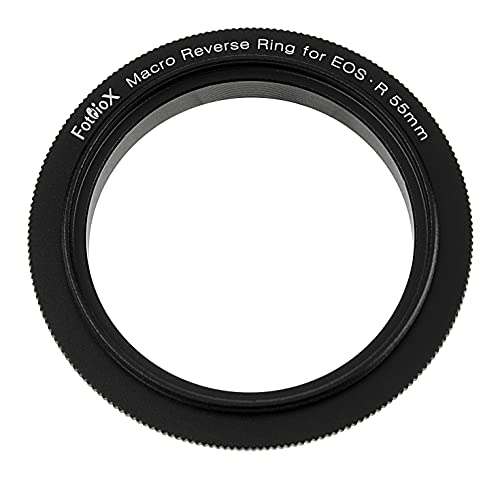
The Fotodiox 55 mm reversal ring is an all-metal, precision-threaded solution that attaches a 55 mm lens filter thread to a compatible camera body in reverse. This design preserves image quality by avoiding an optical element in the path while delivering sturdy mounting with a smooth surface for easy attachment and removal. The 0.75 pitch threads provide a reliable grip and quick setup, making it a cost-effective entry into macro work without adding bulk or weight to the lens system. Ideal for experimenting with micro-subjects close to the lens plane.
Fotodiox 52mm – 52mm Macro Close-up Reverse Ring

This all-metal reverse ring covers a 52 mm filter thread with a precise 0.75 pitch, designed for quick macro setup across lenses with matching threads. Its robust construction supports repeated mounting cycles while maintaining alignment with the camera mount. The result is a lightweight, affordable option that enables magnified close-ups with minimal loss of optical quality. Compatible with a wide range of camera bodies via standard 52 mm threads, making it a versatile choice for macro experiments and learning the basics of reverse-mount macro photography.
AMOPOFO 49mm Macro Ring for Canon EF-S and More
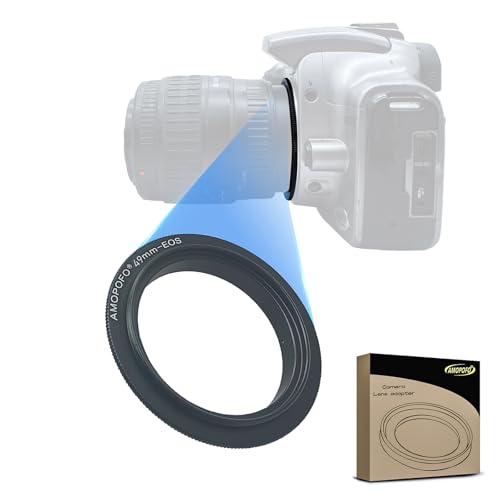
The 49 mm AMOPOFO reverse ring is an affordable option designed for Canon EF-S and similar bodies with 49 mm filter threads. The setup process involves mounting the ring to the camera body, then attaching and tightening the reversed lens via its filter thread. This configuration converts the lens into a macro viewer with high magnification potential, while the all-metal construction ensures durability and consistent performance during macro sessions. Suitable for experimental close-ups of small subjects and intricate textures.
AMOPOFO 58mm to NEX Macro Reverse Ring

This 58 mm to Sony NEX macro reverse ring lets you mount a lens with a 58 mm filter thread in reverse onto a Sony E-mount body. The aluminum alloy housing provides durability and smooth operation, with coatings designed to resist corrosion and wear. It enables high magnification for macro subjects while maintaining ease of use across different camera platforms. The design emphasizes secure attachment to the lens and straightforward removal when macro sessions end.
PROfezzion 58mm Macro Reverse Ring
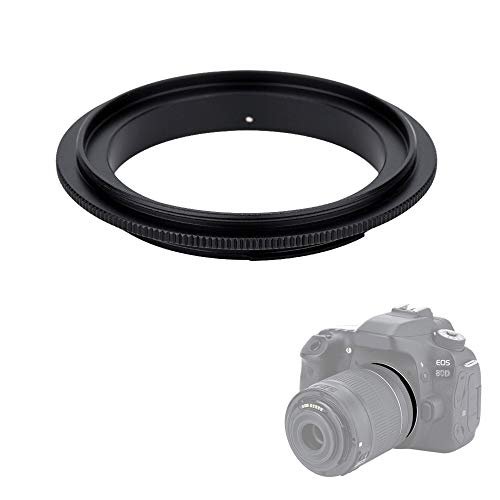
The PROfezzion 58 mm macro reverse ring is built from aluminum and designed to mount a reversed lens with an 58 mm filter thread onto Canon, Nikon, and Sony bodies. The combination enables macro magnification suitable for small subjects, with a focus on preserving optical clarity by avoiding extra lens elements. It is positioned as a budget-friendly entry into reverse-mount macro photography, offering straightforward setup and reliable performance for basic macro experimentation and learning.
Buying Guide: Key Purchase Considerations
What to consider when choosing a reversal ring for macro work:
- Thread compatibility: Match the ring’s filter thread to your lens. Common options include 49 mm, 52 mm, 55 mm, and 58 mm. Using the correct size avoids adapters and vignetting.
- Build quality: All-metal rings with smooth surfaces resist wear and provide stable mounting. A rigid connection minimizes play during focusing and compositing.
- Pitch and threading: A 0.75 pitch is common and balances ease of use with secure threading. Finer pitches improve grip but may be harder to remove.
- Camera compatibility: Reversal rings are generally lens-agnostic but must match the lens’ filter thread and the camera’s mount design to work effectively in reverse.
- Magnification control: Reverse-mount macro setups rely on working distance and subject size. Shorter focal lengths (e.g., 50–60 mm) can offer stronger magnification under reverse operation, while longer lenses may require closer subject distance.
- Practicality and workflow: Some setups include additional rings or dual-purpose designs (e.g., compatibility with multiple brands). Consider your typical subjects and workspace when choosing.
In practice, reversal rings provide an economical path to macro capabilities by converting existing lenses into high-midelity magnifiers. They’re especially suitable for close-up work on small subjects such as insects, textures, and jewelry, where shallow depth of field can accentuate detail. Pairing a reversal ring with steady hands or a tripod can yield more consistent results, while certain subjects benefit from controlled lighting—an area where ring lights or external LEDs can complement a reverse setup.