Best Mirrorless Cameras for Wildlife Photography
Answering your wildlife photography needs starts with fast autofocus, reliable performance in varying light, and versatile lens options. The following five mirrorless cameras—from Canon and Sony—are selected for wildlife enthusiasts who demand speed, reach, and image quality. Each option targets different budgets and shooting styles, helping you pick the right tool for action-filled safaris, bird photography in the backyard, or long-distance wildlife encores. The summary table below highlights each product’s strengths and ideal user.
| Product | Best For | Key Strength |
|---|---|---|
| Canon EOS R50 Kit | Action-focused shooters | 651 AF zones with deep learning subject detection |
| Canon EOS R100 Kit | Beginner wildlife shooters | Compact, affordable entry to 4K and interchangeable lenses |
| Canon EOS R10 Kit | Hybrid creators and travelers | High-speed 4K video and versatile zoom kit |
| Sony Alpha a6400 | Fast-action birds and wildlife | Real-time Eye AF and strong low-light performance |
| Canon EOS RP Kit | Compact full-frame wildlife | Full-frame advantage in a lightweight body |
Canon EOS R50 Mirrorless Camera Kit

The Canon EOS R50 with RF-S18-45mm F4.5-6.3 lens kit offers a 24.2 MP APS-C sensor and the DIGIC X processor for sharp detail. This kit supports high-speed shooting and advanced autofocus suitable for wildlife action. It’s best for photographers who want a balance of portability and modern AF for tracking animals.
- Best for: Enthusiasts needing solid autofocus and 4K video in a compact system.
- Why selected: Dual Pixel CMOS AF II covers a broad area with subject detection, aiding in animal tracking.
- Caution: The included kit lens is compact; consider longer focal options for distant wildlife.
Canon EOS R100 With RF-S Lens Kit

The Canon EOS R100 kit delivers a compact entry point with a 24.1 MP APS-C sensor and 4K video capability. It’s a strong choice for beginners or shooters who prioritize mobility in the field and an affordable way to start exploring wildlife photography with interchangeable lenses.
- Best for: New wildlife photographers seeking a lightweight setup with capable image quality.
- Why selected: Efficient DIGIC 8 processor enhances shooting comfort and 4K video options.
- Caution: Entry-level AF performance may lag behind higher-end or more specialized wildlife modes in very rapid action scenes.
Canon EOS R10 Kit

The Canon EOS R10 kit combines a 24.2 MP APS-C sensor with versatile zoom options, including an 18-150mm lens. It features 4K oversampled video up to 60p and strong autofocus, making it a practical choice for wildlife photographers who also want reliable video features for the field.
- Best for: Hybrid shooters who need a balanced model for both stills and video.
- Why selected: The 18-150mm reach helps cover wide landscapes and closer subjects without changing lenses frequently.
- Caution: Heavier than compact systems; consider strap and fatigue for long treks.
Sony Alpha a6400
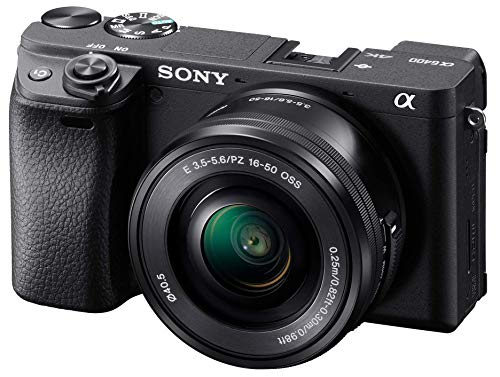
The Sony a6400 features a 24.2 MP APS-C sensor with fast real-time Eye AF and 11 fps shooting. Its autofocus performance is well-suited for birds in flight and other unpredictable wildlife actions, while its compact body makes it a practical option for fieldwork.
- Best for: Wildlife shooters who need reliable AF tracking and mobility.
- Why selected: Real-time Eye AF aids in keeping fast-moving animals in focus, even in challenging light.
- Caution: Lens options can influence overall system weight and reach; plan lens choices accordingly.
Canon EOS RP Kit

The Canon EOS RP kit offers a full-frame alternative with a lighter body for wildlife enthusiasts who prefer a wider sensor field. The RF 24-105mm lens provides a versatile zoom range and stabilized performance for handheld shooting in variable light.
- Best for: Wildlife photographers who want the look and depth of a full-frame sensor in a portable package.
- Why selected: Wide focal range supports landscapes and distant subjects with flexibility in the field.
- Caution: Full-frame systems can be heavier and more expensive in the long run; budget for lenses accordingly.
Buying Guide
Key considerations for wildlife-focused mirrorless cameras help you compare models effectively.
- Autofocus performance: Look for fast, accurate subject detection for animals and birds. Deep learning subject recognition helps track wildlife in motion.
- Sensor size and crop factor: APS-C sensors offer good reach with telephotos and typically lighter bodies; full-frame sensors provide better background blur and low-light performance at a price.
- Lens ecosystem: Ensure a selection of telephoto and zoom lenses is available to fit your wildlife subjects and travel plans.
- Video capabilities: If you record wildlife video, prioritize cameras with high-quality 4K and reliable autofocus in video mode.
- Portability vs. durability: Field conditions dictate whether you prioritize light weight or rugged build and weather sealing.
- Battery life and connectivity: Long battery life and easy data transfer help in remote wildlife shoots.
Practical buying questions
- Is an APS-C body sufficient for distant wildlife? Yes, with appropriate telephoto lenses, APS-C bodies can deliver excellent reach for birding and wildlife at a distance.
- Do I need full-frame for wildlife photography? Not necessarily. Full-frame offers some advantages in low light and depth of field, but APS-C cameras provide lighter setups and strong AF for most wildlife scenarios.
- How important is autofocus for birds in flight? Extremely important. Cameras with advanced animal detection and high frame rates help maintain sharpness during rapid wing movements.
- Should I prioritize compactness or weather sealing? Prioritize weather sealing if you shoot in rain, snow, or dusty environments; otherwise, portability may be more valuable for long field sessions.
FAQ
- What is the best starter wildlife camera? A compact mirrorless with good autofocus and a flexible kit lens is ideal for beginners transitioning to wildlife shooting.
- Which camera handles backlit scenes well? Cameras with good dynamic range and reliable AF perform better when subjects are backlit in forests or open skies.
- Do mirrorless cameras support high-speed wildlife action? Yes, many offer fast shooting modes (up to 11-15 fps) with electronic shutter options to reduce motion blur.
- Can I shoot both photos and videos effectively with these cameras? Yes, several models provide strong 4K video options alongside solid stills performance.
- How important is lens reach for wildlife? Very important. Telephoto and zoom lenses extend your ability to capture distant subjects without disturbing them.