Best Marine Image Stabilized Binoculars for Clear Ocean Viewing
These marine-oriented image-stabilized binoculars are designed to reduce shake and deliver steady views on the water, with rugged builds and reliable optics. The following selections span compact to high-mmagnification options, including models with advanced stabilization technologies and weather-ready coatings. This guide helps you compare features for birdwatching, boating, navigation, and marine sightseeing.
| Product | Brand | Magnification / Objective | Key Stabilization Tech |
|---|---|---|---|
| Canon 12×36 IS III | Canon | 12x / 36mm | Image Stabilization (IS) optical |
| SIG SAUER ZULU6 HDX PRO 18×50 | Sig Sauer | 18x / 50mm | OmniScan OIS stabilization |
| Canon 15×50 IS | Canon | 15x / 50mm | Optical Image Stabilizer |
| Canon 10×42 L IS WP | Canon | 10x / 42mm | Image Stabilization |
| Nikon 12×25 | Nikon | 12x / 25mm | Electronic Image Stabilization |
Note: The table highlights core stabilization features and typical usage scenarios. Always verify weather sealing, lens coatings, and viewing comfort when selecting marine optics for extended water outings.
Canon 12×36 Image Stabilization III Binoculars

These compact binoculars prioritize portability for on-deck use, birdwatching along the shoreline, and quick scanning during boat trips. The optics deliver stable images thanks to Canon’s image stabilization technology, paired with a 12x magnification for distant subjects. The design emphasizes a balance between grip comfort and performance, making them suitable for travel and marine environments where space is at a premium.
SIG SAUER ZULU6 HDX PRO 18×50 Binoculars
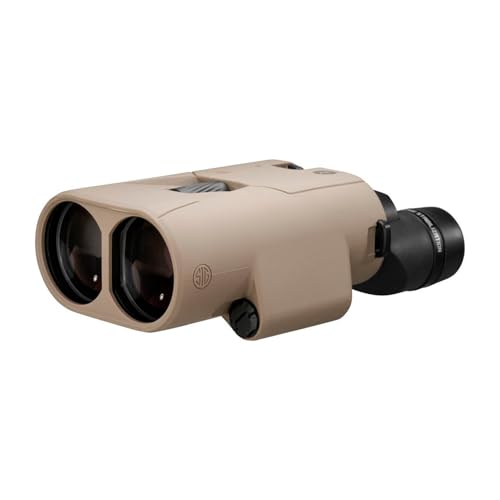
The ZULU6-HDX PRO line emphasizes powerful magnification with robust stabilization to maintain clarity in moving water and wind. OmniScan OIS provides adaptive stabilization, adjusting to movement and vibration to preserve a steady view. The HDX PRO lens system reduces glare, enhances light transmission, and sustains color accuracy, making them suitable for dawn or dusk marine observation and game spotting on the water.
Canon 4625A002 15×50 Is Binocular

This Canon model blends high magnification with Optical Image Stabilizer to compensate for hand shake and minor vibrations. The 15×50 configuration makes it suitable for identifying distant features at sea, such as buoys, ships, and wildlife, while maintaining a steadier image in challenging sea conditions. A practical option for boaters needing reliable zoom without a bulky chassis.
Canon 10×42 L IS WP Binoculars

Designed for all-weather use, these 10×42 L IS WP binoculars combine image stabilization with weather sealing. They are a strong choice for marine observers who need a balance of field of view, stability, and rugged build. The package often includes padded storage and a strap, enhancing on-deck comfort and transport between deck stations or shore excursions.
Nikon STABILIZED 12×25 Binoculars
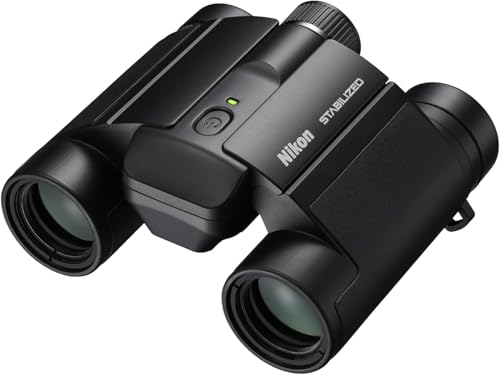
Nikon’s 12×25 stabilized binoculars are marketed for compact, travel-friendly use with electronic stabilization to maintain a steady view during handheld use. They deliver bright imagery through multicoated lenses and reflective prism coatings, supporting clear visibility from daylight into lower-light marine conditions. The slim design favors quick scanning and portability for anglers and seaside travelers.
Canon 10×30 Image Stabilization II Binoculars

These compact 10×30 binoculars emphasize portability with a strong IS system, ideal for travelers and maritime enthusiasts who want dependable stability without adding bulk. The 10x magnification is a practical middle ground for identifying distant markers while remaining comfortable during extended wear on deck.
Canon 18×50 Image Stabilization All-Weather Binoculars

Built for challenging marine conditions, these 18×50 binoculars offer high magnification with built-in stabilization. They’re designed to withstand weather exposure with rugged construction, and their extra-large objective lenses maximize light gathering for low-light dawn or dusk observation at sea, river mouths, or coastal waters.
Buying Guide
Key Considerations
- Stabilization technology: Determine whether Optical Image Stabilization (OIS), electronic stabilization, or advanced digital stabilization best fits your activity and typical sea conditions.
- Magnification and field of view: Higher magnification helps with long-distance viewing but can reduce stability and field of view. Choose a balance based on typical viewing distances and deck movement.
- Weather sealing and coatings: For marine use, weather resistance, waterproofing, and anti-glare coatings help withstand spray, salt, and sun exposure.
- Weight and ergonomics: Heavier models may cause fatigue on long voyages. Look for comfortable grips, strap options, and balanced weight distribution.
- Optical quality: Lens coatings and prism quality affect brightness, contrast, and color fidelity—important for identifying distant objects and wildlife.
- Maintenance and accessories: Consider included carrying cases, neck straps, and cleaning kits. Proper care extends optics life in salty environments.
- Budget vs. value: Marine-specific stabilization features often justify higher costs. Compare stabilization performance, build quality, and warranty coverage.
Comparative Perspectives
- Compact vs. high-magnification: For deck portability, compact models are easier to handle; for shore-based spotting or wildlife surveys, higher magnification may be advantageous.
- Stability in rough seas: Models with adaptive stabilization and robust coatings generally perform better in motion, but may carry heavier weights.
- All-weather durability: Weather-sealed and ruggedized units protect against salt spray and humidity, a key factor for long marine sessions.