Best DSLR Camera Memory Cards for Fast Stills and 4K Video
Protecting your photo and video work starts with reliable memory cards. This guide highlights top DSLR-compatible cards, comparing speeds, capacities, and durability so you can choose confidently for 4K UHD, class 10, and UHS-I workflows. Below, five standout options are examined, followed by a practical buying guide to help you pick the right card for your shooting style and gear.
| Product | Brand | Capacity | Key Feature |
|---|---|---|---|
| SanDisk 128GB Extreme PRO SDXC UHS-I | Sandisk | 128GB | Up to 200MB/s read, 90MB/s write; 4K UHD; QuickFlow |
| SanDisk 256GB Extreme SDXC UHS-I | Sandisk | 256GB | Up to 180MB/s read, 130MB/s write; 4K UHD; QuickFlow |
| GIGASTONE 128GB SD Card | Gigastone | 128GB | Up to 100 MB/s; 4K UHD compatible; durable case |
| SanDisk Ultra Plus 128GB SDXC | Sandisk | 128GB | Up to 140MB/s read; general-purpose; versatile |
| Gigastone 256GB SD Card | Gigastone | 256GB | Up to 100 MB/s; 4K UHD; included mini case |
Across these options, you’ll find a balance of high read/write speeds for quick offloads and robust capacities to handle long sessions. Consider your camera’s UHS-I interface, your typical shooting cadence, and whether you frequently work with 4K or Full HD footage. The table above gives a snapshot; the detailed sections below provide specific strengths and trade-offs for each card.
SanDisk Extreme PRO 128GB SD Card
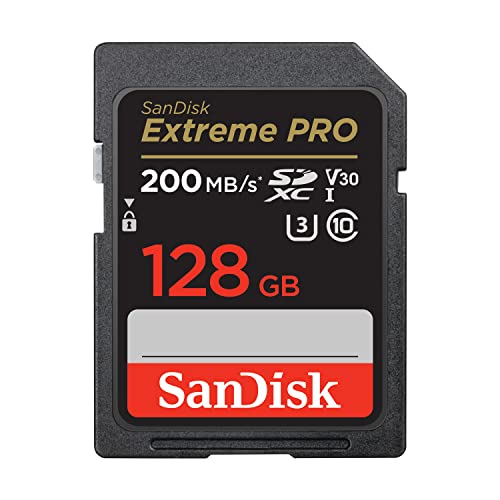
The SanDisk Extreme PRO 128GB SDXC card is designed for demanding DSLR workflows. It offers high sequential read speeds up to 200MB/s and write speeds up to 90MB/s, enabling rapid offloads from camera to card. The card leverages SanDisk QuickFlow Technology, which is optimized for compatible devices to maximize transfer performance. It is stated to support 4K UHD recording and is intended for photographers who need reliable, fast storage on location. As with all high-performance cards, actual speeds depend on host device compatibility and workflow conditions.
Key considerations include compatibility with SanDisk Professional PRO-READER accessories to achieve maximum speed, and the need for a host that can sustain high read/write bursts. The card is built to sustain prolonged capture sessions, but users should verify their camera’s SD interface and firmware to ensure optimal use of QuickFlow features.
SanDisk Extreme 256GB SDXC UHS-I Card

This 256GB model emphasizes speed and capacity for longer shoots. It lists offload speeds up to 180MB/s with SanDisk QuickFlow Technology, aiming to reduce downtime between shots and sessions. The card also promotes high-end write speeds up to 130MB/s, which helps when capturing fast action or 4K footage in bursts. As with other QuickFlow-enabled cards, users should pair it with compatible readers for peak performance. Durability and reliability are implied by the Extreme line, making it suitable for on-the-go photography and travel shoots.
Trade-offs to consider include the availability of QuickFlow only on select capacities and the need for a compatible host device to realize the full performance gains. If you frequently shoot high-bitrate 4K or rely on rapid card-to-computer transfers, this card is a solid option, provided your workflow supports its capabilities.
GIGASTONE 128GB SD Card (4K Pro)

The GIGASTONE 128GB SD Card targets DSLR users seeking reliable 4K compatibility and a compact carrying solution. It offers up to 100 MB/s data transfer speed, adequate for many 4K applications and stills capture. The card comes with a protective mini case, which can help safeguard the card during field use. For Canon and other DSLR bodies, the card provides dependable performance for standard 4K workflows, though extremely high-bitrate recording or rapid RAW bursts might benefit from higher-end options.
Considerations include whether you require extra durability or accessories (such as the included case), and whether your camera supports the card’s sustained writes at 4K. If your shooting involves moderate 4K sessions or documentary work, this option provides balance between value and performance.
SanDisk Ultra Plus 128GB SDXC

The SanDisk Ultra Plus line offers versatile performance suitable for general DSLR use and point-and-shoot cameras. It advertises quick transfer speeds up to 140MB/s and provides ample capacity for stores of still images and Full HD video. The 128GB size is a practical middle ground for photographers who want a balance of capacity and speed without premium pricing. The card’s characteristics make it a reliable default choice for everyday shooting, travel, and casual video tasks.
Pros include broad device compatibility and consistent performance for everyday shooting. Potential drawbacks are that it may not deliver the highest burst-write performance found in specialized PRO-series cards, which may matter for rapid continuous shooting at high resolutions.
GIGASTONE 256GB SD Card (4K Pro)

The 256GB Gigastone card is positioned for photographers needing substantial storage with decent speed for 4K content. It lists up to 100 MB/s data transfer speed, which is suitable for most DSLR 4K workflows, and it includes a compact carry case for on-the-go use. This card is a good fit for long shoots or events where swapping cards frequently would be disruptive.
Key considerations include whether 100 MB/s meets your camera’s write speed requirements for 4K recording and the importance of additional accessories like the included case. For hobbyists and enthusiasts who value capacity and portability, this option provides a practical mix of features.
Buying Guide: Memory Cards For DSLRs
- Speed class and performance: Look for UHS-I ratings (U3, Class 10) and read/write speeds that align with your camera’s burst rate and 4K capabilities. Higher read speeds primarily benefit offload times, while higher write speeds affect real-time recording stability.
- Capacity considerations: Choose capacity based on shooting habits. For 4K video or RAW bursts, 128GB or larger is common to avoid frequent card swaps. Consider multiple cards for long shoots and faster backups.
- Video capabilities: If you shoot 4K or higher, ensure the card supports sustained write speeds and V30/Class 10 ratings to prevent frame drops or buffering.
- Durability and reliability: Runtime durability (water, shock, x-ray resistance) is valuable for travel and outdoor shoots. Some cards come with protective cases or robust enclosures.
- Compatibility and ecosystem: QuickFlow or similar proprietary technologies can offer faster offloads but require compatible readers and devices. Pair with a capable reader (often offered by the brand) to maximize performance.
- Cost and value: PRO-level cards command premium pricing but offer sustained performance for professional use, while Ultra/Plus lines provide solid everyday reliability at a lower cost.
- Backup strategy: Plan a workflow that includes redundant backups, such as duplicate cards and immediate transfers to archive drives, to protect ongoing projects.
- Maintenance: Regularly format cards in-camera (not via computer) after backing up, to ensure optimal performance and longevity.
In choosing between these options, match the card’s performance envelope to your camera’s capabilities and your typical shooting style. For high-speed action or 4K production, prioritize higher write speeds and robust reliability. For casual photography, a well-priced 128GB or 256GB card with solid read/write performance is often sufficient. Remember to verify compatibility with any high-speed readers you plan to use to unlock maximum transfer performance.