Best Gimbal Head for Tripod: Top Picks for Smooth, Precise Telephoto Shooting
Choosing the right gimbal head can dramatically improve your ability to track birds, wildlife, and fast-moving subjects with long telephoto lenses. The following hand-picked options emphasize stability, smooth 360° panning, and durable construction, helping you capture sharp, well-composed images in the field. This guide highlights five highly regarded models, outlining their strengths and best-use scenarios so you can select a gimbal head that fits your gear and shooting style.
| Product | Brand | Max Load | Key Benefit | Amazon Link |
|---|---|---|---|---|
| NEEWER GM101 Gimbal Tripod Head | NEEWER | 30 lb / 13.6 kg | High stability with smooth bearing movement | View |
| NEEWER GM102 Gimbal Head | NEEWER | 33 lb / 15 kg | Three-axis adjustment for precise framing | View |
| Wimberley WH-200 Gimbal Head II | WIMBERLEY | Varies by lens; designed for large telephotos | Rugged, precise, Arca Swiss style clamp | View |
| SIRUI PH-10 Gimbal Head | Sirui | Up to 33 lb / 15 kg | Lightweight carbon-fiber body with strong support | View |
| Leofoto PG-1 Gimbal Head | LEOFOTO | 25 kg / 55 lb | High stability in a compact, Arca-compatible design | View |
In this overview, the featured models blend robust construction with reliable pan and tilt control. The products below are organized to help you compare how each option handles heavy gear, eases adjustments, and supports long-lens wildlife work. For shooters focusing on birding, wildlife, or sports, these gimbals are known for minimizing camera shake while enabling precise composition at critical moments.
NEEWER GM101 Gimbal Tripod Head
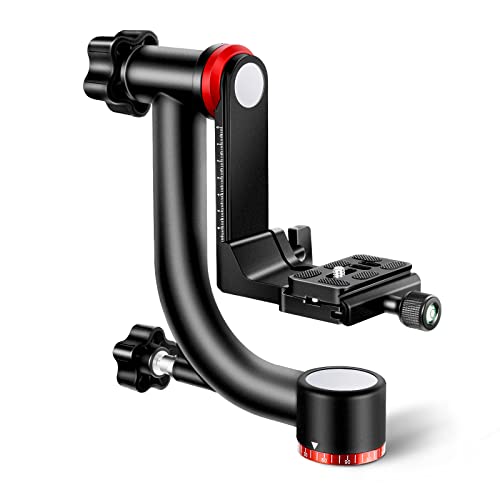
The NEEWER GM101 uses a solid aluminum alloy construction designed to support professional DSLR bodies and heavy telephoto lenses up to 30 lb (13.6 kg). Its integrated bearing structure provides smoother camera movement along vertical and horizontal axes, making fine adjustments easier during fast-changing action. The 360° panning base is a standout feature for panoramic shooting, with a lock knob to fix framing once you’ve set your composition. A standard 1/4″ and 3/8″ bottom thread enables mounting on most tripods, monopods, or slider systems. Users should loosen the main knob with the camera in place to prevent accidental drops—a practical safety reminder for field work.
Best use cases include wildlife observation, birding, and sports photography when you need stable tracking across wide angles. The GM101 emphasizes smooth, repeatable motion that helps you rapidly adjust to fast subjects without jerky pans. This model offers good value for photographers who want a reliable, heavy-duty solution without stepping into premium, higher-cost brands.
NEEWER GM102 Gimbal Head

The GM102 builds on the popular design with three-axis adjustment and a CNC-aluminum framework to deliver dependable stability under heavy loads. It supports up to 33 lb (15 kg), which makes it suitable for substantial telephotos and longer lenses used in wildlife or sports environments. The design emphasizes robust movement with a focus on precise, lockable control—vital for tracking subjects as they move across the field. A key feature is the built-in spirit level and secure tightening knobs to prevent sudden shifts when balancing on the arm or base.
Potential buyers should consider the intervention required during setup to minimize any risk of lens shift, and the GM102’s high load rating makes it an excellent choice for larger camera bodies paired with long focal lengths. For photographers who routinely shoot from hides or treetop perches, the GM102 offers dependable retention and straightforward operation with a straightforward quick-release interface.
Wimberley WH-200 Gimbal Head II

The Wimberley WH-200 is a premium gimbal head designed to support large telephoto lenses with a focus on stability and ease of use. Known for its rugged, stiff construction, this gimbal head maintains smooth pan and tilt movement while remaining relatively compact. It uses Arca Swiss style clamping, which ensures compatibility with a wide range of tripod collars and quick-release plates. This model excels in applications requiring large, heavy optics and precise balance, such as wildlife observation with long lenses or astrophotography sessions where precise framing matters.
For photographers who value long-term durability and field reliability, the WH-200 provides dependable service with a tried-and-true design. While it may come with a higher upfront investment, its balance, weight handling, and Arca clamp compatibility are advantages for serious enthusiasts and professionals who need to manage heavier gear over extended shoots.
SIRUI PH-10 Gimbal Head

The SIRUI PH-10 pairs a lightweight carbon-fiber body with a strong 15 kg (33 lb) load capacity, making it a versatile option for mirrorless cameras and mid-size telephoto lenses. The 10-layer carbon-fiber construction contributes to a lighter overall system while preserving stiffness and stability. It offers 360° panorama rotation, as well as vertical and horizontal adjustments, all secured by reliable tightening knobs. A built-in quick-release system and a security lock help ensure safe, quick mounting and secure shooting. For wildlife and landscape applications, the PH-10 provides dependable performance without excessive weight on the tripod head.
Because of its lower mass relative to some all-metal rivals, the PH-10 is particularly appealing to hikers and field shooters who value portability. It supports a broad range of lenses and camera bodies, with emphasis on keeping vibration and micro-motions to a minimum during long-lens work.
Leofoto Black PG-1 Gimbal Head

The Leofoto PG-1 combines solid performance with a best-in-class weight ratio, weighing around 1 kg (2.2 lb) while offering a maximum load of 25 kg (55 lb). This balance of lightness and strength makes it a compelling option for serious wildlife shooters who need to travel light without sacrificing stability. The Arca-compatible design ensures smooth integration with a wide range of tripods and accessories. The PG-1’s compact footprint and robust construction make it well-suited for use with long telephotos and large DSLRs, providing reliable 360° panning and precise control in field conditions.
Prospective buyers should note the emphasis on a strong, simple locking mechanism and the head’s ability to maintain balance as you adjust lens position. The PG-1 is a strong choice for photographers who require a durable, all-around gimbal head that performs across various shooting scenarios, from wildlife to landscape work with heavy lenses.
Buying Guide: Key Purchase Considerations
When selecting a gimbal head for tripod use, consider the following factors to ensure you pick a model that matches your gear and shooting style:
- Load capacity: Match the head to your heaviest lens plus camera body. Undersizing can lead to instability or gear damage.
- Three-axis adjustment: Heads with full pan, tilt, and vertical movement provide the widest framing flexibility, essential for wildlife and sports work.
- Material and durability: CNC aluminum and carbon fiber constructions offer a balance of strength and weight. Heavier heads tend to be more stable in strong winds but can be tiring to carry.
- Arca Swiss compatibility: An Arca-type clamp simplifies compatibility with many tripods and ball heads, streamlining setup and balance.
- Balance and ease of use: Look for smooth bearing movement, intuitive locking knobs, and clear markings or scales for repeatable setups.
- Portability: If you hike into wildlife hotspots, weight matters. Carbon fiber options can reduce overall load without compromising stability.
- Mounting options: Ensure the bottom thread aligns with your tripod—common is 3/8″ with 1/4″ adapters as needed.
- Safety precautions: Some heads require you to hold the camera steady during adjustment to avoid accidental drops. Always balance before releasing.
Additionally, consider your typical shooting conditions. For birding in windy environments or on uneven terrain, a heavier, more rigid head can help maintain composition across long takes. For field sports or fast-action wildlife, prioritize quick-release setups and precise locking mechanisms to reduce setup time between shots. If you travel frequently, weigh the benefits of carbon fiber for portability against the absolute rigidity of metal designs.
In sum, the options listed here cover a spectrum from value-oriented to premium systems. Your final choice should align with lens weight, the level of control you require, and how much you value portability versus maximum stability. Each model presents a distinct balance of features that support precise framing, smooth movement, and durable field performance for American photographers pursuing wildlife, sports, and landscape imagery.