Best Disposable Camera Film Rolls for 35mm Photos on the Go
Disposable camera film rolls offer a simple, affordable way to capture memories without digital devices. This guide highlights five top options popular in American markets, including single-use cameras with built-in flash, waterproof disposables, and a reusable half-frame camera that doubles your film yield.
The choices below cover different needs: quick snapshots at parties, underwater adventures, travel shoots with color film, and budget-friendly bundles of classic 35mm film. A compact comparison table summarizes the essentials for quick browsing.
| Product | Type | Exposures | Notable Feature |
|---|---|---|---|
| Fujifilm QuickSnap Flash 400 One Time Use Camera | Disposable | 27 | Built-in flash; versatile indoor/outdoor use |
| Kodak Funsaver One Time Use Camera (2-pack) | Disposable | 27 | Kodak 800 speed film; bright, vibrant colors |
| Fujifilm QuickSnap Waterproof 35mm Camera (2-Pack) | Disposable | 27 | Waterproof; ideal for pool/beach environments |
| Kodak EKTAR H35 Half Frame Camera | Reusable Half-Frame | Up to ~72 half-frames per 36-exposure roll | Film-saving; built-in flash; compact and portable |
| KooingTech 35mm Film Roll | Film Roll | 24–36 | ECN 2 processing-ready color film for 135 cameras |
Fujifilm QuickSnap Flash 400 One Time Use Camera

The Fujifilm QuickSnap Flash 400 One Time Use Camera is designed for straightforward, reliable shooting. Each unit comes pre-loaded with ISO 400 film, supporting a healthy balance of color and detail in a variety of lighting conditions. The camera supports up to 27 exposures per roll, making it suitable for casual gatherings, street photography, and travel snapshots where simplicity is key.
One of the core strengths is its built-in flash, enabling functional shots in dim interiors or after-sunset scenes. The flash is easy to engage and helps reduce harsh shadows while preserving natural color tones. The compact, pocket-friendly design ensures you can carry the camera wherever you go, capturing candid moments with minimal setup.
As a disposable option, there are no batteries to replace or complex settings to adjust. Users simply shoot, hand the film to a lab for development, and await results. For families, vacationers, or party organizers looking for quick, dependable keepsakes, the QuickSnap Flash 400 balances ease of use with dependable color reproduction.
Kodak Funsaver One Time Use Camera (2-pack)

Kodak’s Funsaver is a practical two-pack option that emphasizes hassle-free shooting with reliable results. Each camera ships pre-loaded with fast ISO 800 film and 27 exposures, delivering bright, vibrant color under a wide range of lighting conditions. This setup is ideal for events, concerts, family outings, and quick weekend trips where you want to document memories without fuss.
The Funsaver line is known for being user-friendly, with a straightforward point-and-shoot experience. The two-pack format helps families and groups cover more moments without sharing a single disposable camera, ensuring more people can participate in the shooting process. The photo outcomes tend to pop with punchy colors and good detail, thanks to the high-speed film choice.
Development follows standard processing workflows. There are no batteries to replace, and the cameras are designed for simple one-time use, then disposal after development. This makes them particularly appealing for classrooms, clubs, or quick event documentation where ease and speed matter.
Fujifilm QuickSnap Waterproof 35mm Camera
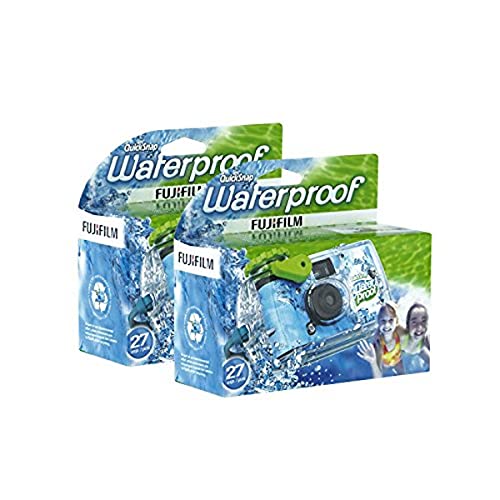
The Fujifilm QuickSnap Waterproof 35mm Camera is built for aquatic adventures and environments where moisture or splashes are likely. These disposable cameras are designed to keep functioning even in damp conditions and deliver dependable color. The pack typically comes with a standard 27-exposure roll, ensuring ample shots for pool days, beach trips, and family vacations near water.
With a simple point-and-shoot interface, this camera remains accessible to casual photographers and beginners alike. The rugged, waterproof exterior provides peace of mind when shooting near water, while the light-weight construction keeps it easy to carry during excursions. It’s the kind of tool that lends itself to spontaneous, carefree photography in outdoor and indoor settings alike.
Development considerations are the same as other disposables: no batteries to swap, and post-shoot processing occurs at your preferred photo lab. For pool parties, seaside vacations, or rainy-day outings, waterproof disposables deliver practical, memorable results without added gear.
Kodak EKTAR H35 Half Frame Camera

Kodak’s EKTAR H35 Half Frame Camera presents a reusable option that dramatically increases your exposure count per film roll by using half-frame frames. This design enables you to fit roughly twice as many images on a standard 36-exposure roll, effectively reducing per-shot costs over time. The camera is compact, light, and intended for ease of use, making it suitable for everyday photography and family adventures where portability matters.
Key features include a straightforward, focus-free experience and a built-in flash to handle mixed lighting scenarios. The combination of a small form factor and half-frame shooting makes it a compelling choice for photographers who want to explore film with a longer-running roll. Because it’s reusable, you can curate your film choices and experiment with different color styles and processing outcomes without the recurring cost of multiple disposables.
Operationally, this camera relies on standard 35mm film. When paired with a typical roll, users can enjoy a larger library of frames and preserve a sense of hands-on, analog storytelling. This is a strong pick for hobbyists and travelers who want more than a single outing’s worth of images from one film roll.
KooingTech 35mm Film Roll

The KooingTech 35mm Film Roll provides a practical option for traditional film photography. This color film roll is crafted for general 135 cameras and offers a flexible exposure range of roughly 24–36 exposures, depending on the roll selected. The film is designed to deliver warm tones and a balanced contrast profile suitable for everyday subjects, landscapes, and portraits.
Using a standard ECN 2 processing workflow, the film supports easy development while preserving faithful color reproduction. It functions well as a companion to disposable cameras or as a primary film source for those who prefer roll film over single-use formats. For travelers seeking a budget-friendly way to experiment with color thirty-five millimeter photography, this roll is a solid option.
Practical considerations include storage and handling: keep the film away from heat and moisture to preserve color integrity, and ensure you load and unload it in a clean environment to avoid dust or fingerprints on the film surface. This makes it a reliable addition to a beginner’s kit or a flexible option for more seasoned shooters exploring 35mm color film.
Buying Guide
Film Type And ISO Considerations
Film speed (ISO) affects exposure requirements and grain structure. Disposable cameras often come with ISO 400 or higher for versatility in mixed lighting, while color negative films like Ultramax 400 or Gold 200 (in bundles) provide forgiving color and tone. Reusable half-frame cameras can benefit from faster ISO when shooting in unpredictable light, but plan development timelines accordingly. If you shoot outdoors in bright sun, a lower ISO may yield finer grain; indoors or at dusk, ISO 400–800 or higher can help maintain shutter speeds without sacrificing color.
Disposable Versus Reusable Options
- Disposable cameras: convenient, no reloads, built-in flash, ideal for events and family activities. They’re great for quick captures where you want minimal setup and immediate hands-off processing.
- Reusable film cameras (half-frame or standard): higher long-term value per frame, more creative control over framing, and compatibility with a variety of 35mm films. They require more care with loading and handling but reward with extended shooting opportunities.
Lighting, Exposure, And Color
Consider where you’ll shoot most often. Well-lit outdoor scenes respond well to color negative films with warm tones. Indoor or night scenes benefit from built-in flashes on disposable cameras, but remember that flash range is limited and subjects should be within effective distance. For underwater or aquatic shoots, waterproof disposables reduce risk, though color shifts can occur under water. Bundles that mix Ultramax 400 and Gold 200 provide flexibility to adapt to varying lighting while preserving color accuracy.
Practicality, Budget, And Availability
Disposable cameras offer a low barrier to entry and are excellent for casual use or gifting. If you anticipate frequent shooting with color control and ongoing projects, investing in a reusable half-frame camera, paired with a selection of 35mm film rolls, can prove more economical over the long run. Availability varies by retailer, so consider a mix of disposables for quick events and film rolls for planned shoots to maintain a steady supply of options.
Development, Processing, And Storage
Developing times vary by lab and location. Color film is typically processed with standard color negative chemistry, while some specialized labs offer modern digital scanning or high-resolution prints. Store exposed film away from heat, moisture, and direct sunlight before development. Once developed, keep prints or digital scans organized to preserve memories in a way that aligns with your preferred sharing method and archival needs.