Best Graphics Tablet for Photo Editing: Top Picks for Creators
Answering your photo-editing needs starts with selecting a graphics tablet that combines precision, comfort, and software compatibility. This guide highlights five tablets well-suited for photo editing, outlining who they’re best for and why they stand out. The top picks cover compact options for students and teachers, as well as larger, feature-rich models for professionals. Use the quick comparison table below to compare key traits at a glance.
| Product | Best For | Why It Stands Out |
|---|---|---|
| Wacom Intuos Small Bluetooth | Beginners and students | Wireless convenience, precise EMR tech, broad software compatibility |
| XP-Pen Deco 01 V3 | Beginner to intermediate artists | 16K pressure levels, battery-free stylus, beginner-friendly shortcuts |
| GAOMON PD1161 Drawing Tablet With Screen | Designers who need on-screen drawing | On-screen workspace, strong color performance, versatile connections |
| GAOMON M10K | Creative pros with large workspace needs | 10×6 inch area, touch ring, programmable keys |
| HUION Inspiroy H1060P | Professional digital artists | Large area, tilt-sensing stylus, many shortcut keys |
Wacom Intuos Small Bluetooth Graphics Drawing Tablet
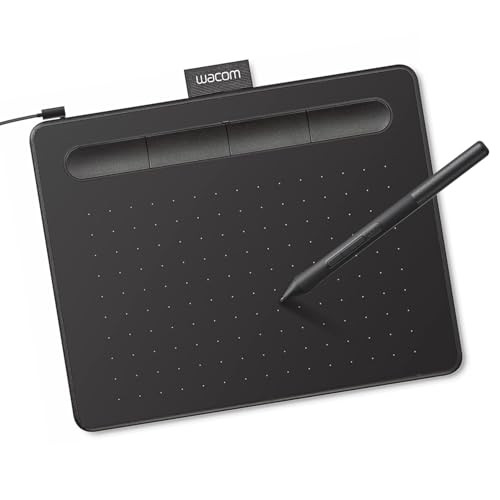
The Wacom Intuos Small Bluetooth stands out for precise EMR technology that feels like pen on paper. It works with most creative software, making it a solid choice for photo editing, retouching, and layout work. The tablet’s compact size and wireless option suit on-the-go editing and classroom use. Best for: students, teachers, and hobbyists who value a natural pen feel and broad software support. Caution: wireless performance can vary by system and environment, so verify Bluetooth stability with your setup.
HUION Inspiroy Frego Medium Wireless Drawing Tablet

The Inspiroy Frego emphasizes a minimalist drawing surface with flexible connectivity and long battery life. It’s best for photo editing and general design work where users appreciate a clean canvas and portability. The PW550S pen provides a 0.4mm retraction and two side keys for quick edits like brush and undo. Choose this if you value a modern, sparse workflow and strong battery performance. Caution: lacks physical shortcut keys on the tablet face, which might slow workflows for heavy shortcut users.
HUION Inspiroy H640P Drawing Tablet

The H640P offers a compact footprint with a generous 6×4 inch working area and 8192 pressure levels via a battery-free stylus. It’s best for students or professionals who need a portable, affordable option with strong pen performance. Two customizable pen keys enhance workflow efficiency, especially for quick edits. Limitation: smaller drawing area may feel cramped for large edits or detailed projects.
XPPen Deco 01 V3 Drawing Tablet

Designed for beginners, the Deco 01 V3 uses 16,384 pressure levels and a battery-free pen for a natural drawing experience. It includes eight shortcut keys to speed up common edits, and it’s well-suited for photo editing, drawing, and preparation tasks. Best for: beginners and students who want robust pressure sensitivity and easy mapping to both Windows and Android devices. Caution: not all Android devices map every feature, so verify app compatibility before purchase.
HUION Inspiroy H1060P Graphics Drawing Tablet
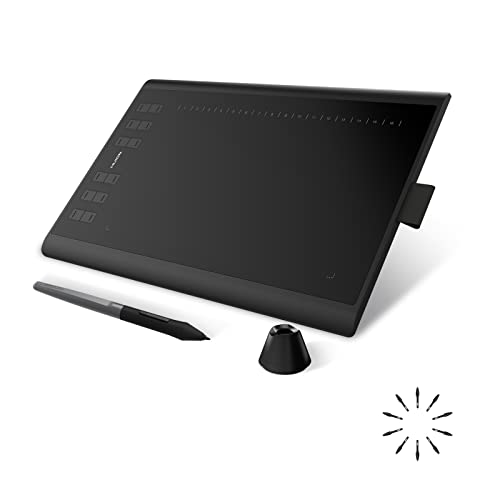
The H1060P provides a larger 10 x 6.25-inch working area and a battery-free PW100 stylus with tilt support. It includes 12 programmable keys and 16 soft keys for personalized shortcuts, making it a strong option for professional photo editors who tote complex workflows across Mac, Windows, and Android. Best for: serious digital artists and editors who need ample space and customizable controls. Caution: larger size reduces portability compared to smaller tablets.
Buying Guide: Key Purchase Considerations
- Size and working area: Choose a size that fits your desk space and editing style. Small tablets are portable; larger ones offer more precise control for detailed edits.
- Stylus and pressure levels: 8192 levels are standard for many tablets and deliver smooth brush dynamics. Battery-free styluses reduce maintenance and interruption.
- Shortcut keys and workflow: Programs vary, so prioritize tablets with programmable keys if you rely on quick actions (undo, brush size, zoom).
- Connectivity: Bluetooth and USB connections provide flexibility. Consider whether you need wireless use away from a computer.
- Screen vs. non-screen: On-screen tablets (like PD1161) give direct drawing, while non-screen models rely on viewing a separate monitor—this affects workflow and learning curve.
- Software compatibility: Most tablets work with major photo editors (Photoshop, Lightroom, Affinity, etc.). Verify compatibility with your primary software.
- Portability vs. performance: If you travel or teach, lighter models with solid performance may be preferable; for studio work, larger, feature-rich tablets can speed edits.
Frequently Asked Questions
- What’s the best graphics tablet for photo editing on a budget?
Look for a model with at least 8192 pressure levels, a battery-free stylus, and a reasonable working area. Non-screen tablets from brands like Wacom, XP-Pen, or HUION often provide solid value for photo editing tasks.
- Do I need a screen on my tablet for photo editing?
Not necessarily. Screen tablets offer direct drawing but come at a higher cost and weight. Non-screen tablets paired with a high-resolution monitor can provide precise editing while keeping the setup simpler and lighter.
- Are Bluetooth tablets reliable for editing?
Bluetooth can be convenient, but USB connectivity is often more stable for long editing sessions. If you plan to work away from a desk, ensure your setup supports a reliable wireless connection.
- Should I prioritize more shortcut keys?
Yes, if you frequently perform repeated edits. Programmable keys speed up workflows by letting you map tools like brush, eraser, undo, and zoom to accessible buttons.
- Is a larger tablet better for photo editing?
Generally yes for detailed work; a larger surface allows finer control and comfortable palm rest. However, it reduces portability and requires more desk space.
- Can these tablets be used with Chromebooks?
Many models are compatible with Chrome OS through software that supports a broad range of drivers. Check the product page for Chromebook compatibility to confirm.