Best Budget High Frame-Rate Cameras for Streaming and More
The search for an affordable camera that delivers a smooth, high frame rate is common among streamers, educators, and makers. This guide highlights five budget-friendly options that balance frame rate, image quality, and ease of use. Each entry includes a quick spec snapshot, followed by a deeper look at performance, ideal use cases, and practical buying tips. A at-a-glance comparison table helps you compare key specs quickly, so you can pick the model that fits your needs without overspending. Whether you’re teaching a virtual class, streaming a hobby live, or prototyping a project, there’s a strong option below.
| Product | Brand | Max FPS | Max Resolution | Notable Feature |
|---|---|---|---|---|
| SVPRO 1080P USB Camera Module | SVPRO | Up to 30 fps at 1080P; 100 fps at 480P | 1080P | Compact camera module with 1/2.7″ OV2710 sensor |
| ELP 1080P USB Camera | ELP | 30 fps at 1080P; 100 fps at 480P | 1080P | Box housing with autofocus; wide 85° view |
| IPEVO V4K USB Document Camera | IPEVO | Up to 30 fps at Full HD | 3264×2448 (8MP) | High-resolution document camera for live demos |
| Canon EOS R6 II Mirrorless | Canon | Up to 40 fps (electronic shutter) at 20MP | 24.2 MP | Full-frame with Dual Pixel CMOS AF II |
| Canon EOS R8 Mirrorless Kit | Canon | Not specified | 24.2 MP | Lightweight full-frame with DIGIC X |
SVPRO 1080P USB Camera Module

The SVPRO 1080P USB Camera Module centers on the 1/2.7″ OV2710 image sensor, delivering solid Full HD video at 1080P and a remarkable 100 frames per second at lower resolutions. This makes it well-suited for embedded projects, robotics, and DIY streaming rigs where a compact, low-latency camera is needed. When running at 1080P, users typically enjoy smooth footage suitable for live demonstrations, class sessions, or prototype testing. The module design prioritizes a small footprint and straightforward integration with standard computer interfaces.
Practical use cases include livecoding, robotic telepresence, and kiosks where a lightweight, adjustable camera is advantageous. The high 480P and 100fps modes are particularly helpful for motion-heavy demonstrations or slow-motion analysis. As a camera board rather than a ready-to-use webcam, it requires a bit more setup, including mounting and driver considerations. Its versatility shines in projects where space is at a premium and developers want flexible form factors rather than a bulky consumer cam.
Pros focus on versatility and value: compact size, broad compatibility, and a low-cost entry point for experimentation. Limitations include the need for integration work and the absence of built-in features common in consumer webcams (like a mic or stand-alone controls). If your priority is a high frame-rate option for a custom build rather than a plug-and-play webcam, this SVPRO module is a strong starter.
ELP 1080P USB Camera

The ELP 1080P USB Camera presents a conventional buyer-friendly option with autofocus and a box-style housing. It supports Full HD 1080P video at a standard 30 fps, plus a high-speed 100 fps mode at 480P for fast-moving subjects or when you need extra-seamless motion. The 2MP image sensor provides crisp color reproduction suitable for classrooms, seminars, and desk setups where a simple USB webcam is sufficient. The box-style enclosure makes it a straightforward plug-and-play device for desktop use, streaming on video platforms, or educational demonstrations.
ELP emphasizes flexibility with its wide-angle design and autofocus, which reduces manual adjustments during live sessions. This is particularly helpful for teachers, tutors, or hobbyists who switch between different topics or participants. While it excels as an accessible webcam, it’s not built as a professional cinema camera; it’s best used where ease of setup and consistent frame rate matter more than ultra-high-resolution capture.
From a value perspective, this camera delivers reliable HD performance at a reasonable price, with the added benefit of a box-form factor that can be mounted or integrated into a custom rig. Potential buyers should consider the without-mic nature of the device and plan for a separate audio input if needed for streams or recordings. Overall, a solid, budget-friendly option for straightforward high-frame-rate needs.
IPEVO V4K USB Document Camera
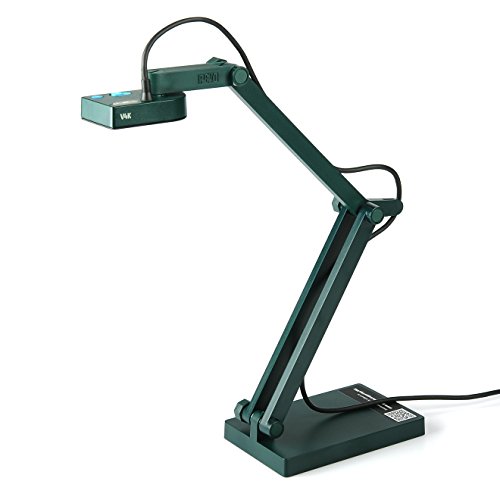
The IPEVO V4K is marketed as a document camera designed for live demonstrations, distance learning, and classroom use. It captures up to 30 fps in Full HD, with a maximum 8-megapixel capture that can reach 3264 x 2448 pixels when needed. This combination allows smooth video during lectures while also producing extremely detailed still images for handouts, worksheets, and slide sharing. The device supports rapid focus and is compatible with major operating systems, making it a practical choice for remote teaching, webinars, and product demonstrations.
Performance highlights include a Sony CMOS image sensor that contributes to improved color reproduction and noise control in variable lighting. Its higher resolution stills complement live video, so presenters can switch between live demonstrations and high-detail captures without changing devices. The V4K’s primary advantage is its balance of high frame rate with high-resolution stills in a single, classroom-friendly package. Users should be aware that this is a dedicated document camera rather than a traditional camcorder, so its feature set aligns with education and demonstrations rather than cinematic production.
In terms of limitations, the V4K’s strengths lie in education and presentation rather than action filmmaking. It’s best suited for instructional content, live demos, product walkthroughs, and screen-sharing scenarios. For those needing motion capture with a broad lens on a budget, the V4K offers a compelling mix of performance and practicality that translates well to virtual classrooms and live streams alike.
Canon EOS R6 II Mirrorless

The Canon EOS R6 II is a high-performance full-frame mirrorless camera positioned for serious creators who still want solid value in a versatile body. It features a 24.2-megapixel CMOS sensor paired with Canon’s DIGIC X image processor, delivering sharp imagery with robust low-light performance. One standout is the electronic shutter that can reach up to 40 fps at approximately 20 MP, which makes it excellent for fast action, sports, and wildlife, as well as event photography where timing matters. In addition, Dual Pixel CMOS AF II provides dependable subject detection and tracking, helping keep subjects in focus during rapid movement.
Video capabilities are strong, with 4K recording and advanced autofocus for both stills and moving images. The R6 II’s ergonomic design and fast boot times support on-the-go shooting, while the full-frame sensor delivers a shallow depth of field and broad dynamic range. Although priced higher than typical budget cams, its combination of speed, image quality, and reliable autofocus has made it a popular option for enthusiasts seeking a long-term camera that still remains versatile for different tasks, from documentary work to live streaming and portraits.
Buyers should consider lens options, battery life, and storage requirements as part of the total cost of ownership. The R6 II shines in dynamic environments where speed and subject tracking are essential, but it comes with a higher upfront price and a more substantial setup than entry-level models. For those prioritizing frame rate and fast action capture in a full-frame system, it’s a compelling premium choice.
Canon EOS R8 Mirrorless Kit

The Canon EOS R8 is positioned as a compact, capable full-frame option for creators who want a lighter setup without sacrificing modern features. It shares the 24.2-megapixel sensor class with its Canon siblings and runs on the DIGIC X engine, which supports fast autofocus, efficient processing, and robust color science. The camera includes a high-quality EVF (0.39 inches with about 2.36 million dots) and a vari-angle 3.0-inch LCD, making it well-suited for vlogging, interviews, and overhead work. Its Dual Pixel CMOS AF II system provides reliable subject detection and smooth tracking across a variety of scenarios.
Video capability includes 4K recording, making this kit a practical choice for creators who want a lightweight, all-around camera with strong autofocus and good video performance. The R8 is particularly appealing to those who value portability and a flexible lens ecosystem, as RF-mount lenses pair well with a range of shooting styles, from handheld to tripod-based shoots. It’s a strong mid-range option that emphasizes usability, speed, and image quality in a compact body for content creators who need versatility without excessive bulk.
Buying Guide
Key factors to consider
Frame rate versus resolution matters. If your priority is smooth motion in live streams, you’ll want higher frame rates (30 fps and above) especially in 1080P or 4K contexts. For static shots or creative effects, higher megapixel counts can be valuable, but they don’t automatically improve motion performance. Sensor size, pixel density, and lens quality all influence image clarity in various lighting conditions. Budget cameras with high FPS typically optimize for standard 1080P or use lower-resolution modes to achieve higher frame rates.
Use-case oriented considerations
Document cameras and classroom-friendly cams excel in live demonstrations and screen-sharing environments, while action-oriented or event-focused cameras prioritize extremely fast autofocus and high frame rates. If you’re streaming or teaching, consider whether you need built-in audio, simple mounting options, and compatibility with your software. For creators who want a full-featured system with interchangeable lenses, a mirrorless camera offers flexibility but may require a larger budget and more gear.
Budget versus premium options
Budget options like SVPRO, ELP, and IPEVO emphasize affordability and straightforward setup, making them suitable for education, prototyping, and basic streaming. Premium options such as Canon EOS R6 II provide advanced autofocus, higher overall image quality, and stronger performance in low light, at a higher price. When evaluating total cost, factor in lenses, memory, lighting, and any required accessories. In many cases, the best value is a camera that meets your core needs without overinvesting in features you won’t use.
Connectivity and compatibility
USB-based webcams and document cameras offer plug-and-play simplicity, but some systems benefit from native drivers or software compatibility. Check HDMI or USB-C support, OS compatibility (Windows, macOS, Linux), and whether the device supports your preferred streaming or conferencing platforms. If you need mobility, consider weight, battery life, and whether you’ll rely on external power or need internal power options. Documentation and warranty support can also impact the long-term reliability of your setup.
Make a decision framework
Define your top priorities: frame rate for motion, image quality for detail, or portability for on-the-go shooting. Create a short list of must-haves (for example, 1080P at 60 fps or 4K at 30 fps, autofocus performance, or ease of use). Compare the five options against those criteria, and weigh non-essential features that add cost against actual use. A balanced choice—one that matches your primary tasks and budget—is usually more effective than chasing the highest spec on every spec sheet.