Best Cameras for Telescope Eyepieces for Astronomy Enthusiasts
The right camera eyepiece can transform a simple telescope into a capable astrophotography setup. This guide highlights five top options that pair well with popular eyepieces, offering easy setup, real-time viewing, and versatile recording capabilities. Each pick is suitable for beginners aiming to capture lunar, planetary, or terrestrial targets. Below is a quick summary of the featured products to help you compare at a glance.
- SVBONY SV105 Telescope Camera – Beginner-friendly, USB2.0, IMX307 sensor
- 64GB Telescope Camera Digital Eyepiece – 2K video, built-in WiFi
- Telonixium WiFi Telescope Camera Eyepiece – 1.5″ screen, 1080P
- maigevi 64GB Telescope Camera Eyepiece – 2MP photos, 1080P video
- Denash 1.25″ Electronic Eyepiece – Real-time viewing to PC
All five selections are designed to plug into standard eyepiece interfaces, record high-quality imagery, and stream live to a computer or phone. They offer a range of display sizes, sensor resolutions, and wireless options to fit different observing styles—from quick lunar videos to more intricate planetary captures.
SVBONY SV105: Entry-Level Imaging with USB2.0
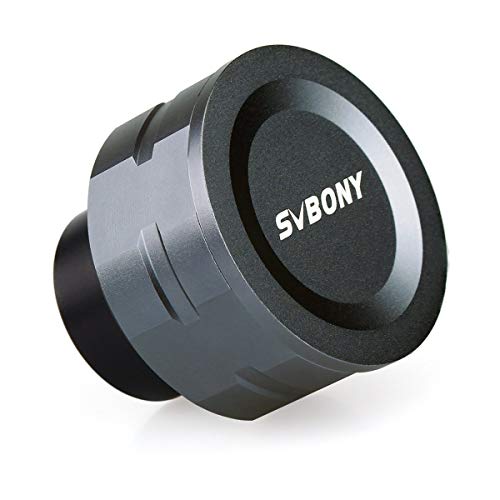
The SV105 is positioned as a basic entry point into astronomical imaging. It uses a 1.25″ interface and the IMX307 color sensor to deliver clear lunar and planetary captures. The camera is designed for ease of use: plug and play with Windows via SharpCap Capture, and compatible Linux and Android workflows with simple software downloads. It transmits real-time video to a laptop or PC, enabling quick recording of planetary transits and moon librations. This model emphasizes simplicity and immediate results for beginners who want to start imaging without complex setup.
Key benefits include real-time viewing, straightforward operation, and broad compatibility with common software tools. For aspiring astrophotographers who want quick proof-of-concept videos of the night sky, the SV105 offers a dependable starting point without deep technical requirements. It’s particularly well-suited for observing bright objects and sharing the view with others through a connected PC or laptop.
Unalace 64GB Telescope Camera Digital Eyepiece

This camera eyepiece combines a 2K video capability and a 16MP sensor with built-in WiFi. It fits 25–50mm eyepieces, making it compatible with a wide range of scopes. The device streams live HD video to a smartphone via WiFi and includes independent recording modes—ideal for hands-free operation during long observing sessions. A 64GB microSD card supports ample local storage for videos and stills. The combination of 2K quality and wireless control makes it appealing to observers who want to document planetary details and other bright targets with minimal fuss.
From a practical standpoint, installation is tool-free and straightforward, and the long-range app control provides flexibility for solo observers or small outreach sessions. The device’s portability makes it a strong companion for field observing, backyard astronomy, or quick demonstrations of the night sky to friends and family.
Telonixium WiFi Telescope Camera Eyepiece with 1.5″ Screen

This eyepiece offers a 1.5″ IPS screen for direct, on-device viewing and wireless streaming to a phone or tablet within a 49-foot range. It is designed to fit 28mm–50mm eyepieces and supports dual-device connections. The imaging output includes 1080P video and 2MP stills, with dark-light compensation to improve low-light performance. The combination of a built-in display, WiFi connectivity, and broad eyepiece compatibility makes it a versatile option for those who value independent viewing alongside remote sharing capabilities.
In practice, the Telonixium model is well-suited for beginners who want a self-contained viewer with the option to record sessions directly on a mobile device. Its extended compatibility with standard telescope accessories means it can be used across several scopes without purchasing additional adapters.
maigevi 64GB Telescope Camera Eyepiece

The maigevi eyepiece emphasizes portability and practical performance. It supports 28mm–50mm scopes, includes a 64GB microSD card, and uses Wi-Fi to connect to a smartphone for quick viewing and control. The device captures 2MP photos and 1080P Full HD video, with a design focused on lightweight operation—great for hikers, birdwatchers, and casual astronomers who want to bring astronomy along on adventures. The combination of memory capacity and wireless operation makes it easy to document daytime and nighttime observations alike.
With its compact footprint and pocketable form factor, this model suits observers who value ease of transport as part of their gear kit. The app-based control enables straightforward sharing of observations during outreach sessions or family stargazing nights.
Denash 1.25″ Electronic Telescope Eyepiece Camera

The Denash model focuses on real-time viewing via a USB connection to a laptop or PC. It is positioned for sharing the live view of planets, the Moon, and terrestrial targets with family and peers. While it offers reliable real-time capture, it is described as best for lunar and planetary shots rather than deep-space imaging. The device caters to observers who want an immediate, shared viewing experience without complex post-processing workflows.
Overall, the Denash eyepiece can be a solid choice for clubs or classroom demonstrations where the goal is to present a live sky view to a group while still recording footage for later review.
Buying Guide: Key Purchase Considerations and Comparisons
- Sensor size and resolution: Higher resolutions deliver crisper planetary features and better stills, but require more storage and processing power. For beginners, 1080P video and 2MP–4MP stills strike a good balance.
- Display and viewing approach: Eyepieces with built-in screens, like Telonixium and maigevi, enable independent viewing, while USB-connected cameras rely on external displays. Consider whether you want on-device viewing or mobile device streaming.
- Connectivity: WiFi-enabled models offer wireless control and remote sharing, but may introduce latency. USB connections provide lower latency for real-time observation and recording to a computer.
- Eyepiece compatibility: Ensure the device fits common eyepieces (1.25″ or 28mm–50mm adapters). Universal grooves and adjustable clamps expand compatibility with various scopes and accessories.
- Software ecosystem: Look for compatibility with widely used capture software (e.g., SharpCap) and platform availability (Windows, Linux, Android). Software support affects ease of use and post-processing options.
- Portability and storage: If you travel with your telescope, lighter units with included memory cards are advantageous. Consider whether you need built-in storage or rely on external devices.
- Intended observing targets: For planetary and lunar imaging, prioritize higher frame rates and good low-light handling. If you plan wildlife or terrestrial use, color accuracy and effective WiFi streaming can be more important.
Across these options, users should weigh ease of setup against imaging ambition. For quick, educational demonstrations or backyard viewing, a device with a built-in screen and straightforward setup may be ideal. For more serious imaging, consider models with higher resolution stills, robust app support, and reliable live streaming.