Best Camera for Elderly Parents: Safer, Simpler Monitoring at Home
Choosing the right camera-based monitoring system can help families keep elderly loved ones safe while preserving independence. This guide reviews five highly relevant options that focus on simple controls, clear video, and caregiver-friendly features. Each product below emphasizes easy setup, two-way communication, and reliable alerts—essentials for home monitoring without constant supervision. The selections span devices with built-in screens, non-WiFi options, and devices designed for dementia or memory support, offering a range of affordable, practical choices for American households.
| Product | Key Benefit | Best For |
|---|---|---|
| KEENLUK Home Security Camera with 4.3″ Screen | Local storage, one-button call, device-to-device calling | Elderly loved ones needing simple, direct video calls |
| HelloBaby 6” IPS Split-Screen Monitor | Large, readable display; long battery life; 360° viewing | Elderly monitoring with a focus on big-screen clarity |
| CallToU Elderly Monitor with Camera | One-button SOS, clear night vision, no Wi‑Fi required | Seniors needing urgent assistance and straightforward alerts |
| SIYZHOP 4.3-Inch Indoor Camera | One-button calling, smart reminders, intercom between devices | Families wanting quick calls and routine reminders |
| Sensforge 2.5K Indoor Pan-Tilt Dome Camera | High-resolution, AI detection, full coverage | Balanced monitoring with advanced alerts for multiple concerns |
KEENLUK Home Security Camera With 4.3″ Screen

The KEENLUK camera centers on elderly-friendly communication. It includes a built-in 4.3-inch screen for a direct, close view and two-way video calls, helping family members connect without smartphones. It supports local SD storage, avoiding cloud subscriptions, and operates over 2.4G WiFi for stable connections. A single-button call feature reduces confusion and aids seniors who benefit from simple, tactile controls. The device-to-device calling function provides a broad, real-time view of the home, letting caregivers monitor activity from different rooms or devices.
HelloBaby 6″ IPS Split-Screen Monitor
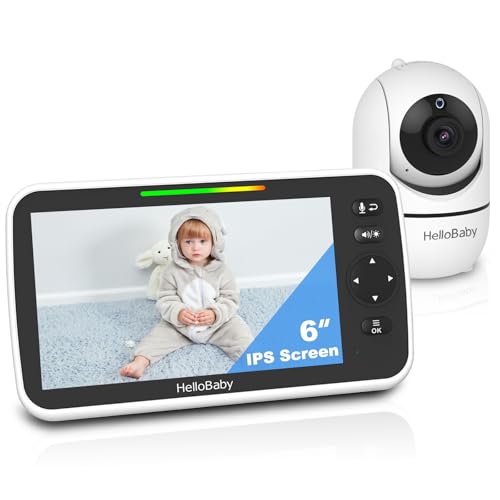
This model emphasizes a large 6-inch IPS display for easy viewing by seniors with limited vision. Its long battery life enables multiple nights of monitoring without frequent recharging, and the 355° pan and 360° viewing range reduces blind spots. Although billed for baby monitoring, the large, clear screen and long battery make it well-suited for elderly caregivers who want to observe a room comfortably from a single device. The camera supports pan and tilt adjustments to capture different angles without moving the unit.
CallToU Elderly Monitor With Camera
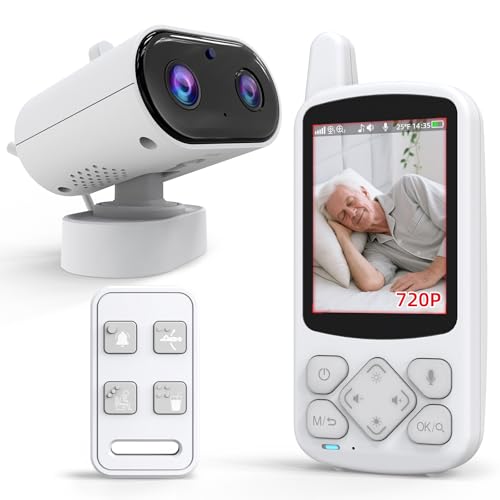
The CallToU monitor emphasizes safety features and caregiver communications. It offers two-way audio and infrared night vision, ensuring visibility in low light. A standout is the one-touch SOS button and daily alerts that flag routines such as toilet visits, hydration, movement, and emergencies. These features help reduce response times for caregivers and support dementia care through simple, predictable alert patterns. The system is designed for homes or small care facilities, providing a straightforward, low-tech feel with essential digital benefits.
SIYZHOP Indoor Camera With Big Screen

The SIYZHOP camera pairs a 4.3-inch screen with a one-button call and a built-in intercom. It is positioned as a practical option for families seeking quick, direct communication with an elderly relative or a pet at home. The device also includes smart reminders for routines like feeding or medication, displayed as text notifications on the screen. This model aims to simplify daily care by centralizing calls and reminders in one easy-to-use unit, reducing the need for multiple devices or apps.
Sensforge 2.5K Indoor Pan-Tilt Dome Camera

With 2.5K resolution, this camera delivers crisp video for clear monitoring of a senior’s room at any time. AI-based detection differentiates humans and pets from regular movement, reducing false alarms. The 360-degree horizontal and 90-degree vertical rotation minimize blind spots, ensuring caregivers can rotate the view to cover the entire space. It supports dual-band Wi‑Fi (2.4G/5G) and includes a 64GB SD card as a no-monthly-fee storage option, appealing to households seeking robust security without recurring fees.
Elderly Monitors With Camera And Audio

This device focuses on essential alerts for dementia care and falls risk. It includes a comprehensive alert set: medicine reminders, SOS, roll-over alerts, toilet alerts, and hydration reminders. Two-way audio enables real-time conversations, while infrared night vision keeps the room visible after dark. A broader temperature and range monitoring capability supports caregivers in maintaining a safe living environment for elderly users. The design targets reliable, straightforward interaction without requiring specialized tech knowledge.
OKAIDI Video Baby Monitor With 3 Cameras

This kit highlights a no-WiFi, secure video setup suitable for households that prefer privacy. It includes three cameras that can be monitored on a single 5-inch display with remote pan/tilt-zoom control. The FHSS digital encryption provides privacy while maintaining a long range (up to 1,000 feet). For elder care, the same privacy-first approach means fewer cloud-based data concerns and straightforward operation for caregivers and family members who want a simple, reliable monitoring option.
HelloBaby No WiFi Baby Monitor With 5″ Screen

HelloBaby’s No WiFi option provides a private monitoring channel with a 5-inch display and 30-hour battery life. The 355° pan and 120° tilt deliver broad room coverage, and the 2x zoom helps caregivers spot details. Infrared night vision ensures visibility in darkness, while VOX and 2-way talk enable hands-free assistance and direct caregiver communication. This model emphasizes privacy, long standby times, and reliable local-only transmission, which can be appealing for elderly care in homes with limited internet access or privacy concerns.
Buying Guide
Key considerations when selecting a camera-based system for elderly care include ease of use, reliability, and privacy. Look for devices with large, readable displays or simple smartphones pairing options, plus one-button SOS or quick-call features for rapid caregiver response. Consider display versatility: a built-in screen, a multi-camera setup, or a no-WiFi option can reduce tech complexity. Prioritize clear video and audio, infrared night vision, and robust alerts for reminders, safety, and health checks. Storage type—local SD vs. cloud—impacts ongoing costs and privacy. Finally, assess compatibility with other devices in your home and whether device-to-device calls or caregiver monitoring is feasible without constant internet reliance.
To cover different scenarios: choose a model with a large screen for seniors with vision challenges, or a compact device with simple controls for quick interactions. If dementia or memory issues are present, pick systems with medication reminders and routine alerts. For homes with limited internet, prioritize no-WiFi options or devices that store data locally. Lastly, consider a combined approach: a basic no-WiFi monitor for primary safety needs, plus a secondary camera that supports remote viewing if an internet connection is available, ensuring continuity of care across situations.