Best Black and White 400 Film for Classic Photography
Choosing the right 400 ISO black and white film can shape contrast, grain, and tonal range for street, landscape, or portrait work. The following selections offer a mix of classic Kodak and Ilford emulations, plus competitive options from Arista EDU Ultra. Each entry highlights practical considerations like latitude, grain, and sharpness to help photographers pick films that perform well in varied light and with different camera systems.
| Product | Brand | ISO | Exposure | Notes |
|---|---|---|---|---|
| Kodak Tri-X 400TX Professional Black & White Film | KODAK | 400 | 24 Exposures | Fine grain, high sharpness, wide latitude |
| Ilford HP5 Plus 400 Black & White Film | Ilford | 400 | 36 Exposures | Wide latitude, good push processing potential |
| Ilford Delta Pro 400 Fast Fine Grain | Ilford | 400 | 36 Exposures | High speed with fine grain and sharpness |
| Arista EDU Ultra 400 ISO Black & White | foma | 400 | 36 Exposures | Traditional BW film, standard processing |
| Kodak Tri-X 400TX 5-Pack | KODAK | 400 | 36 Exposures per roll | Fine grain, high sharpness; value pack |
Kodak Tri-X 400TX Professional 24 Exposures
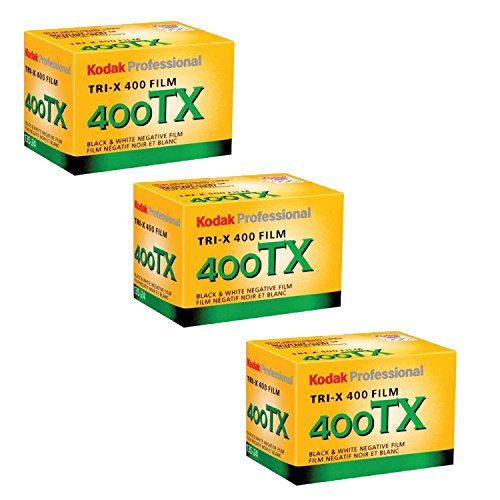
Kodak Tri-X 400TX is renowned for its versatile performance in varying lighting. This 24-exposure pack delivers a classic grain structure with a wide tonal range, making it suitable for street scenes, portraits, and documentary work. The film responds well to push processing, increasing contrast and grain for a bold, timeless look. Its broad latitude helps in harsh sunlight or dim interiors, preserving shadow details without sacrificing highlight recovery.
Ilford HP5 Plus 400 Black & White Film 36 Exposures

Ilford HP5 Plus 400 is a classic choice for photographers seeking reliable latitude and consistent results. Its medium contrast works well for a variety of subjects, while the film’s push-processing potential unlocks extra shadow detail in challenging lighting. It performs well for street photography and general use, maintaining durable tonal transitions from deep blacks to smooth grays.
Ilford HP-5 Plus 400 35mm 24 Exposures

This Ilford HP-5 Plus 400 film emphasizes sharpness and broad exposure latitude. It’s designed for flexibility across lighting scenarios, with a forgiving creation process that suits push/pull development. The 24-exposure format makes it practical for longer shoots or learning projects, maintaining consistent tonal balance across frames.
Arista EDU Ultra 400 ISO 35mm 36 Exposure

Arista EDU Ultra 400 offers a reliable traditional black and white look, designed for 400 ISO and standard black-and-white chemistry processing. It is a solid option for students and hobbyists seeking predictable results with straightforward development workflows. The film’s tonal range supports a broad spectrum of subjects from street to landscapes.
Kodak Tri-X 400TX Pack of 5

This pack extends the Tri-X 400TX formula across five rolls, offering consistency and value. The film’s classic grain and sharpness make it a staple for archival prints and large enlargements. It handles a range of lighting conditions with strong mid-tones and deep blacks, making it a dependable choice for documentary and fine-art photographers alike.
Buying Guide
Key considerations when selecting 400 speed black and white film include grain aesthetics, latitude, sharpness, and compatibility with your camera and development workflow. These films generally perform well in daylight and mixed lighting, but some are more forgiving with underexposure or overexposure than others. Consider the following perspectives:
- Grain and tonality: Classic emulsions like Tri-X emphasize a pronounced grain structure that many shooters associate with vintage aesthetics. Delta Pro films prioritize fine grain and high detail, better suited for enlargements and precise tonality.
- Latitude and push processing: Films with wide latitude (HP5 Plus, Tri-X) tolerate exposure errors and perform better when push processing is used to recover shadows or adjust contrast.
- Contrast and mood: Higher contrast films deliver bolder visuals ideal for dramatic portraits or architectural work, while lower contrast options yield subtle tonal transitions in landscapes.
- Film format and pack size: 24 vs 36 exposures per roll and packs of multiple rolls affect shooting workflow, budget, and storage considerations. Ensure your camera’s loader supports the chosen format.
- Processing compatibility: Most of these films are compatible with standard black-and-white chemistry. If you plan to push/pull, verify the developer’s guidelines for the specific film stock to achieve desired results.
- Subject matter and lighting: For street or documentary photography, a film with high latitude helps manage rapidly changing scenes. For portraits or studio work, a higher contrast film can enhance skin tones and textures when lighting is controlled.
In practice, photographers often select one film for general use (HP5 Plus or Tri-X) and another for specific aesthetics (Delta Pro for fine grain or Arista EDU Ultra for budget-friendly practice). The best choice depends on your camera system, development setup, and the look you want to achieve in your prints.