Best 50Mm Lenses for Micro Four Thirds: Pick the Right Prime for Your MFT Camera
For Micro Four Thirds cameras, a 50mm lens offers a natural field of view close to the human eye and excellent subject isolation with a shallow depth of field. This guide examines several 50mm class or near-50mm options—from fast manual primes to cinema-focused lenses and versatile adapters—so you can find the best match for portraiture, street photography, and video on MFT bodies. The selections below are organized to highlight optical performance, handling, and value for the Micro Four Thirds ecosystem.
| Product | Brand | Key Point |
|---|---|---|
| TTArtisan 50mm F1.2 | TTARTISAN | Fast, all-metal build; close to human-eye perspective |
| SIRUI 50mm F1.8 Anamorphic | Sirui | Widescreen cinema look; MFT mount |
| Meike 50mm T2.2 Mini Cine | Meike | Video-focused, compact prime; T2.2 |
| Fotasy 35mm F1.6 (MFT) | Fotasy | Budget option; adaptable; close to 50mm equivalence on MFT |
| Sigma 30mm F1.4 Contemporary DC DN | Sigma | Close to standard 50mm feel on MFT; modern autofocus |
TTArtisan 50mm F1.2 for Micro Four Thirds

The TTArtisan 50mm F1.2 for Micro Four Thirds is an all-metal manual-focus prime designed to pair with Panasonic and Olympus MFT bodies. It uses 7 elements in 5 groups and 10 diaphragm blades, delivering a bright F1.2 aperture for strong subject separation and low-light performance. At 336g, it provides a balanced, portable option that maintains a classic, tactile shooting experience. The 50mm focal length offers a natural perspective similar to the human eye, making it ideal for portraits, street photography, and everyday carry.
OM SYSTEM M.Zuiko Digital ED 12-50mm EZ

This standard zoom isn’t a 50mm prime, but it’s a versatile Micro Four Thirds option often used as a walkaround lens. The M.Zuiko 12-50mm EZ is dust and splash proof, with an internal zoom mechanism and macro capability that makes it a practical complement to a prime 50mm in the kit. It supports smooth autofocus and movie capabilities, broadening the range of scenes you can cover on an MFT body.
SIRUI 50mm F1.8 Anamorphic Lens for Micro Four Thirds
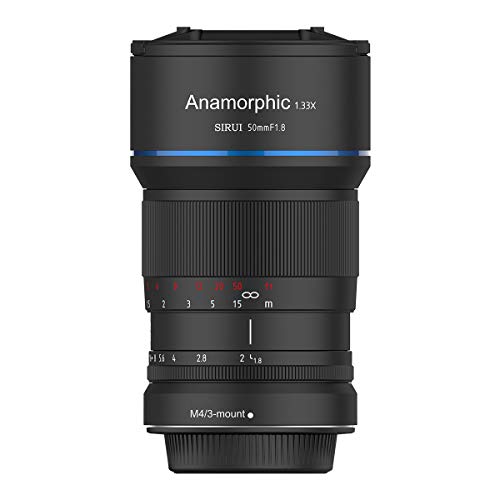
The SIRUI 50mm F1.8 Anamorphic is crafted for MFT cameras to deliver a cinematic widescreen look with a 2.4:1 aspect feel. It provides a wider field of view than standard 50mm lenses and produces characteristic oval bokeh and horizontal lens flares. With the Micro Four Thirds mount, it’s a compelling choice for video shooters and filmmakers seeking a budget-friendly anamorphic experience in a compact form.
Fotasy Manual 35mm F1.6 for MFT
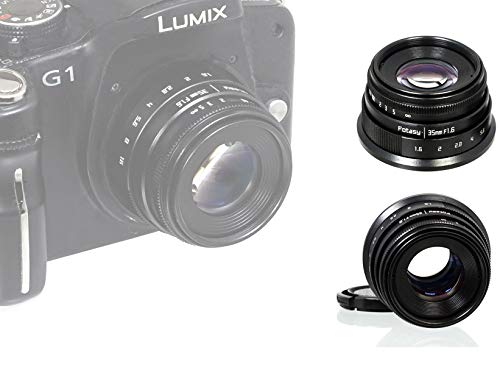
The Fotasy 35mm F1.6 is an affordable option for Micro Four Thirds users exploring prime glass. It includes a C-to-MFT adapter for flexibility, offering manual focus and aperture control. While not a native 50mm, its 35mm focal length on MFT yields a similar field of view to a classic 50mm on larger sensor systems, making it a practical budget pick for portraits and street photography. The lens emphasizes manual control and a compact profile.
Meike 50mm T2.2 Mini Cine

The Meike 50mm T2.2 Mini Cine is designed for video on Micro Four Thirds cameras. Its T-stop focus provides precise exposure control for video work, with a 24.8-degree field of view that suits portrait and landscape applications. The lens’ compact form factor is ideal for handheld rigs and gimbal setups, delivering cinematic aesthetics with a shorter throw and manual focus workflow.
Sigma 30mm F1.4 Contemporary DC DN for Micro Four Thirds

The Sigma 30mm F1.4 Contemporary DC DN is a modern option with good performance on Micro Four Thirds bodies. While not a 50mm, its 30mm focal length on MFT provides a versatile standard-wide perspective with sharp rendering and a compact design. It’s favored for everyday shooting, street photography, and low-light scenarios with reliable autofocus and a bright maximum aperture.
Buying Guide: Key Purchase Considerations For Micro Four Thirds 50mm Lenses
- Mount and compatibility: Confirm the lens is native Micro Four Thirds or explicitly supports MFT via adapters. Native designs ensure smoother AF (where applicable) and full communication with camera controls.
- Manual vs. autofocus: Many classic 50mm options for MFT are manual focus. Decide whether you prefer hand-hold focus reliability and tactile control, or require autofocus for fast-paced shooting and video.
- Aperture and low-light performance: A fast aperture (f/1.2–f/2) enhances low-light shooting and subject separation. Consider how often you’ll shoot in dim environments and whether you value bokeh quality for portraits.
- Optical design and image quality: Look for lens elements, coatings, and build quality. Extra diopters, coatings, or anamorphic design influence flare control and color rendition, especially in bright setups.
- Size, weight, and handling: Lenses for MFT should balance well with body ergonomics. Lighter, compact primes offer portability for travel and street work, while heavier, cinema-focused lenses suit tripod setups and controlled environments.
- Video usability: If shooting video, consider lens features such as manual focus rings, smooth focus throws, and support for cine-style work like T-stops (instead of f-stops) and consistent exposure during focus pulls.
- Price-to-performance: Budget-conscious buyers may prioritize older or third-party options. Evaluate sharpness, distortion, and color consistency across the focal range to avoid surprises in post.
- Adaptability: Some lenses can adapt to other camera mounts with minimal loss of performance. If you plan to upgrade bodies or switch brands, consider future-proof options and adapter compatibility.
In sum, a true 50mm prime for Micro Four Thirds offers a balanced blend of field of view, subject isolation, and portability. The options above span fast manual primes, cinema-minded lenses, and budget-friendly picks to cover diverse shooting styles—from street portraits to controlled video productions. Your choice should align with how you shoot, your preferred workflow, and your budget for a versatile MFT kit.