Best Pocket Cameras for Vlogging and on-the-Go Filming
For creators who want high-quality video in a compact, travel-friendly form, pocket cameras offer a compelling balance of image quality, stabilization, and ease of use. This guide highlights five top pocket cameras ideal for YouTube, daily vlogs, travel footage, and spontaneous shoots. Each pick emphasizes portability, reliable autofocus, and solid stabilization to keep your content sharp without lugging heavy gear. Read on to compare features, performance, and what to consider before you buy.
| Product | Sensor/Video | Stabilization | Best For |
|---|---|---|---|
| DJI Osmo Pocket 3 Creator Combo | 1” CMOS, 4K/120fps | 3-axis mechanical | Vloggers, YouTubers |
| DJI Osmo Pocket 3 | 1” CMOS, 4K/120fps | 3-axis mechanical | Casual creators, travel |
| Kodak PIXPRO FZ55-BK | 16MP CMOS, 1080P | Electronic stabilization | Budget vlogging, beginners |
| Xtra Muse | 1” CMOS, 4K/120fps | 3-axis gimbal | Detail-focused video |
| Blackmagic Pocket Cinema Camera 4K Power Bundle | 4K DCI, RAW/ProRes | External stabilization options | Indie filmmakers, professional editing |
Below you’ll find concise, objective information on each option, followed by a practical buying guide to help you choose based on your shooting style, workflow, and budget.
DJI Osmo Pocket 3 Creator Combo
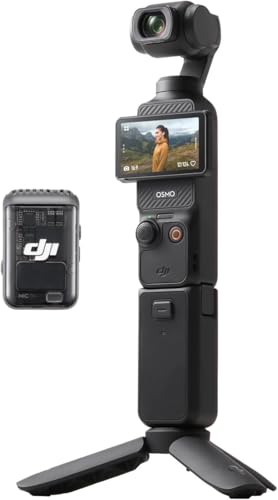
The Osmo Pocket 3 Creator Combo centers on a 1-inch CMOS sensor capable of 4K recording at up to 120 frames per second, delivering crisp, detailed footage even in challenging lighting. It includes tools for creators who want expressive control and professional audio capture, ensuring clear sound along with stable video. The camera supports versatile framing with a rotatable 2-inch touch screen for easy composition in both horizontal and vertical modes. Its 3-axis stabilization minimizes shake, making it suitable for dynamic shoots like dance or fast-moving subjects.
DJI Osmo Pocket 3

Same core capabilities as the Creator Combo in a streamlined package, the Osmo Pocket 3 features top-tier image quality with a 1-inch CMOS sensor and 4K/120fps capture. The built-in 2-inch touchscreen makes framing intuitive, whether vlogging, streaming, or capturing travel footage. The device emphasizes ultra-stable footage thanks to its mechanical 3-axis stabilization, allowing smooth results when moving through crowds, walking with pets, or capturing on-the-go moments. Fast focus and reliable tracking keep subjects crisp in busy environments.
Kodak PIXPRO FZ55-BK
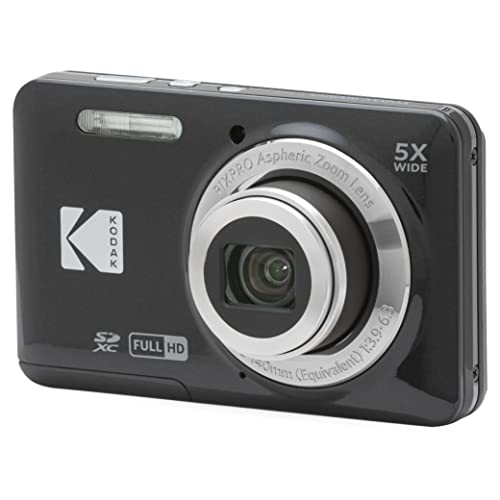
The Kodak PIXPRO FZ55-BK targets budget-minded creators who still want solid 1080p video and a fairly feature-rich compact camera. A 16-megapixel CMOS sensor provides respectable image quality for casual vlogging, with a 5x optical zoom covering broader scenes. Its 2.7-inch LCD reinforces quick framing and review on the go. While stabilization is largely electronic, the camera remains a practical choice for beginners seeking a compact device for daily videos and social uploads.
Xtra Muse
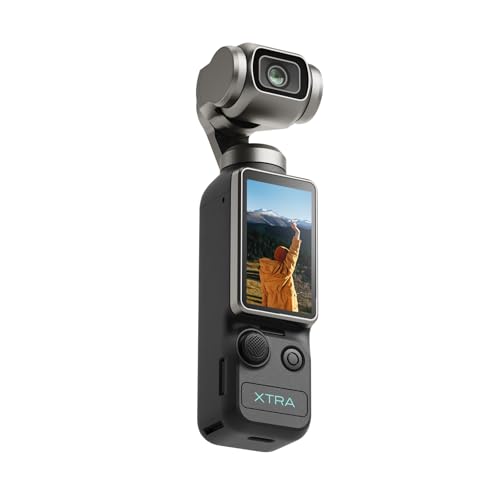
Xtra Muse combines a 1-inch CMOS sensor with 4K/120fps recording and a robust 3-axis gimbal stabilizer, delivering cinema-like stability in a pocket form factor. The 2-inch touch screen simplifies the user experience, enabling quick switching between horizontal and vertical framing. Fast autofocus and reliable face/object tracking help keep subjects in focus during active shoots, making it suitable for outdoor adventures, fast-paced vlogging, and documentary-style clips in motion-rich environments.
Blackmagic Design Pocket Cinema Camera 4K Power Bundle

The Blackmagic Pocket Cinema Camera 4K Power Bundle is built for serious video work, offering a 4/3” sensor with 4096 x 2160 resolution, 13 stops of dynamic range, and dual gain ISO up to 25,600. This kit supports a wide range of professional recording formats, including Apple ProRes and Blackmagic RAW, and accommodates external storage via USB-C. While it is heavier and more feature-rich than typical pocket cameras, it provides unparalleled post-production flexibility and image quality for indie filmmakers and editors seeking a robust workflow with DaVinci Resolve Studio access included in the package.
Buying Guide
Key considerations help distinguish pocket cameras for your needs. First, image sensor size and video capabilities matter: larger sensors and higher frame rates yield better low-light performance and smoother motion, especially at 4K/120fps. If you shoot in unpredictable settings, stabilization is critical—look for optical or mechanical stabilization to reduce shake during handheld filming. Autonomy and battery life should fit your shooting style; pocket cameras vary from extended 7-hour operation to shorter sessions with quick swappable batteries.
Another factor is form factor and usability. A flip or tilt touchscreen simplifies composition when you’re recording yourself or capturing tight spaces. Consider autofocus speed and subject-tracking features, which save time during fast-paced shoots. Audio is often overlooked; models with built-in mics or clean audio inputs enable better sound without a separate rig. Finally, consider your post-production workflow: some cameras output formats that integrate smoothly with popular editors, while others excel in RAW or high-bit formats for color grading.
Budget impacts your choice. Entry-level options like the Kodak PIXPRO FZ55-BK offer essential video tools at a modest price, while premium models from DJI and Blackmagic deliver advanced stabilization, higher dynamic range, and RAW/ProRes options for filmmakers. If you prioritize portability with strong stabilization for daily vlogging, the DJI Osmo Pocket 3 series stands out. For ambitious projects requiring maximum image control and post-production flexibility, the Blackmagic Pocket Cinema Camera 4K bundle provides a professional-grade workflow in a compact body.
Durability and ecosystem also matter. Consider accessory availability (microphones, lenses, stabilizers) and how well the camera integrates with your existing gear. Finally, reflect on your typical shooting environments: travel, indoor setups, or action-heavy scenes may demand different stabilization systems and durability standards.