Best Mirrorless Full-Frame Cameras for 2026 and Beyond
Choosing the right mirrorless full-frame camera involves balancing resolution, autofocus, video capabilities, and portability. This guide highlights five top choices from Sony, Canon, and Nikon to help American creators pick a model that fits photography, vlogging, and hybrid workflows. Each pick emphasizes image quality, reliability, and future-proof features.
style=”display:none;”>Summary of Chosen Products:
- Sony Alpha 7 IV – Sony
- Sony Alpha 7 V – Sony
- Canon EOS R8 – Canon
- Canon EOS R6 Mark II – Canon
- Nikon Z 5 – Nikon
Sony Alpha 7 IV Full-frame: Versatile Hybrid System

The Sony Alpha 7 IV combines a high-resolution 33MP full-frame sensor with a robust BIONZ XR image processor, delivering sharp stills and confident AF in various lighting. Its 4K 60p 10-bit 4:2:2 video with full pixel readout makes it a strong option for hybrid shooters who require post-friendly footage and reliable performance across stills and video. The system benefits from Sony’s extensive E-mount lens lineup and proven reliability in run-and-gun settings.
Sony Alpha 7 V: High-Speed Performance and Quality
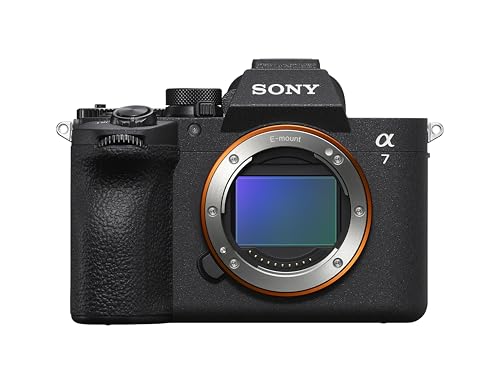
The Sony Alpha 7 V pushes performance with a partially stacked Exmor RS sensor and the BIONZ XR2 processor, enabling fast readout, up to 16 stops of dynamic range, and up to 30 fps blackout-free shooting with AF/AE tracking. It supports 4K at 120p for high-framerate video and includes real-time AI-based recognition and tracking. This camera targets enthusiasts seeking speed, depth, and advanced image processing in a compact body.
Canon EOS R8: Lightweight Full-Frame Power
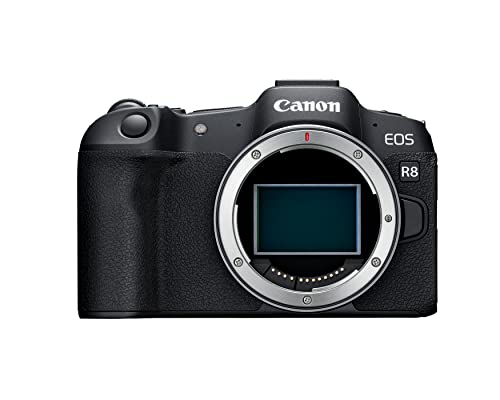
The Canon EOS R8 delivers a compact, approachable full-frame experience with a 24.2 MP CMOS sensor and the DIGIC X processor. It offers Dual Pixel CMOS AF II with broad subject detection and strong color rendering, making it a reliable option for creators who value a lighter setup without sacrificing Canon’s renowned color science. Its EVF and vari-angle touchscreen add to its appeal for travel and vlog work.
Canon EOS R6 Mark II: Action-Ready Performance

The EOS R6 II expands on Canon’s fast AF and low-light capabilities with a 24.2 MP full-frame sensor and the DIGIC X processor. It excels at high-speed continuous shooting, with robust AF tracking for action, sports, and wildlife. The camera balances performance and usability, making it a strong choice for photographers who need reliable, fast operation in various environments.
Nikon Z 5: Compact Full-Frame Versatility

The Nikon Z 5 emphasizes portability without compromising full-frame capability. Its 24.3 MP sensor delivers detailed images with strong color, while 4K/30p and 1080/60p video options meet everyday video needs. The Z mount ecosystem provides a growing range of lenses and adapters for versatility in travel, landscape, and portraits.
Buying Guide: Key Purchase Considerations
- Purpose and workflow: If you shoot a lot of video, prioritize models with high-quality 4K options, 10-bit color, and robust heat management. For wildlife or sports, autofocus speed and subject tracking are essential.
- Resolution vs. low-light performance: Higher resolution sensors like the 33MP on the Sony A7 IV offer more detail, but may require careful exposure management in low light. Balanced choices like 24–26 MP sensors can deliver excellent color and noise performance with broad ISO ranges.
- Autofocus and subject detection: Look for Real-time Eye AF, AI-based recognition, and fast frame rates. These features improve focus accuracy on humans, animals, and vehicles, especially in unpredictable environments.
- Lens ecosystem and portability: A strong lineup of native lenses affects long-term value. Consider kits that reduce weight for travel or provide specialized lenses for portraits, landscapes, or videography.
- Color science and ergonomics: Brand-specific color rendering can influence post-processing time. Ergonomics, menu navigation, and grip comfort impact day-to-day shooting, especially during long sessions.
- Video features and codecs: If you require robust internal recording, check for 10-bit 4:2:2, log profiles, and RAW capabilities, which preserve flexibility in post.
- Weather sealing and durability: For outdoor or travel use, consider build quality and weather sealing to withstand varying conditions.
These selections reflect a blend of stills quality, video capabilities, autofocus performance, and system versatility. Each model offers a distinct advantage, whether you prioritize speed, color accuracy, or portability. Users should align device features with their primary creative tasks, storage needs, and preferred lens ecosystems to maximize long-term value.