Best Mirrorless Cameras for 2026: Top Picks for Every Budget
Choosing the right mirrorless camera depends on your priorities—image quality, autofocus precision, video capabilities, and system flexibility. This guide highlights five standout options that cover a range of needs, from compact starters to high-end hybrids. Each product section explains core strengths drawn from their listed features, helping you compare at a glance and decide which system best fits your shooting style.
| Product | Brand | Key Strength |
|---|---|---|
| Canon EOS R50 | Canon | APS-C image quality with strong autofocus |
| Sony a7 III | Sony | Full-frame performance and speed |
| Canon EOS R100 | Canon | Compact, beginner-friendly 24 MP APS-C |
| Canon EOS R6 Mark II | Canon | Advanced speed and full-frame versatility |
| Nikon Z50 II | Nikon | APS-C with strong color and new presets |
The following sections review five prominent mirrorless models chosen for delivering strong performance across different photography and video scenarios. Each entry includes a direct link to the product page on Amazon, a visual, and a summary of the core features that support high-quality stills and video work.
Canon EOS R50 Mirrorless Camera With Kit

The Canon EOS R50 is built around a 24.2-megapixel APS-C sensor paired with the DIGIC X processor, delivering high image quality and detail. It supports fast continuous shooting, with up to 12 fps using an electronic first-curtain shutter and up to 15 fps with a fully electronic shutter, enabling strong performance for action and vlogging. The Dual Pixel CMOS AF II system covers a broad area with 651 AF zones and supports subject detection for people, animals, and vehicles, backed by deep learning technology for reliable tracking. This makes it well-suited for creators who need dependable autofocus in both photo and 4K video contexts. The kit’s flexibility supports everyday shooting, travel, and content creation tasks with a compact, user-friendly form factor.
Sony a7 III Full-Frame Mirrorless

Sony’s a7 III pairs a 24.2-megapixel full-frame sensor with robust performance features, including high dynamic range and the ability to capture in 14-bit RAW for flexible post-processing. The camera offers up to 10 frames per second with either silent or mechanical shutter and supports accurate AE/AF tracking, making it a core option for photographers who prioritize image quality, low-light performance, and versatile stills/video work. Its full-frame design and mature feature set have cemented the a7 III as a reliable workhorse for enthusiasts and professionals seeking a durable, all-round mirrorless system.
Canon EOS R100 Mirrorless Camera Kit

The Canon EOS R100 focuses on a compact, lightweight design with a 24.1-megapixel APS-C sensor and a DIGIC 8 processor, delivering solid image quality with improved performance and 4K video capability. Its smaller form factor makes it an approachable option for new photographers or travelers seeking a budget-friendly, easily portable system without sacrificing essential mirrorless features. The kit emphasizes mobility and approachable operation, suitable for casual shooters and beginners who want reliable Canon EOS R-series performance in a more compact package.
Canon EOS R6 Mark II Mirrorless Camera Kit

The Canon EOS R6 Mark II extends Canon’s full-frame hybrid capabilities with a 24.2-megapixel sensor, advanced DIGIC X processing, and a high ISO range. It supports high-speed continuous shooting at up to 12 fps with a mechanical shutter and up to 40 fps with an electronic shutter, enabling precise action capture and versatile video work. With RAW burst mode and pre-shooting features, this model caters to professionals who demand speed and image quality across stills and video, making it a strong choice for action, portrait, and documentary shooters alike.
Nikon Z50 II With Two Lenses

The Nikon Z50 II offers a 20.9-megapixel APS-C sensor with several automatic and preset color profiles designed to help users achieve appealing results with less effort. The camera provides strong autofocus, including subject detection and tracking, with a broad selection of Picture Controls to creatively shape images in real time. Its compact body and versatile kit lenses make it a practical option for travel, street photography, and beginner-friendly experimentation in both stills and video contexts.
Canon EOS R100 Double Lens Kit
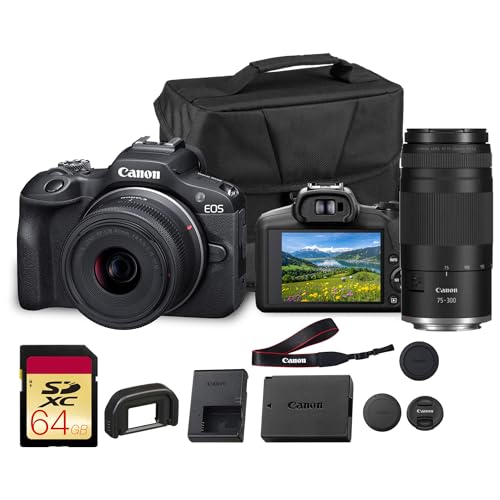
This kit combines the Canon EOS R100 with two versatile lenses: the RF-S 18-45mm f/4.5-6.3 IS STM for everyday versatility, and the RF 75-300mm f/4-5.6 for longer reach. The package emphasizes a complete beginner-friendly setup suitable for landscapes, portraits, travel, sports, and wildlife. The 24.2MP APS-C sensor with a DIGIC 8 processor supports high-resolution imaging and improved shooting functionality, enabling users to grow within the Canon R-series ecosystem while keeping equipment manageable and light.
Sony Alpha a6400
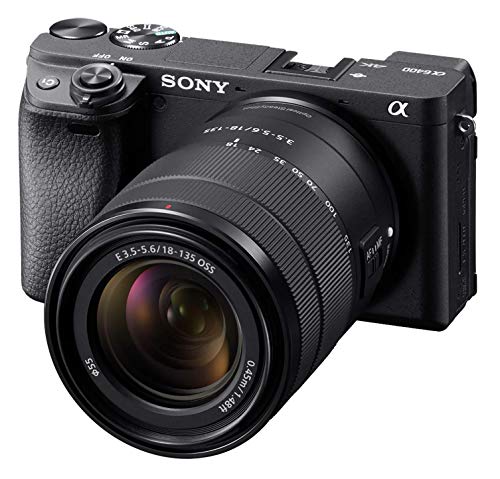
The Sony a6400 is part of Sony’s APS-C era with a focus on speed and real-time eye AF. It supports quick autofocus performance with a 0.02-second AF and broad subject-tracking points, enabling reliable performance for action and portrait work. At 24.2 MP, it delivers solid image quality, while real-time tracking and a compact body make it a versatile choice for enthusiasts who want strong performance without the heft of a full-frame system. The camera is well-suited to street and travel photography, as well as creators who require dependable autofocus across photo and video work.
Buying Guide: Key Purchase Considerations and Comparisons
- Sensor size and image quality: Full-frame sensors typically offer better low-light performance and depth of field control, while APS-C sensors provide compactness and cost efficiency. Consider your typical shooting scenarios and the impact on lens choices.
- Autofocus performance: Look for models with robust autofocus systems, real-time subject detection, eye tracking, and reliable tracking across moving subjects. This is crucial for portraits, wildlife, and action work.
- Video capabilities: For creators, 4K video, frame rates, crop factors, and autofocus stability are important. Consider whether you need clean HDMI output or advanced color profiles for grading.
- Lens ecosystem and future growth: A broad selection of lenses and third-party options affects long-term versatility. Systems with established lineups may offer better resale value and compatibility with accessories.
- Portability and ergonomics: Weight, grip comfort, and control layouts influence daily use. Beginners may favor lighter bodies, while professionals might prioritize weather sealing and durability.
- Battery life and power options: Check battery capacity and charging methods. Some kits include extra batteries or convenient USB-C charging solutions for on-the-go use.
- Budget and kit versatility: Starter kits with multiple lenses or essential accessories (bags, memory cards) provide immediate flexibility but may lead to higher upfront costs. Balance with long-term goals and future lens purchases.
- Image processing and RAW workflow: Processors influence color science, noise performance, and post-processing flexibility. Consider how easy it is to batch edit and how well the system integrates with your preferred software.
- System familiarity and learning curve: Some brands offer guided modes and tutorials, which can accelerate skill development for beginners while delivering powerful features for advanced users.