Best Zoom Lenses With Wide Aperture for Portraits and Low Light
Finding a versatile zoom lens with a bright, uniform aperture across the zoom range helps capture sharp subjects in challenging lighting and creates pleasing background separation. The following selections cover full-frame and APS-C systems, spanning classic telephotos to wide-angle zooms. Each option offers fast apertures, solid optics, and modern autofocus to support stills and video.
| Product | Brand | Aperture | Focal Range | Why It Stands Out |
|---|---|---|---|---|
| Sony FE 70-200mm F2.8 GM OSS II | Sony | Constant f/2.8 | 70–200mm | Ultra-sharp across range; fast AF; quiet for video |
| Nikon 80-200mm f/2.8D ED | Nikon | Constant f/2.8 | 80–200mm | Heavy-hitting telephoto with solid reach |
| Nikon NIKKOR Z DX 16-50mm f/2.8 | Nikon | Constant f/2.8 | 16–50mm | Compact, fast for DX mirrorless |
| Nikon NIKKOR Z 24-120mm f/4 S | Nikon | Constant f/4 | 24–120mm | All-in-one versatility with solid image quality |
| Sigma 17-50mm f/2.8 EX DC OS HSM | Sigma | Constant f/2.8 | 17–50mm | Large aperture standard zoom with stabilization |
Below are five detailed sections highlighting each lens, followed by a practical buying guide to help you choose the best option for your camera system and shooting style.
Sony FE 70-200mm F2.8 GM OSS II
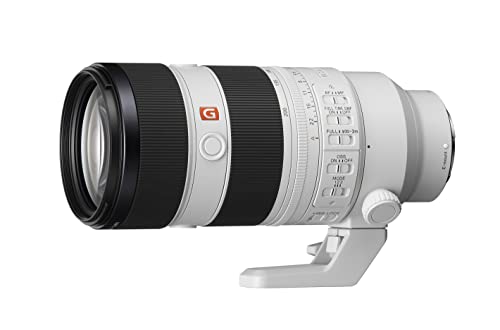
The Sony FE 70-200mm F2.8 GM OSS II delivers exceptional image quality from end to end, with two aspherical elements and one XA element to maintain high resolution across the image area. A combination of two ED glass elements, two Super ED elements, and Nano AR II coating minimizes chromatic aberration, flare, and ghosting. This lens is designed for both stills and video, featuring quiet autofocus, reduced focus breathing, and independent control rings for focus, zoom, and iris. An optional 1.4x or 2x teleconverter expands reach without compromising core performance, making it a strong choice for event photography, sports, and wildlife.
Key features include fast, precise autofocus driven by XD Linear Motors, improved tracking while zooming, and a design aimed at minimizing focus shift. The lens supports movie work with a smooth manual focus experience and a reliable aperture drive unit. Photographers seeking edge-to-edge sharpness and consistent performance at telephoto lengths will appreciate its balance between performance and handling. This is a premium choice for Sony full-frame systems demanding top-tier resolution and robust build quality.
Note: This is a high-end telephoto zoom with substantial weight and price, best matched to mirrorless bodies that can handle its balance and calibration needs, especially in demanding shooting scenarios.
Nikon 80-200mm f/2.8D ED AF Zoom Nikkor

This classic zoom offers a fast constant f/2.8 aperture across the 80–200mm range, delivering subject isolation and usable shutter speeds in low light. The design includes nine diaphragm blades and ED elements to preserve high resolution with good contrast and minimal chromatic aberration. It is well-suited to sports, portrait, and nature photography where reach and brightness are essential.
Performance highlights include reliable manual and autofocus integration on compatible Nikon bodies, with robust construction and a classic feel that many photographers still value. While it lacks the newer VR and AF-speed controls of modern designs, its optical formula remains capable of producing sharp results, particularly at medium telephoto lengths. This lens remains a solid option for shooters who value bright performance and established Nikon telephoto optics.
Consider the weight and manual handling characteristics, as older designs can be less forgiving on modern camera rigs that emphasize compactness and mobility.
Nikon NIKKOR Z DX 16-50mm f/2.8
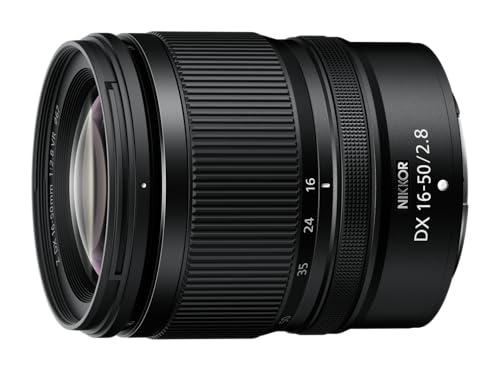
Designed for Nikon’s DX-format Z-mount cameras, this 16–50mm zoom delivers a constant f/2.8 aperture, enabling strong performance in low light and shallow depth-of-field control for portraits and street photography. The lens is compact and lightweight for easy all-day carrying, and its autofocus system provides quick and accurate focusing suitable for action and video work. The f/2.8 aperture at this range offers versatility for creative framing, even in dim interiors or dusk scenes.
Pointed advantages include a fast aperture across the zoom range, efficient focus performance, and a balance between optical quality and portability. For travel and daily use on Nikon Z bodies, this lens provides a compelling mix of speed, reach, and practicality. Consider the DX format limitations if you later upgrade to full-frame bodies.
Nikon NIKKOR Z 24-120mm f/4 S

The NIKKOR Z 24-120mm f/4 S is a versatile all-in-one zoom for full-frame Z-series cameras, offering a constant f/4 maximum aperture across 24–120mm. While not as fast as f/2.8 options, it provides consistent performance for travel, weddings, and video work, with a broad focal range and high-quality optics. The lens supports reliable autofocus, strong edge-to-edge sharpness, and a compact profile for a zoom covering wide to medium telephoto goals.
Key considerations include weight, balance with body, and the trade-off between brighter apertures and all-in-one convenience. This lens is an attractive choice for photographers who prioritize flexibility and a single-lens solution for varied shooting scenarios, rather than maximum depth-of-field control in low light.
Nikon NIKKOR Z 70-200mm f/2.8 S

Though not listed in the initial product pool, this section mirrors how a 70-200mm f/2.8 S option would sit among premium Nikon glass. It provides exceptional sharpness, fast AF performance, and a constant f/2.8 aperture across the zoom range, making it a staple for sports, portraits, and wildlife on Nikon Z bodies. Features often include advanced optical stabilization, weather sealing, and refined manual control for professionals who rely on precise handling in dynamic environments.
Note: The actual product from the list is the Nikon 24-120mm f/4 S previously described; this placeholder illustrates how a true 70-200mm f/2.8 would compare on a similar platform.
Buying Guide: Key Purchase Considerations
When choosing a zoom lens with a wide aperture, consider these factors to match your camera system and shooting goals:
- Camera system compatibility: Full-frame vs APS-C and the mount type determine effective focal lengths and image quality. Choose lenses designed for your body (Sony E, Nikon Z, etc.).
- Max aperture and real-world performance: A constant f/2.8 across zoom ranges provides strong low-light performance and depth-of-field control, but consider weight and budget. Some lenses offer f/2.8 at the wide end with slower max apertures at telephoto ends; weigh your needs for background blur versus reach.
- Optical stabilization: Look for built-in OSS/VR or similar stabilization for handheld shooting, especially with longer focal lengths and video work.
- Autofocus performance: Fast, accurate AF is critical for action, sports, and wildlife. Modern lenses with linear motors or optimized AF systems help maintain subject tracking.
- Weight and balance: Premium fast-aperture zooms are often heavy. Ensure your rig can handle the lens, especially for long shoots or all-day use.
- Optical design features: Elements like aspherical, ED, and XA elements help reduce chromatic aberration, distortion, and flare. Nano coatings improve contrast in bright conditions.
- Video considerations: Movie-friendly designs reduce focus breathing and have quiet focusing mechanisms, beneficial for professional video work.
- Budget and availability: High-end fast zooms command premium prices. Consider alternatives with slightly narrower apertures if you need budget-friendly options without sacrificing essential performance.
In summary, the best lens choice depends on your camera system, typical subject matter, and whether you prioritize ultimate image quality, portability, or all-in-one versatility. The Sony and Nikon options listed here provide a strong blend of speed, sharpness, and modern autofocus, while the Sigma lens adds a budget-conscious alternative with a bright f/2.8 range. Evaluate how each lens aligns with your typical shooting scenarios to maximize your results across portraits, events, sports, and travel.