Best 70-300mm Zoom Lenses for Sony, Nikon and Canon
Telephoto zoom options in the 70-300mm range deliver versatile reach for travel, wildlife, sports, and portrait work. They offer a practical balance of weight, budget, and performance, making them popular across brands. This guide highlights five well-regarded choices across major camera ecosystems, emphasizing portability, image quality, and autofocus reliability. Each lens suits different cameras and shooting styles, helping you find a 70-300mm option that fits your system and subjects.
Below is a quick side-by-side overview of the five selected lenses, followed by in-depth sections for each model. The focus is on real-world usability, including how each lens behaves on its respective camera body, what kind of subjects it excels with, and who will benefit most from its strengths.
| Product | Brand | Mount/Format | Key Benefit |
|---|---|---|---|
| Tamron 70-300mm Di III RXD for Sony | Tamron | Sony E-mount (Full-Frame/APS-C) | Lightweight telephoto with up-close performance |
| Nikon AF-P DX NIKKOR 70-300mm VR | Nikon | Nikon DX | Vibration Reduction and fast AF |
| Canon EF 70-300mm USM | Canon | Canon EF | USM autofocus with 3-stop IS |
| Tamron 70-300mm Di III RXD for Nikon Z | Tamron | Nikon Z | Lightweight, sharp for mirrorless Z bodies |
| Sony FE 70-300mm G OSS | Sony | Sony E-mount | G-Series optics with OSS stabilization |
Tamron 70-300mm For Sony Mirrorless

Tamron’s 70-300mm F/4.5-6.3 Di III RXD for Sony mirrorless emphasizes portable telephoto performance. The design targets Sony full-frame and APS-C E-mount cameras, making it a versatile option for travelers who want to carry less without sacrificing reach. The lens is renowned for its lightweight construction, which reduces fatigue during long shoots, making it a strong companion for street photography, nature walks, and casual wildlife sessions.
Optical performance is tuned to balance sharpness and contrast across the zoom range. With 15 elements in 10 groups, it preserves image quality while enabling creative flexibility at both ends of the zoom. The RXD motor provides quiet, fast autofocus—helpful when following subjects in motion. Close-focusing performance is notable as well, delivering solid magnification for closer-in portraits or daytime wildlife shots. The lens also carries Tamron’s extended warranty, offering extra confidence for frequent shooters who rely on a single versatile lens.
Who should buy this lens? Sony shooters who prioritize portability and all-day comfort, travelers who want a capable telephoto without carrying a heavy kit, and enthusiasts seeking a budget-friendly option that still delivers solid optical results. It’s an excellent pairing for Sony mirrorless bodies when you need reach without a big footprint.
Nikon 70-300mm DX VR Lens

This Nikon 70-300mm DX VR lens targets Nikon DX-format DSLRs with a generous telephoto range and built-in vibration reduction. It’s a practical choice for beginners and hobbyists who want a flexible long lens for wildlife, sports, and travel without venturing into pricier glass. The internal focusing system helps keep the lens length stable during focusing, and the VR system reduces camera shake, enabling steadier handheld shots in varied light conditions.
Autofocus is designed to be smooth and relatively quick on compatible bodies, aided by the stepping and silent motors common to Nikon’s mid-range telephotos. The minimum focus distance sits in the range that’s useful for mid-range subjects, helping you fill the frame with closer details when needed. The dual benefit of a broad focal range and VR makes it a reliable all-around option on many Nikon DX cameras, especially for enthusiasts expanding from a 18-55mm kit.
Ideal for Nikon users who shoot on entry- to mid-level DX bodies, this lens combines value with practical performance. It suits family events, park wildlife, and local sports where a longer reach can make a noticeable difference without the need for more expensive, heavier options.
Canon 70-300mm USM Lens

Canon’s EF 70-300mm USM offers a practical and affordable reach for Canon EOS SLR shooters. The USM (Ultra Sonic Motor) provides fast, silent autofocus, which is advantageous for sports and wildlife when quick subject acquisition matters. The lens includes 3-stop image stabilization, helping to keep shots steadier at longer focal lengths, especially in lower light where slower shutter speeds may be required.
With a macro focus option at 1.50 m, the Canon lens also delivers some magnification for closer subjects, which can be useful for capturing details in flowers or insects from a moderate distance. The Electro-Magnetic Diaphragm (EMD) feature contributes to consistent exposure in varied lighting, aiding photographers who rely on reliable, predictable performance across sessions.
This Canon option is well-suited for EOS film-era and digital SLR users who want an affordable, versatile telephoto that can handle a range of subjects—from portraits with pleasing background separation to distant action in sports and nature.
Tamron 70-300mm For Nikon Z

The Tamron 70-300mm for Nikon Z brings a lightweight solution to Nikon’s full-frame mirrorless line. Marketed as the world’s lightest and most compact telephoto zoom in its class, it offers a compelling balance of reach and portability for Z series shooters. The optical design features 15 elements in 10 groups, designed to maximize sharpness and contrast across the zoom range, while maintaining a small footprint that appeals to photographers who travel light.
In terms of performance, this lens provides strong close- and mid-range performance, making it suitable for street photography, wildlife glimpses, and travel scenes where you want to stay agile. The combination of compact design and solid optical quality makes it a practical option for photographers who prefer mirrorless bodies and want a focused, everyday telephoto lens without adding substantial bulk to their kit.
Target users are Nikon Z mirrorless shooters who value portability and sharp results, particularly those who photograph everyday scenes, nature, and candid moments where range and speed matter.
Sony 70-300mm G OSS Lens
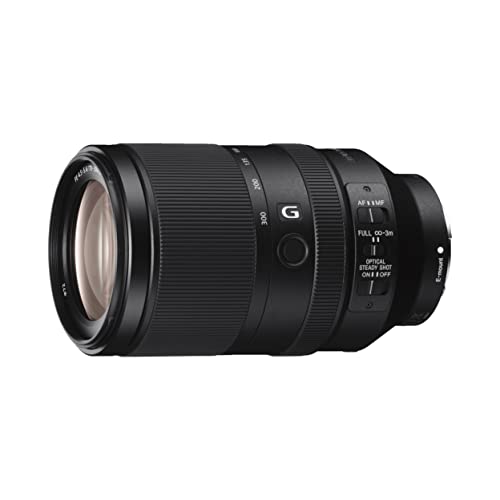
Sony’s FE 70-300mm G OSS lens is a G-series telephoto option with Optical SteadyShot built in. It’s designed for Sony’s full-frame E-mount bodies but also performs well on APS-C bodies, offering a versatile 70-450mm equivalent range. The lens features Nano AR Coating and multiple aspherical and low-dispersion elements to minimize aberrations and maintain clarity across the frame. An fast linear AF motor ensures quick, quiet focusing for action and wildlife work.
Portability and usability are major strengths here. The OSS stabilization helps keep shots sharp at slower shutter speeds, and the lens’ design includes direct control switches and user-friendly ergonomics. This makes it a strong all-around choice for Sony shooters who want reliable performance in a mid-tele lens without stepping up to heavier, more expensive glass.
In practice, the 70-300mm G OSS shines for travel, sports, and portrait sessions where DSLR-style focal lengths meet a modern mirrorless body with strong stabilization and autofocus performance. It’s well-suited for enthusiasts and professionals alike who are invested in the Sony ecosystem.
Buying Guide
Choosing the right 70-300mm zoom depends on your camera system, shooting style, and mobility needs. Here are key considerations to help you compare options across brands:
- Camera system compatibility: Ensure the lens mount matches your body (Sony E-mount, Nikon F-mount, Canon EF, or Nikon Z). Consider whether you shoot on full-frame or APS-C, as some lenses offer different field-of-view on each format.
- Autofocus performance: Look at motor type and speed. For action and wildlife, faster AF and silent operation help keep subjects in frame without distracting noise.
- Image stabilization: Lenses with OSS, VR, or IS help shoot handheld at longer focal lengths. Check the stabilization strength and whether it complements your camera’s sensor-based stabilization, if any.
- Aperture and light gathering: Most 70-300mm lenses use variable apertures (f/4.5-6.3, f/4.5-5.6, etc.). Wider maximum apertures improve low-light performance and background blur, but at a higher cost and weight.
- Weight and balance: Portability matters for travel and street shooting. Lighter lenses reduce fatigue, especially when carried for extended periods.
- Minimum focusing distance and magnification: Closer focusing allows you to fill the frame with smaller subjects, such as flowers or insects, at the wide end, while telephoto magnification is valuable for distant subjects.
- Image quality across the zoom range: Consider sharpness, contrast, and distortion control at both ends of the zoom. Some lenses perform very well in the center but show noticeable corner softness or distortion at wide or tele ends.
- Build quality and weather sealing: If you shoot in challenging conditions, a robust build and weather sealing can matter for longevity and reliability.
- Front element size and filter compatibility: A larger filter size increases cost but can improve longevity. Check whether the lens accepts standard or specialty filters.
- Warranty and service: Some brands offer longer warranties or robust service programs, which can be a deciding factor for frequent shooters.
- Use-case alignment: If you shoot mainly portraits, wildlife, or travel, certain focal lengths and stabilization setups may align better with your workflow. For Sony and Nikon mirrorless users, a lightweight option often pairs best with all-day carrying needs, while Canon users may prioritize USM speed and IS performance for events.