Wide-angle lenses open vistas that standard lenses can’t, letting you capture expansive skies, dramatic horizons, and interior spaces in a single frame. This guide highlights five versatile wide-angle landscape lenses across Canon, Sony, Rokinon, and OM System, balancing image quality, size, and value. Whether you shoot with Canon, Sony, or Micro Four Thirds bodies, the options below cover zooms and primes suitable for stills and video alike. Each entry links to an Amazon listing for quick evaluation. The summary table nearby provides quick takeaways, and the Buying Guide below helps you compare options by sensor size, field of view, and handling needs.
| Product | Brand | Key Benefit |
|---|---|---|
| Canon RF-S 10-18mm Ultra-Wide Zoom | Canon | Compact APS-C ultra-wide with stabilization |
| Canon RF16mm F2.8 STM | Canon | Bright ultra-wide prime with smooth AF |
| Sony FE 20mm F1.8 G | Sony | Fast, compact full-frame ultra-wide |
| Rokinon AF 14mm F2.8 | Rokinon | Budget-friendly ultra-wide with wide field |
| OM System M.Zuiko 12mm F2.0 | OM System | Quiet, fast wide for Micro Four Thirds |
Canon RF-S10-18mm F4.5-6.3 Is STM Ultra-Wide Zoom

This Canon kit is designed for EOS APS-C mirrorless bodies, offering a versatile 10-18mm focal range (16-29mm equivalent). The ultra-wide perspective is ideal for cramped interiors, sweeping landscapes, and dramatic architectural shots, where you want both foreground detail and expansive background in one frame. Its stabilization helps when shooting handheld video or in low light, reducing camera shake by up to a full stop or more depending on body compatibility. The compact design keeps it portable for travel and fieldwork.
With a compact build and lightweight handling, this lens stays well-suited for vlog-style shooting as well as landscapes and interiors. It emphasizes ease of use in tight spaces, making it popular for travel photographers who need flexibility without bulk. The 10-18mm zoom range provides versatility from wide room interiors to expansive skies, while maintaining autofocus performance tuned for video and stills alike.
- 10-18mm focal range (16-29mm equivalent)
- Ultra-wide angle for landscapes and interiors
- 4.0 stops of shake reduction
- Compact and lightweight for travel
Canon RF16mm F2.8 STM Lens Ultra Wide-Angle Prime

Canon’s first ultra-wide fixed focal-length RF lens pairs a compact form with a bright f/2.8 aperture. This prime delivers high edge-to-edge sharpness and a distinct ultra-wide field that’s ideal for dramatic landscapes, architecture, and astrophotography. The stepping motor (STM) offers smooth and quiet continuous autofocus during video, making it a strong choice for run-and-gun documentary work or travel storytelling. The overall weight and size are favorable for shooters who want a lightweight prime without sacrificing image quality at wide angles.
In practice, the RF16mm F2.8 is a great pairing for full-frame Canon R-series bodies or crop-sensor users seeking a dedicated ultra-wide prime with reliable AF performance. It shines in bright daylight and low-light scenes where the lens’ fast aperture supports faster shutter speeds and shallower depth of field control for creative composition. The compact design reduces fatigue during long shoots and hikes where a portable setup matters most.
- Ultra-wide fixed focal length
- Bright f/2.8 maximum aperture
- First ultra-wide RF prime from Canon
- Smooth, quiet STM for video
Sony FE 20mm F1.8 G Ultra-Wide Prime
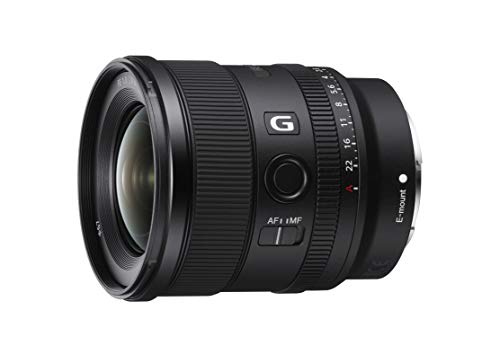
The Sony FE 20mm F1.8 G is a compact, lightweight ultra-wide designed for full-frame Alpha cameras. Its large F1.8 maximum aperture delivers impressive low-light performance and a shallow depth of field when desired, while still providing a broad 20mm field of view for landscapes, architecture, and astrophotography. The lens is praised for sharp imagery across the frame with minimal distortion, making it a reliable choice for travel and everyday photography where space and weight matter.
With a modern optical design and a robust build, this lens balances performance and portability. It’s well-suited for shooters who require quick, accurate autofocus during dynamic scenes, as well as for videographers who benefit from smooth focusing with minimal breathing. The combination of an ultra-wide angle, bright aperture, and a compact form makes it a versatile option for landscape work and beyond.
- F1.8 maximum aperture
- Compact, lightweight design
- Sharp, low distortion across the frame
- Suitable for full-frame and APS-C cameras
Rokinon AF 14mm F2.8 Ultra Wide Angle Lens

The Rokinon AF 14mm F2.8 is a broad, multi-format ultra-wide designed for Canon EF full-frame and APS-C bodies. The lens offers a very wide field of view (about 116.6 degrees on full-frame) ideal for landscapes, architecture, and starry skies. It incorporates a high-performance optical design with ED and aspherical elements to minimize distortion and chromatic aberration, while the bright F2.8 aperture provides strong performance in low light and broad creative control over depth of field. The built-in hood helps reduce flare in bright conditions.
Engineered for versatile field use, this lens pairs a wide angle with solid control over distortions, making it a popular option for budget-conscious shooters who still demand sharp landscapes and interiors. Its weather-sealed construction adds durability for outdoor photography and travel where conditions vary. The AF system is designed for quiet operation, which is beneficial for both stills and video projects.
- Canon EF full-frame and APS-C compatibility
- 116.6° angle of view (full-frame)
- F2.8 aperture; ED and aspherical elements
- Weather-sealed body with quiet autofocus
OM System OLYMPUS M.Zuiko Digital ED 12mm F2.0
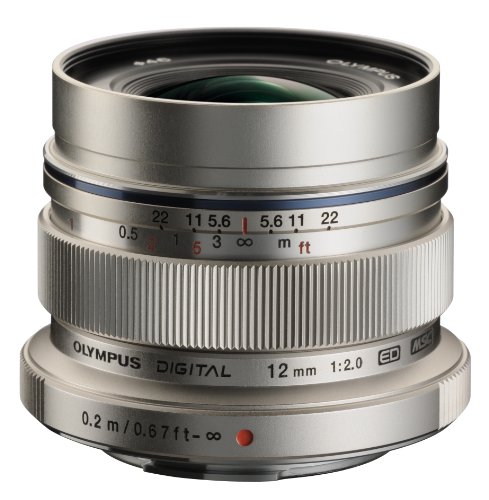
The M.Zuiko 12mm F2.0 is an ultra-wide prime for Micro Four Thirds cameras, delivering a 24mm-equivalent field of view with a fast f/2.0 aperture. Its compact, lightweight profile makes it a favorite for travel, street, and landscape work where you want a broad perspective without sacrificing portability. Not zoomable, this lens emphasizes sharp center-to-edge performance and low-light capability, helping with starry skies and moody landscapes on MFT bodies.
Its design focuses on enabling immersive wide-angle perspectives with strong performance in daylight and night scenes alike. The relatively small size aids portable setups for hiking and city exploration, while the bright aperture provides flexibility for creative compositions, shallow depth of field in urban scenes, and astrophotography where a wide field is key.
- 24mm equivalent for Micro Four Thirds
- Fast f/2.0 aperture
- Not zoomable; compact and lightweight
- Ideal for landscapes, night skies, and interiors
Buying Guide
Choosing the right wide-angle landscape lens depends on your camera system, shooting style, and preferred balance between flexibility and image quality. Consider sensor size and mount compatibility first, then weigh focal length options against your typical subjects—cozy interiors, vast horizons, or star-filled skies. Below are practical considerations to help you compare the five lenses featured above.
- Sensor size and mount compatibility: Full-frame lenses (Sony 20mm, Rokinon 14mm) unlock the widest field of view on their respective bodies, while Canon RF-S and M.Zuiko are optimized for APS-C and Micro Four Thirds systems, respectively. Align your choice with your camera ecosystem.
- Focal length and field of view: Wider primes (12–14mm) deliver dramatic panoramas but require careful composition to avoid distortion; zoom lenses like 10–18mm provide flexibility for varying scenes without changing lenses.
- Aperture and low-light performance: Lenses with larger apertures (F1.8–F2.0) excel in low-light conditions and allow for selective depth of field. However, extremely wide angles can introduce more distortion that must be managed in post.
- Image stabilization: On-body stabilization pairs with stabilized lenses (like the Canon RF-S 10-18mm) to improve handheld video and stills, especially in low light. Consider whether stabilization is a priority for your typical shooting environment.
- Optical quality and distortion: Primes like the Canon RF16mm F2.8 and Sony FE 20mm F1.8 G typically deliver higher corner sharpness and less distortion at extreme angles than some zooms; however, modern zooms offer practical versatility.
- Autofocus speed and video performance: For vlog and travel work, responsive AF and quiet operation during video capture matter. Lenses with STM or similar AF systems are advantageous in video workloads.
- Weight and portability: Travel photographers benefit from compact, lightweight designs. If you hike with gear, the balance between weight and reach is crucial for comfort and stability during long shoots.
- Durability and weather resistance: Outdoor landscapes often demand weather-sealed bodies and lenses. Consider sealed designs or weather resistance, especially for environments with dust or moisture.
- Value and ecosystem: Depending on your existing lenses and bodies, investing in a widely compatible, high-quality lens can maximize long-term value. Consider future body upgrades and whether you want one versatile zoom or a dedicated fast prime for low light.
- Use-case scenarios: Document travel interiors with the Canon RF-S 10-18mm for its flexibility; pursue astrophotography using the Sony or Rokinon wide primes; or pursue ultra-compact solutions with OM System’s 12mm for street and landscapes on Micro Four Thirds.
Across these lenses, the choice ultimately comes down to your camera system, preferred shooting style, and whether you value raw flexibility (zoom range) or maximal light-gathering capability (fast primes). The selection above covers a spectrum from ultra-wide primes to versatile zooms, providing robust options for landscapes, architecture, interiors, and even aerial photography when paired with compatible bodies. By aligning focal length, aperture, and weight with your typical environments, you can assemble a compact, capable kit tailored to your landscape work.