Best Wide Angle CCTV Lens Solutions for Home or Business Surveillance
Answering the need for expansive, clear coverage, these wide angle CCTV lenses are designed to maximize scene capture with minimal distortion. They’re ideal for indoor spaces, storefronts, parking areas, and large rooms where a single camera should monitor a broad area. The top picks below are best for different setups: entry-level installers, small-business owners needing easy upgrades, and more demanding surveillance projects requiring high resolution and panoramic views. See the quick comparison table to identify the best fit for your space.
| Product | Best For | Notes |
|---|---|---|
| Real HD 1080P 2MP 180° | Entry-level or DIY setups with TVI/AHD/CVI compatibility | 4 in 1 output; 1.8mm lens; indoor/outdoor use |
| Dahszhi 1.7mm 180° Fisheye | Panoramic indoor setups needing minimal hardware | HD 5MP; rugged build; IR blocking |
| ANNKE 5MP Dual-Lens 180° | Existing ANNKE DVR systems; panoramic detail | 130dB WDR; 3D DNR; add-on camera |
| Dioche 1.8mm 180° Fisheye | Wide-angle panoramas for CCTV with easy mounting | M12x0.5 thread; 5MP; metal body |
| Sonew 1.8mm 180° | Budget-friendly fisheye for broad areas | 1/3″ and 1/4″ CCD; fixed M12x0.5 |
Real HD 1080P 2MP 180° Wide Angle Lens
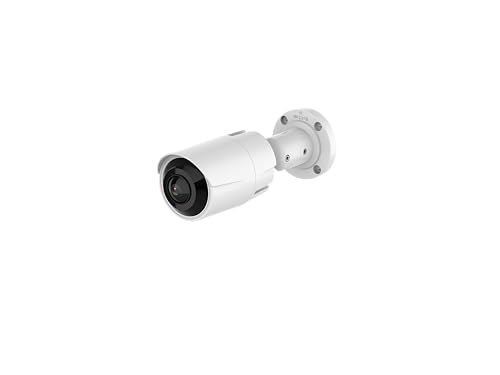
Best for entry-level setups that require true 180° coverage and flexible video outputs. The 1.8mm lens provides a wide field of view, while the 2MP 1080P sensor ensures clearer images for indoor or outdoor monitoring. The camera supports 4 video output modes: TVI, AHD, CVI, and 960H CVBS, making it adaptable to older DVRs or modern hybrids. Ideal for small shops, hallways, or home entrances where a single camera should cover a wide area.
Who it’s for: beginners or homeowners upgrading an existing analog system without replacing the DVR. Why selected: compatibility with multiple outputs reduces the need for new recorders and keeps installation simple. Caution: 20m night vision is possible, but performance depends on lighting and IR conditions.
1.88mm Mini Fisheye Lens, 5MP Wide Angle

Best for compact installations needing a compact fisheye lens. With a 1.8mm focal length equivalent, it delivers a broad 180° field of view and supports cameras with 1/3″ or 1/4″ CCD chipsets. The metal construction suggests durability and steady performance in varied environments. Useful for small retail interiors, kiosks, or office lobbies where a discreet, wide-angle lens is advantageous.
Who it’s for: installers prioritizing a compact, versatile fisheye solution. Why selected: wide view with broad chipset compatibility; caution: the listed features emphasize general use, so verify your camera’s threading and sensor size before purchasing.
Dioche 2.1mm CS Mount Wide Angle Lens

This CS-mount lens provides a clear 2.1mm focal length for a wider field of view without vignetting, suitable for 3MP cameras. It emphasizes a balance of image clarity and broad coverage, making it apt for home security, small offices, or storefronts where detail matters alongside wide coverage. Best for users upgrading an existing CS-mount camera without changing the housing or mount.
Who it’s for: users needing a straightforward, mid-range wide-angle solution. Why selected: good balance between wide coverage and image quality; caution: not all cameras support 3MP sensors, verify compatibility before buying.
Sonew 1.8mm 180° Wide Angle Board Lens

Best for budget-conscious installations seeking a broad panorama with fixed focus. The 1.8mm focal length and fixed M12x0.5 thread simplify mounting on many CCTV cameras. It supports 1/3″ and 1/4″ CCD chipsets with F2.0 aperture for decent low-light performance in panoramas. Ideal for straightforward, economical surveillance projects.
Who it’s for: budget projects or quick upgrades. Why selected: low price point combined with a wide field of view; caution: fixed focus means less flexibility for focus tuning after installation.
Dioche 1.8mm 180 Fisheye Lens

Best for wide panoramic coverage with a robust build. The 1.8mm fisheye lens supports 1/3″ and 1/4″ CCDs with an F2.0 aperture, delivering a broad field of view and relatively good color capture in varied lighting. The aluminum housing adds durability for rough environments. This lens is suitable for larger indoor spaces like warehouses or open floor plans.
Who it’s for: those needing a rugged, wide panorama at a reasonable price. Why selected: strong build and wide 180° coverage; caution: fisheye distortion can complicate detail capture at the edges, plan positioning accordingly.
MOKOSE 3.2mm CS-Mount Lens

Best for mid-range telecentric views with low distortion. The 3.2mm fixed focal length is suited to standard surveillance distances, offering a wide angle with relatively less distortion than shorter focal lengths. It uses CS-Mount, easy to install, and supports 12MP resolution in some configurations. A practical choice for broader views in offices or retail spaces.
Who it’s for: camera operators needing predictable focal length and reliable image fidelity. Why selected: low distortion and easy CS-mount installation; caution: higher focal length reduces the overall scene coverage compared with 1.8–2.0mm lenses.
Buying Guide: Key Factors for Wide Angle CCTV Lenses
What coverage do you really need?
Measure the area to monitor and determine how much of the scene you need in frame. A 180° lens covers a wide area but edges may appear distorted; consider fisheye lenses for panoramic ceilings or corners, and pair with additional cameras for complete coverage.
Which mounting and compatibility matter?
Check the lens thread type (M12x0.5 vs CS-Mount) and sensor compatibility (1/3″, 1/4″, 2/3″ or 1/2.3″). Ensure the lens fits your camera’s lens mount and resolution. Choose lenses that match your DVR or NVR inputs (TVI, AHD, CVI, CVBS) when using older equipment.
What about image quality and distortion?
Short focal lengths yield wider views but can introduce edge distortion and vignette. Look for lenses with low distortion specs and good color reproduction. For security footage, prioritize sharper center details if faces or license plates are a goal.
How does this perform in low light?
Many wide angle lenses have an aperture around F2.0. In dim spaces, this helps but you may still need supplemental lighting or infrared for night use. Consider lenses with IR-friendly coatings or integrated IR illumination compatibility if required.
Durability and installation considerations
Metal housings offer durability for outdoor or industrial settings. Verify IP ratings if you expect exposure to weather. Confirm mounting height and camera angle to optimize coverage and minimize blind spots.
What is the best value choice?
Balance price, installation ease, and camera compatibility. For straightforward upgrades to existing analog systems, select lenses with multi-output compatibility or CS-mount options for flexibility. For new installations, prioritize higher resolution support and wider coverage with lenses designed for your camera sensor size.
Practical tips for setup
- Position cameras high enough to avoid tampering, but low enough to capture clear faces or identifiers when possible.
- Use a test pattern or doorway entries to verify distortion and coverage before final mounting.
- Document the exact lens model and mount configuration for future maintenance or replacements.
FAQ
- What does a 180° wide angle lens mean for surveillance?
It means the lens can capture nearly an entire scene from side to side, reducing the number of cameras needed for broad coverage. Edge distortion may occur, so plan placement accordingly.
- Are fisheye lenses better than standard wide-angle lenses?
Fisheye lenses offer more expansive views but can introduce significant distortion. They’re great for panoramas; standard wide-angle lenses provide less distortion and easier detail capture.
- Can these lenses work with any DVR/NVR?
Compatibility depends on the camera’s mount and the system’s input type (TVI, AHD, CVI, CVBS). Confirm supported output modes and sensor size before purchasing.
- How important is aperture for night surveillance?
A smaller f-number (like F2.0) improves light intake but may still require IR or supplemental lighting for very dark environments.
- Should I choose a CS-mount or M12 mount?
The choice depends on your camera body. CS-mount lenses fit standard CS-mount cameras; M12 is common for compact, board-style cameras and some budget models.