Video cameras demand reliable memory cards with fast read/write speeds and ample capacity to handle 4K and high-bitrate footage. This guide highlights five high-performance options that balance speed, durability, and value. Each card is designed to reduce buffering, speed up offloads, and withstand field conditions. Below is a quick snapshot, followed by in-depth details for each card and practical buying guidance.
| Product | Brand | Capacity | Speeds (Read/Write) | Best For |
|---|---|---|---|---|
| SanDisk Extreme Pro 128GB SD Card | SanDisk | 128GB | Up to 200 MB/s read • 90 MB/s write | 4K recording and fast offloads |
| SanDisk Extreme 256GB SD Card | SanDisk | 256GB | Up to 180 MB/s read • Up to 130 MB/s write | High-capacity 4K and bursts |
| Gigastone 256GB SD Card | Gigastone | 256GB | Up to 100 MB/s | 4K UHD and Canon cameras |
| PNY Elite-X 256GB SDXC | PNY | 256GB | Up to 100 MB/s | Photography and 4K videography |
| Speederlash 128GB Micro SDXC | Speederlash | 128GB | Up to 90 MB/s | Micro SD use with adapters |
SanDisk Extreme Pro 128GB SD Card
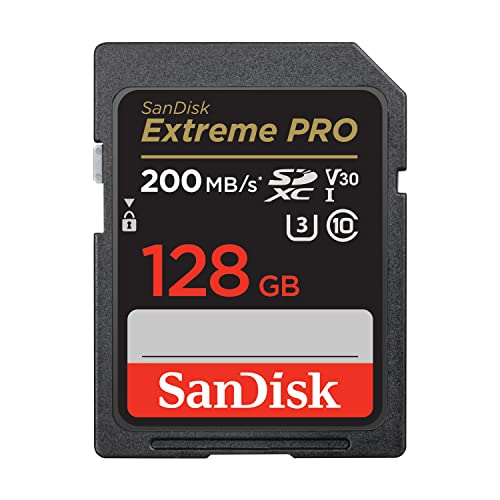
The SanDisk Extreme Pro 128GB SDXC card supports card-offload speeds up to 200 MB/s, powered by SanDisk QuickFlow Technology. It delivers shoot speeds up to 90 MB/s writes, enabling smooth 4K capture and reliable buffering control in demanding shoots. This card is designed to pair with high-performance readers, such as SanDisk Professional PRO-READER SD and microSD, to reach maximum speeds where the host device allows. Real-world speeds can vary by device and conditions.
Ideal for professional videographers using cameras that can leverage UHS-I performance, this card emphasizes fast offloads to reduce downtime between takes. Its 128GB capacity is often sufficient for episodic shoots or longer sessions when multiple takes are needed. Pairing with a capable reader can unlock even higher sustained transfers, supporting efficient post-production workflows.
SanDisk Extreme 256GB SD Card

The SanDisk Extreme 256GB SDXC card is built for high-speed performance, offering up to 180 MB/s read and up to 130 MB/s write speeds. It’s designed to handle 4K video and high-bitrate recording with reliability, making it a strong choice for professional cameras and action setups where large file sizes are common. The card is compatible with devices supporting UHS-I speeds and C10/U3/V30 to ensure video integrity throughout extended shoots.
With a large capacity, this card helps reduce the number of swap-outs on longer shoots, while its performance characteristics help maintain steady frame rates and minimize dropped frames. It’s suitable for enthusiasts and professionals who need dependable memory for 4K content without frequent interruptions during capturing sessions.
Gigastone 256GB SD Card 4K

The Gigastone 256GB SD Card offers up to 100 MB/s data transfer speed and is designed for 4K UHD video compatibility. It comes in a full-sized SD format and is marketed as a solid option for Canon digital cameras and other devices that benefit from reliable sustained performance. The included compact case helps protect the card when traveling between shoots.
For footage-heavy projects, this card provides a balance of capacity and speed suitable for standard 4K recording workflows. It’s a favorable choice for producers who require dependable storage with adequate transfer rates for quick post-production access and backup on-location shoots.
PNY Elite-X 256GB SDXC Card

The PNY Elite-X 256GB SDXC card features a Class 10 U3 and V30 rating with read speeds up to 100 MB/s, aligning with 4K Ultra HD recording requirements. It’s positioned for photography and videography enthusiasts who need dependable performance in mid-range gear. The card’s robust build supports everyday field use and quick file transfers to editors or external drives.
Users should expect solid durability and consistent performance across a range of devices. While read speeds meet typical 4K capture needs, real-world results will depend on the host camera’s compatibility with UHS-I speeds and the card reader’s capabilities. This makes the Elite-X a practical, budget-conscious option for sustained 4K projects.
Speederlash 128GB Micro SDXC

Speederlash’s 128GB Micro SDXC card delivers up to 90 MB/s read speeds and includes an adapter for broader compatibility. It’s designed for devices that support microSD cards, including security cameras, dash cams, and action cameras that accept microSDXC storage. The card is advertised with durability features like water resistance and general protection, making it a reliable option for on-the-go shooting scenarios.
While its performance is solid for many microSD applications, remember that 4K recording may push microSD cards toward higher write demands. The included adapter and compatibility with a wide array of devices make this card a versatile choice for users who need flexible memory options in a compact form factor.
Buying Guide
When choosing memory cards for video work, several considerations help ensure you pick the right tool for the job. Below are key purchase factors and how they apply across the sample cards above.
- Capacity needs: For long shoots or 4K projects with frequent takes, 256GB cards reduce swapping compared with 128GB cards. However, 128GB options can be sufficient for shorter sessions or backup recordings.
- Speed class and real-world performance: Look for UHS-I speeds with C10/U3 and V30 ratings for reliable 4K capture. Read speeds matter for rapid offloads, while write speeds determine sustained recording without dropped frames.
- 4K compatibility and sustained performance: Cards advertised as 4K/UHD compatible usually offer higher sustained write speeds to support high-bitrate footage without stuttering.
- Durability and environmental tolerance: Many cards advertise waterproofing, shock resistance, and X-ray protection. For field shoots, durability reduces the risk of data loss due to rough handling.
- Device compatibility and readers: Speeds are often limited by the camera’s internal controller and the reader. Peak performance requires a host device and reader that can support the card’s maximum speeds.
- Brand reliability and data recovery: Reputable brands often provide robust warranties and recovery options in case of data loss. Consider extended recovery services if your workflow includes irreplaceable footage.
- Form factor: SD vs microSD matters for your camera ecosystem. Micro SD cards with adapters offer flexibility for devices that support both formats.
- Budget vs. capacity balance: Higher-speed, larger-capacity cards cost more, but they reduce downtime and risk in critical shoots. Align speed and capacity with your shooting profile and backup strategy.
Practical comparisons at a glance
For a quick decision, compare core specs at a glance. All five options provide adequate support for 4K workloads, but speeds, capacities, and form factors differ. If you’re shooting frequently in 4K with rapid frame bursts, prioritizing higher read and write rates (and larger capacity) helps. If you primarily shoot Full HD or plan simple backups, a cost-efficient solution with solid reliability might be preferable.