Smartphones have made underwater photography accessible to more people than ever. The right housing can turn a phone into a capable undersea camera, protecting it from salt, pressure, and moisture while preserving controls and image quality. In this guide, five top underwater phone housings and cases are reviewed for American readers, focusing on depth ratings, compatibility, usability, and color accuracy. Whether you snorkel, dive, or simply shoot beach scenes, these options balance protection with practical features so you can capture vibrant underwater memories.
| Product | Brand | Depth Rating | Phone Compatibility | Notable Benefit |
|---|---|---|---|---|
| SeaLife SportDiver Ultra Housing | SeaLife | 130 ft (40 m) | Android phones (most) and iPhone 8 and up | Audible/visual moisture and pressure sensors; anti-fog Moisture Muncher; top-tier color rendering with Sea Dragon LED |
| YNVYFI 2025 Underwater Phone Case | YNVYFI | 50 ft (15 m) | Most phones listed (various models) | Widened viewfinder and vent holes for pressure control |
| Hiearcool Waterproof Phone Pouch (2-Pack) | Hiearcool | IPX8 rated | Most phones up to 8.3 inches | Responsive touch-through TPU with case-friendly fit |
| Towevine Underwater Phone Case | Towevine | 50 ft (15 m) | Broad Android phone compatibility | Widened viewfinder; vent holes; sturdy construction |
| Saupsitnz 2025 Upgrade Waterproof Case | Saupsitnz | 10 m (33 ft) | Phones up to 6.9 inches | 100% full-body waterproof protection; IP68 rated |
SeaLife SportDiver Ultra Housing

The SeaLife SportDiver Ultra Housing is a premium option designed for serious underwater photography. It has earned recognition as PADI Scuba Lab’s Tester’s Choice for underwater smartphone housings, signaling strong field performance. The Ultra version is engineered for most Android models and iPhone 8 and newer, and it seals tightly to depths up to 130 feet. A cam-lock sealing mechanism plus interior tension springs and rubber grip tabs keep the phone secure while submerged, with an audible and visual moisture/pressure sensor alerting the user to any seal compromise.
Color is a key strength of the SportDiver Ultra. When used with compatible SeaLife lighting such as the Sea Dragon 2500F, the COB LED technology delivers a Color Rendering Index around 90, closely mimicking natural sunlight. This helps avoid the blue wash that often plagues underwater images, producing more vibrant coral tones and lifelike skin tones. An anti-fog Moisture Muncher capsule helps prevent fogging from residual moisture inside the housing, improving reliability on longer dives.
In practice, this housing suits divers and enthusiasts who want reliable control of a smartphone’s camera app while maintaining robust protection. The broader compatibility means you can use it with many Android devices and iPhones released in recent years, provided they fit within the interior dimensions. The combination of a secure seal, moisture sensors, and color-accurate lighting makes it a top pick for reef photography and underwater macro work where color fidelity matters.
YNVYFI 2025 Underwater Phone Case
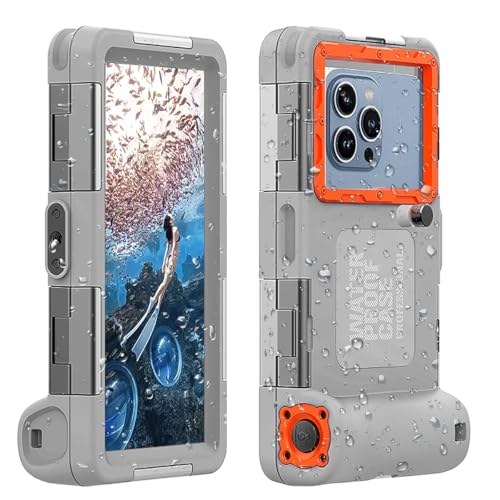
The YNVYFI 2025 case emphasizes universal compatibility and practical undersea operation. The back cover viewfinder is enlarged to 2.12 by 3.07 inches, aiding composition and framing in tight underwater spaces. Vent holes are integrated to improve pressure resistance and minimize trapped air bubbles, which can distort images. The design aims to serve a wide range of devices, including older and newer iPhone models and Galaxy phones, with depth-rated protection up to 50 feet (15 meters).
Users benefit from a streamlined control layout that adapts to multiple phone configurations. The extended viewfinder helps photographers frame macro subjects, school of fish, and underwater landscapes with greater accuracy. The inclusion of vent holes supports deeper snorkeling and entry-level dives by reducing squeeze and helping maintain a steady shot. This makes the YNVYFI case a strong option for hobbyists who want flexibility across several devices without buying a new housing for every upgrade.
For underwater photographers prioritizing accessibility and a broad compatibility range, the YNVYFI case offers a balanced package. It is best suited for snorkelers and shallow divers who still want reliable sealing, simple operation, and clear framing. While not designed for deep recreational or technical dives, its features support everyday underwater adventures with compatible smartphones.
Hiearcool Waterproof Phone Pouch

The Hiearcool Waterproof Phone Pouch provides a cost-conscious, versatile option for protecting a phone during light water activities. It is certified IPX8 waterproof and uses a triple-layer lock-down design to shield devices from water, snow, dust, and sand. The pouch is sized to fit most phones with or without cases up to 8.3 inches, making it a practical choice for larger screens while keeping a slim form factor.
One notable strength is the responsive touchscreen experience. The upgraded TPU material preserves touch sensitivity, enabling face ID, swiping, and calls while the phone remains protected inside the pouch. This makes it convenient for beach days, boat trips, and shallow-water excursions where full housing setups would be overkill. It is best used for casual snorkeling, rafting, and rain-prone adventures rather than deep-sea diving where higher pressure demands more robust housings.
Overall, the Hiearcool pouch offers a flexible, user-friendly shield for everyday water activities. Its compatibility with a wide range of devices and its accessible touch experience make it an attractive backup option or travel companion when you want quick access to your phone without a specialized camera housing.
Towevine Underwater Phone Case

Towevine offers another rugged option designed for snorkeling and diving with a broad Android phone compatibility and a focus on durability. The case features a widened back viewfinder similar to the YNVYFI model, helping photographers compose shots underwater where visibility can be limited. Vent holes contribute to pressure regulation and reduce internal bubble formation, which is especially helpful during deeper swims or quick descents.
Construction targets safety in active water environments, with strong sealing and a design that accommodates devices where the camera button arrangement may differ. The product is appropriate for users who want a reliable option for day trips, shallow dives, and ocean adventures without the expense of premium housings. It is particularly suitable for families and casual divers seeking straightforward protection and ease of use.
As with similar cases, ensure your phone model is compatible and verify the fit before submersion. The Towevine model is well-suited for everyday water activities and light underwater exploration, offering solid protection and simple operation at a reasonable price point.
Saupsitnz 2025 Upgrade Waterproof Case

The Saupsitnz 2025 upgrade case emphasizes broad compatibility with popular phone models while delivering robust waterproof protection. It is described as IP68 rated and designed to withstand wind, snow, and dust, making it suitable for adventurous travelers who want undersea protection during activities like diving, surfing, and snorkeling. The depth rating reaches up to 10 meters (33 feet), which aligns with casual snorkeling and shallow dives rather than deep recreational underwater exploration.
Key selling points include a new, fully sealed outer shell and a design that accommodates multiple brands and models up to 6.9 inches in screen size. This makes it a flexible option for families or travelers with different devices. Users should verify precise model compatibility before purchase to ensure a proper fit and reliable waterproof performance under expected use conditions.
Buying Guide
Several factors influence how well a phone housing performs underwater. The following considerations help shoppers compare options and align them with their planned activities, from snorkeling to shallow dives to beach photography.
- Depth rating and intended use: Higher depth ratings (e.g., 130 ft) suit frequent divers and macro work, while 10–50 ft housings cover snorkeling and casual beach days. Choose a rating that matches your typical water depth and conditions.
- Phone compatibility: Some housings are universal, while others are model-specific. Check interior dimensions, camera placement, microphone openings, and whether the home button or side buttons remain accessible.
- Sealing and sensors: Look for cam-lock seals, interior springs, and moisture/pressure sensors. These features protect your phone and alert you to seal issues before water ingress.
- Color accuracy and lighting: Integrated lighting or compatibility with external lights can dramatically improve underwater color rendition, especially in blue tropical waters where reds and yellows can disappear without illumination.
- Viewfinder and framing: A larger back viewfinder helps with composition in limited visibility. Vent holes can reduce air bubbles and pressure buildup that affect image clarity.
- Touchscreen usability: Some pouches offer responsive touch-through materials, but performance may vary with submersion depth and glove use. Evaluate whether you need full touchscreen access or can operate with physical buttons.
- Durability and materials: Consider the build quality, material hardness, and how the housing handles sand, salt spray, and accidental drops. A robust expected life span is important for frequent travelers.
- Maintenance and anti-fog: Anti-fog features and ease of cleaning prevent condensation on the inside lens. Regular maintenance is essential to sustain performance between trips.
- Cost vs. benefit: Premium housings offer advanced sensors and lighting but at higher prices. Balanced choices provide essential protection plus reliable performance for casual use.
- Warranty and support: Confirm warranty coverage and compatibility support from the brand. A responsive support channel helps with fit checks and accessory questions.
In sum, the best underwater housing for a phone balances depth capability with device compatibility, reliable sealing, and practical features like moisture alerts and color-conscious lighting. For casual snorkelers, a pouch or mid-range case can be sufficient, while divers who rely on color accuracy and consistent results may prefer premium housings with integrated lighting and proven sensor systems. When choosing, align the product’s strengths with the user’s environment, device model, and photography goals.