Best Thermal Imaging Night Vision Devices for Hotter Performance in Any Condition
Here’s a concise guide to top thermal imaging night vision devices that suit different hunting, outdoor, and surveillance needs. This selection targets buyers seeking clear thermal imaging, reliable battery life, and versatile connectivity. The devices below are best for: professional or serious hobbyist hunters, outdoor researchers, and field operatives who need portable, independent thermal vision with easy data sharing.
| Product | Best For | Key Benefit |
|---|---|---|
| Cwmiibili NP18 18X Digital Night Vision Device | Shoppers needing high magnification | 18X digital zoom with OLED eyepiece |
| TOPDON TS004 Pro Thermal Imaging Monocular | Users valuing long battery life | Up to 11 hours, IP67, wireless app |
| GOYOJO G210 Thermal Monocular | Versatile color palettes and app sharing | Six color modes, 16GB storage, app connectivity |
| TNV30i Thermal Monocular by MiLESEEY | High-detail imaging with super resolution | 512×384 SR, NETD <20 mK, long range |
| RIX Pocket K3 | Compact, portable scouting | 384×288 sensor, 50 Hz, Wi‑Fi |
Cwmiibili NP18 18X Digital Night Vision Device
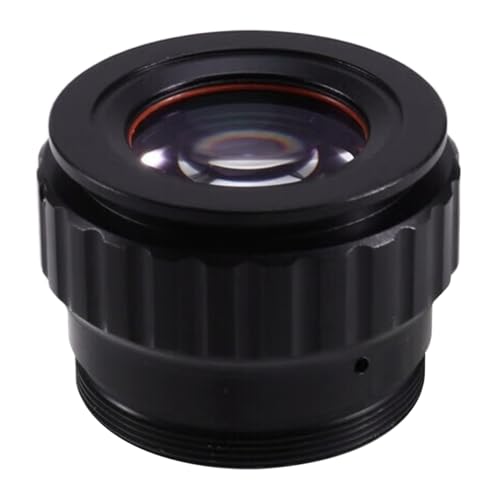
The NP18 offers a strong option for buyers who want substantial magnification. It features an 18X magnification and a 24 mm front lens diameter, with an entrance pupil diameter of 6 mm. This configuration is suited for observers who need detailed distant views in dim environments. Best for: field researchers or security personnel who require higher zoom to identify distant heat signatures. Caution: high digital zoom can introduce pixelation; plan for stable handling to maintain image clarity.
TOPDON TS004 Pro Thermal Imaging Monocular

The TOPDON TS004 Pro stands out for its high IR resolution (384×288) and 50 Hz refresh, delivering clear thermal scenes in dynamic settings. It runs on a robust 5000 mAh battery for up to 11 hours, making it a practical long-session device. Real-time monitoring is possible via wireless connection to a smartphone, enabling easy capture of images and videos. Best for: hunters or outdoor pros who need reliable, all-day operation and convenient data sharing. Caution: connectivity relies on the TopInfrared app; ensure compatibility with your device prior to purchase.
GOYOJO G210 Thermal Monocular

The GOYOJO G210 emphasizes flexible viewing with six color palettes (White-Hot, Black-Hot, Red-Hot, Rainbow, Iron-Red, Glimmer) and a 4X zoom plus 16GB built-in storage. Its sensor details include a 256×192 thermal camera and a 12 μm detector for clearer detection across varied lighting. Best for: users who value customizable color schemes and quick sharing via a companion app for real-time collaboration. Limitation: moderate pixel density compared to higher-end models may affect fine detail in very small targets.
TNV30i Thermal Monocular by MiLESEEY

The TNV30i uses 512×384 Super Resolution with a NETD under 20 mK for sharp thermal images. It features 10–15 mm adjustable focus and a long detection range up to 1600 yards with an F0.9 lens, enhancing long-range identification. Best for: serious outdoor users needing high-detail thermal imaging and flexible focus control. Caution: advanced features rely on Mileseey’s app ecosystem; ensure device compatibility and app availability in your region.
RIX Pocket K3 Portable Thermal Monocular

The RIX Pocket K3 provides a compact, hand-friendly form with a 384×288 sensor and 50 Hz frame rate. It includes Wi-Fi for easy data transfer and offers a 17.5° field of view with 2x base magnification. Best for: quick scans and portable field use where weight and size matter. Limitation: smaller sensor may have less detail at longer distances compared to higher-end units.
Buying Guide
What should you consider when choosing a thermal imaging monocular? Look at resolution, frame rate, sensor size, and pixel pitch to gauge detail and performance in low-light conditions. Consider magnification versus field of view to balance distant target identification with situational awareness. Battery life matters for extended outings; check capacity and whether the device supports replaceable or rechargeable batteries. Connectivity features—such as wireless app support and image/video capture—facilitate data sharing and documentation. If long-range detection is key, prioritize higher resolution and a fast lens with good optical quality. Finally, ensure durability specifications like IP rating and operating temperature range align with your planned environments.
Frequently Asked Questions
- What is NETD in thermal imaging devices? NETD stands for Noise Equivalent Delta Temperature and measures how well a sensor can distinguish small temperature differences. A lower NETD indicates sharper thermal detail in dark scenes.
- Do these devices require an internet connection to work? Some models support wireless app connections for live monitoring and data transfer, but many thermal monoculars function independently without internet access.
- Can I use these at long distances? Long-range performance depends on sensor resolution, lens quality, and pixel density. Higher-end units with 512×384 or better sensors typically offer better distant visibility.
- Are these suitable for all weather conditions? Durability varies by model. Look for IP ratings and operating temperature ranges to ensure reliability in rain, dust, or extreme temperatures.
- Is image storage included? Some devices include built-in storage (e.g., 16GB or 32GB) or support expandable memory; check each model’s specifications for capacity details.
- What’s the difference between color palettes? Color palettes help differentiate heat signatures; White-Hot and Black-Hot are common, while others like Rainbow or Iron-Red provide alternate contrast for specific targets or environments.