Best Telephoto Lenses for Birding: Reach, Clarity, and Travel-Friendliness
Birding demands distant subjects, fast autofocus, and portable gear you can carry on long treks. This guide highlights top telephoto lens options that help capture sharp, distant birds without lugging heavy equipment. We compare versatile zooms for Canon mirrorless systems, manual focus options for older Canon bodies, and compact smartphone telephotos that turn everyday phones into birding-ready cameras. Each pick balances reach, image quality, and portability so you can observe more birds with confidence.
Product Snapshot
| Product | Mount / Type | Key Benefit for Birding |
|---|---|---|
| Canon RF 75-300mm f/4-5.6 Lens (7155C002) + Bag + Card | Canon RF, Full-Frame / APS-C | Lightweight telephoto zoom with versatile reach (75-300mm) and travel-friendly kit. |
| Canon EF 75-300mm f/4-5.6 III (Renewed) | Canon EF, DSLR | Budget-friendly long reach with DC autofocus and modest size. |
| JINTU EF Mount 420-800mm Manual Focus | EF Mount, Manual Focus | Very long reach for distant birds; solid build for wildlife shoots. |
| Canon RF 200-800mm f/6.3-9 IS USM (6263C002) + Card | Canon RF, Full-Frame | Extra-long reach with image stabilization for handheld telephoto work. |
| COSULAN 400mm Telephoto Lens for Mobile | Phone Clip-on Telephoto | Compact, pocketable reach for quick field shots on smartphones. |
Canon RF 75-300mm F4-5.6 Lens Bundle
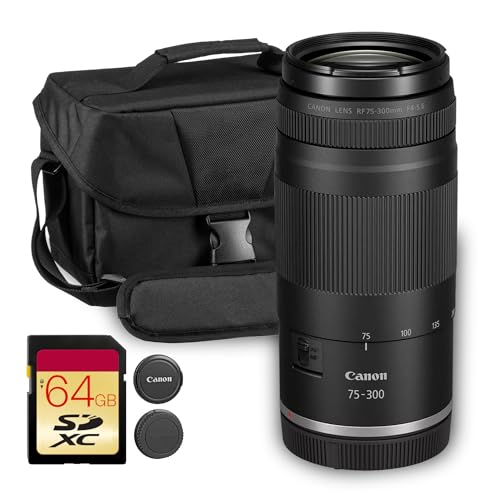
The Canon RF 75-300mm f/4-5.6 is a lightweight telephoto zoom designed for Canon RF-mount full-frame and APS-C mirrorless cameras. The included bag and 64GB SDXC card enhance field readiness for birding trips. The zoom covers a flexible 75-300mm range, translating to 120-480mm on APS-C sensors. Its compact form, under 1 lb, makes it an appealing travel companion for distant subjects, from songbirds to raptors, while maintaining reasonable image quality and portability.
Key characteristics include a variable aperture from f/4 to f/5.6, a slim profile, and a 58mm filter thread. This lens emphasizes reach without adding significant weight, making it suitable for hike-friendly setups where every gram matters. It pairs well with lightweight tripods or monopods when tracking birds in motion.
Canon EF 75-300mm f/4-5.6 III (Renewed)

This older EF-mount telephoto zoom provides a cost-effective option for DSLR users seeking reach. With a 4-5.6 aperture and a minimum focus distance of about 4.9 feet, it offers practical close-up shots of birds perched or in flight against a distant background. The lens’s compact dimensions and moderate weight make it workable for field use, though autofocus speed and modern coatings are surpassed by newer designs.
JINTU 420-800mm Manual Focus Telephoto

The JINTU 420-800mm telephoto lens is a manual-focus option for Canon EOS bodies. With a fixed aperture range of f/8.3-16, it delivers very long reach for distant birds. The build uses a full metal body and multi-coated glass to reduce aberrations. This lens is suitable for dedicated wildlife photographers who prefer manual control when shooting with an older or budget body, especially when lighting is strong enough to compensate for the slower aperture.
Compatibility spans many Canon EOS models via EF/EF-S mount, making it a versatile choice for hobbyists who already own a compatible camera. While manual focus may require practice, the extreme reach is beneficial for isolating birds against skies or foliage when tripods are available.
Canon RF 200-800mm f/6.3-9 IS USM
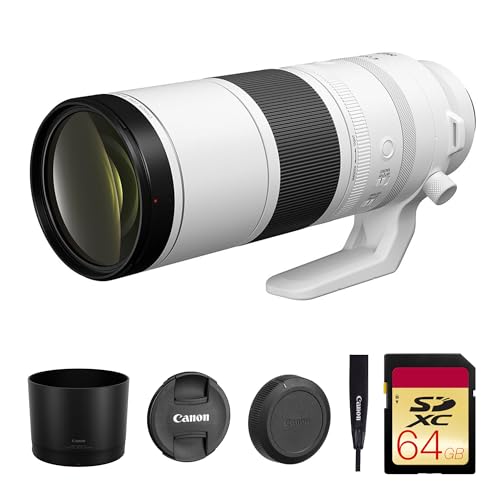
The Canon RF 200-800mm f/6.3-9 IS USM brings extreme reach to Canon RF-mount users. This full-frame super-telephoto zoom is ideal for wildlife and birding, offering a broad 200-800mm range with built-in image stabilization. The lens supports handheld shooting at full zoom, enabling observers to track birds across open skies or distant habitat edges. The combination of reach, stabilization, and the RF system’s performance makes it a strong choice for serious birders on the move.
Image stabilization helps mitigate camera shake during long-distance framing, while the fast USM helps with focusing speed in many field scenarios. In bright daylight, it serves well for distant bird portraits, fledglings, and perched species at a distance.
COSULAN 400mm Telephoto Lens for Phone
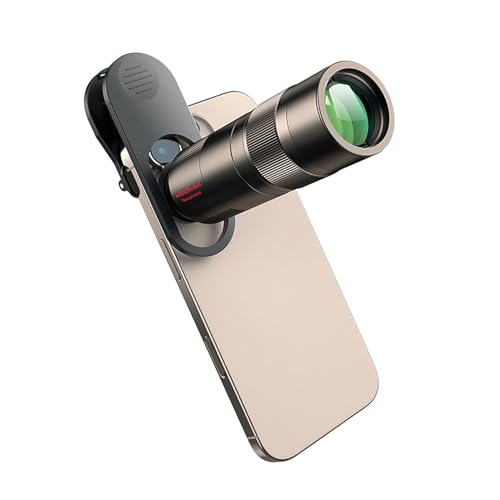
This COSULAN 400mm telephoto lens is designed for mobile devices. Its 400mm fixed focal length brings distant birds into frame without the need for bulky gear. The FMC multi-layer coating reduces glare and chromatic aberration, delivering more accurate color and contrast. The kit typically includes a universal clip and carrying case, making it a practical addition for casual birding encounters when a dedicated camera setup isn’t available.
Evil Eye 18X Telephoto Phone Lens

The Evil Eye 18X telephoto phone lens provides substantial magnification for distant subjects, including birds. Built for smartphones, it emphasizes a compact design with a lightweight build and a tripod option for steadier shots. The lens uses high-quality glass and prisms to preserve detail, offering a practical upgrade for casual field observation and social media-ready captures.
BNIFI 28X Telephoto Phone Lens Kit

The BNIFI 28X telephoto kit bundles multiple focal lengths, including a 28x telephoto lens, into a single mobile accessory. It’s designed for photographers who want a portable solution for distant subjects such as birds, concerts, and landscapes. The universal clip-on design ensures compatibility with many smartphones, and the included accessories support quick setup in the field.
Buying Guide: Key Purchase Considerations for Birding Telephotos
- Purpose and camera system: Choose a lens that matches your primary camera system (Canon RF, EF, or smartphone). Dedicated cameras typically benefit from longer, stabilized zooms, while smartphone telephotos prioritize portability and ease of use.
- Reach vs. weight: Longer focal lengths deliver bigger bird portraits but add weight and bulk. For hikes and long watch sessions, prioritize a lighter option with stabilization.
- Image stabilization: IS or USM helps maintain sharpness when tracking birds in flight or at full zoom. This is especially important for handheld shooting at long distances.
- Autofocus vs. manual focus: Modern mirrorless lenses offer fast autofocus ideal for erratic bird movements. Manual-focused options can be viable for static perched birds or moonlit scenes when light is ample.
- Compatibility and future-proofing: If you plan to upgrade cameras, consider RF-mount lenses for Canon mirrorless ecosystems to maximize image quality and autofocus performance.
- Budget vs. performance: Renewed or third-party options can reduce cost but may come with trade-offs in autofocus speed and coatings. Weigh priorities like reach, speed, and weight accordingly.
- Accessories and handling: A lightweight tripod, monopod, or gimbal head can dramatically improve stability at long focal lengths. A carrying case helps protect delicate optics in field conditions.
Birding with telephoto lenses emphasizes discipline in framing, shutter speed, and composition. When evaluating options, consider your typical habitats, bird sizes, and whether you’ll shoot mainly perched subjects or active, in-flight birds. Storage, battery life, and weather sealing are practical factors for extended sessions in the field.