Best Super Telephoto Zoom Lenses for Wildlife, Sports, and Nature Photography
Discover top super telephoto zoom lenses that extend your reach without sacrificing image quality. This guide highlights five standout options across Canon, Sony, and mobile adapter setups, focusing on long focal lengths, sharpness, and practical handling. Whether you shoot wildlife from a distance, fast-paced sports, or distant landscapes, these lenses are designed to deliver crisp detail and natural perspective. The selections below balance reach, compatibility, weight, and optical performance to help you choose the right lens for your camera system and shooting style.
Summary of chosen products
| Product | Key Focal Range | Mount / System | Notable Benefit |
|---|---|---|---|
| Canon RF200-800mm F6.3-9 | 200-800mm | Canon RF (Mirrorless) | Extends to 800mm with compatibility for Extenders RF1.4x/2x |
| Canon RF100-500mm F4.5-7.1 L | 100-500mm | Canon RF (Mirrorless) | L-series build with IS up to 5 stops and versatile modes |
| Sony FE 200-600mm F5.6-6.3 G OSS | 200-600mm | Sony E-mount | Excellent resolution with ED elements and fast AF |
| Sony Alpha 70-350mm F4.5-6.3 G OSS | 70-350mm | Sony E-mount (APS-C) | Lightweight, convenient 5x telephoto reach with strong performance |
| ShiftCam LensUltra 240mm | 240mm | Mobile phone telephoto lens (iPhone/Android) | True optical reach for mobile photography with 5x base magnification on select iPhones |
Canon RF200-800mm F6.3-9 USM Super-Telephoto Zoom Lens

The Canon RF200-800mm F6.3-9 USM is positioned as a compact, powerful super-telephoto zoom for mirrorless bodies. It offers an expansive 200-800mm range, enabling flexible framing from distant wildlife to high-mlying sports action. The lens supports external extenders (RF1.4x and RF2x) at all focal lengths, expanding reach when needed. This versatility makes it suitable for wildlife reserves, national parks, and outdoor events where distance is a factor. The combination of a long reach with a relatively portable design helps photographers maintain steadiness and composition while shooting handheld or with minimal support.
Key features include: a flexible zoom range from 200mm to 800mm, compatibility with optional extenders for even longer reach, and a focus system designed for reliable performance across long focal lengths. Photographers should consider weight and balance on lighter Canon mirrorless bodies, as well as the importance of a sturdy support setup for best results at 800mm.
Canon RF100-500mm F4.5-7.1 L IS USM

The Canon RF100-500mm F4.5-7.1 L is a versatile L-series super-telephoto zoom designed for Canon’s RF-mount mirrorless cameras. This lens delivers a broad range suitable for everything from wildlife close-ups to distant stadium photography. Notable features include Optical Image Stabilization with up to 5 stops of shake correction and three stabilization modes to support different shooting scenarios, including panning. The lens is designed for handheld use with manageable weight, while still delivering the optical quality expected from Canon’s L-series lineup. For photographers working in wildlife parks, birding, or action sports, this lens provides practical reach without needing a heavy, specialty telephoto prime.
Practical considerations include the balance with full-frame and crop-sensor bodies, stabilization performance in low light, and how often you’ll need to switch between zoom ranges during fast-moving events. The RF100-500mm pairs well with Canon’s fast autofocus systems for responsive tracking and reliable sharpness across the frame.
Sony FE 200-600mm F5.6-6.3 G OSS
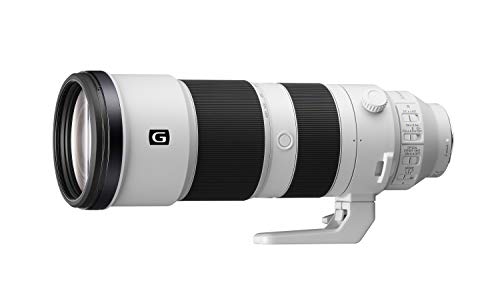
The Sony FE 200-600mm F5.6-6.3 G OSS is a standout for Sony shooters needing reach without sacrificing resolution. The lens features outstanding image quality across the zoom range, with 5x ED glass elements to reduce chromatic aberrations. A Direct Drive Super Sonic Wave Motor provides fast, quiet, and precise focusing, essential for wildlife and sports photography. Optical SteadyShot (OSS) helps stabilize handheld shooting, particularly at longer focal lengths. The 200-600mm range suits wildlife reserves, distant birds, and large outdoor events where distance is a constant factor. Photographers should weigh the lens weight and handling, as longer outings benefit from a sturdy support system and tripod use where possible.
In practical use, expect strong sharpness from center to edges when used with modern Sony bodies. The dynamic range and color rendition are well-suited to natural scenes, making this a favorite for enthusiasts and professionals alike who shoot with Sony full-frame or APS-C bodies.
Sony Alpha 70-350mm F4.5-6.3 G OSS
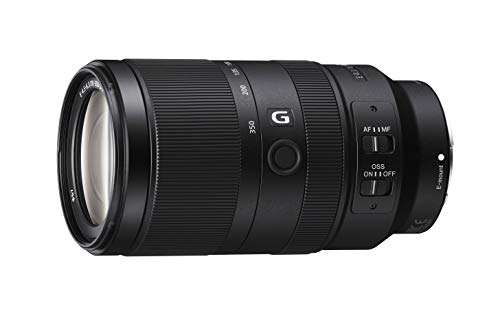
The Sony Alpha 70-350mm F4.5-6.3 G OSS is designed for Sony APS-C bodies, delivering a practical 70-350mm zoom range with optical image stabilization. The lens is lightweight enough for prolonged handheld shooting while still offering a generous reach for sports, birds, and distant landscapes. Its G-series design emphasizes color accuracy and sharpness across the frame, with consistent performance from wide to telephoto ends. The moderate maximum aperture values at 350mm are balanced by stabilization and modern autofocus, making it a versatile option for enthusiasts who want a longer reach without stepping into heavier, more expensive glass.
Considerations include the trade-off between aperture and weight, the suitability for quick action framing, and the need for accessory support such as a monopod or tripod for extended sessions at 350mm. This lens pairs well with Sony bodies that benefit from fast AF and reliable OSS for handheld shooting in outdoor environments.
Canon RF100-500mm F4.5-7.1 L IS USM
The Canon RF100-500mm F4.5-7.1 L IS USM lens provides a flexible super-telephoto range with high-quality optics in Canon’s L-series. Optical Image Stabilization supports up to 5 stops of shake correction, and multiple IS modes enhance performance in varying shooting conditions, including panning and general handheld use. The 100-500mm range makes it a practical choice for wildlife spotting, birding, and sports photography, allowing photographers to get closer to distant subjects while maintaining detail and color fidelity. The sturdy build and weather-sealed design align with professional field use in outdoor environments.
Operational notes include monitoring weight for all-day shoots, pairing with a capable camera body for best autofocus performance, and leveraging IS modes for dynamic action scenes. This lens is well-suited for users who require a versatile telephoto option without moving up to heavier zooms.
Buying Guide
- Mount compatibility: Ensure the lens matches your camera system (Canon RF, Sony E-mount, etc.) and check compatibility with extenders if you plan to push reach beyond the base focal length.
- Reach versus weight: Longer focal lengths offer more subject isolation but add weight and size. Balance portability with your typical shooting distance and support options.
- Optical stabilization: Lenses with effective IS/OSS can dramatically improve handheld performance, especially at longer focal lengths. Consider cameras with good in-body stabilization to maximize results.
- Aperture and performance: Lenses with larger maximum apertures provide better light gathering, but many super-telephotos are at f/4.5-7.1 or slower. Plan for shutter speed choices to freeze motion in wildlife or sports.
- Autofocus speed and accuracy: Fast, reliable AF is essential for wildlife and sports. Pair lenses with bodies that provide strong AF performance and tracking capabilities.
- Image quality across zoom range: Look for low-dispersion elements and coatings to minimize chromatic aberration, flare, and ghosting for consistent sharpness from 200mm to 800mm or more.
- Tripod and monopod support: At long focal lengths, a stable support reduces motion blur. Evaluate your stabilization setup, including quick-release plates and mounts.
- Image quality on mobile adapters: If using mobile telephoto adapters like ShiftCam, understand that performance will be influenced by phone camera quality and the adapter’s optical alignment.
- Use case focus: Wildlife, birds, landscapes, and sports have different demands. Prioritize lens features (reach, stabilization, weight) that align with your primary subject matter.