Best Small Full-Frame Cameras for Travel and Vlogging
Searching for compact full-frame cameras that deliver great image quality without bulk? This guide highlights five small, travel-friendly options suited for different buyers—from vloggers and creators to casual photographers. Each pick is evaluated for portability, autofocus, lens options, and overall value. Use the quick buyer’s table below to compare essentials at a glance.
| Product | Type | Key Benefit | Best For |
|---|---|---|---|
| Canon EOS RP Kit | Full-Frame Mirrorless | Compact, versatile RF 24-105mm lens with IS | Travelers and vloggers seeking a lightweight setup |
| Sony Alpha 7 IV | Full-Frame Mirrorless | High-resolution 33MP sensor and 4K 60p | Creators prioritizing image detail and video |
| Canon EOS R8 | Full-Frame Mirrorless | Compact RF body with modern AI AF and 24.2MP sensor | Content creators needing fast AF in a small body |
| Sony a7 III | Full-Frame Mirrorless | Solid multi-purpose performer with broad lens ecosystem | All-around shooters seeking balance and value |
| Kodak PIXPRO FZ55-BK | Compact Full-Frame (entry-level) | Small form factor with 5x zoom and Full HD video | Beginner shooters wanting a simple, portable option |
Canon EOS RP Full-Frame Kit with RF 24-105mm

The Canon EOS RP is a compact full-frame option designed for travelers and vloggers who want lightweight gear without sacrificing image quality. The included RF 24-105mm lens covers broad framing needs, from wide landscapes to tighter portraits. Its optical IS up to 5 stops helps steady handheld shooting, and the camera has a 0.4x magnification with a short 0.66 ft minimum focusing distance in AF. Best for: travelers and content creators who need a portable, versatile system that still delivers strong performance. Limitations: battery life and grip size may feel small for users with larger hands or extended shooting days.
Key features:
- Compact, lightweight full-frame body
- RF 24-105mm f/4-7.1 IS STM lens
- Optical image stabilization up to 5 stops
- 0.4x magnification and 0.66 ft minimum focus
Sony Alpha 7 IV with 28-70mm Kit

The Sony Alpha 7 IV pairs a 33MP Exmor R sensor with a powerful BIONZ XR processor, delivering detailed stills and strong video capabilities. This model suits advanced users who require high-resolution imagery and reliable autofocus across various scenes. It supports up to 4K 60p with 10-bit 4:2:2 internal capture, making it a solid choice for serious creators. Best for: photographers and videographers who value image quality and future-proof performance in a still-compact body. Caution: higher data rates demand faster memory and can challenge longer recording sessions without breaks.
Key features:
- 33MP full-frame Exmor R sensor
- Next-gen BIONZ XR engine
- 4K 60p with 10-bit 4:2:2
Canon EOS R8 Mirrorless Body
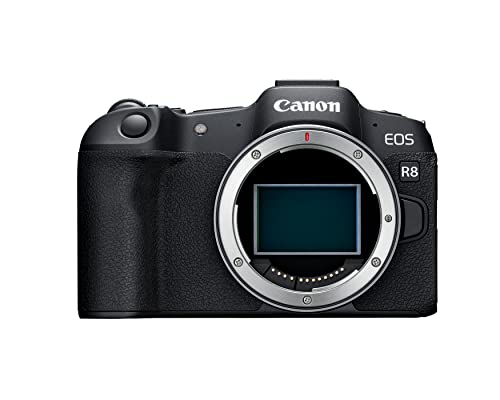
The Canon EOS R8 offers a streamlined, lightweight full-frame option with a 24.2MP CMOS sensor and DIGIC X processor. It features a built-in OLED EVF, vari-angle touchscreen, and Dual Pixel CMOS AF II for accurate subject tracking. This camera is best for: creators who want a modern, compact Canon full-frame body with strong autofocus and user-friendly controls. Limitation: some users may miss higher-end features found in pro-grade cameras, such as more extensive battery life and advanced video options.
Key features:
- 24.2MP full-frame sensor
- Compact Canon RF mount with modern AF
- OLED EVF and vari-angle touchscreen
Sony a7 III Full-Frame Kit with 28-70mm

The Sony a7 III is a versatile full-frame option known for robust performance across stills and video. Featuring a 24.2MP BSI sensor, broad ISO range, and up to 10fps shooting with reliable AF, it remains a strong all-around choice for photographers who want a familiar Sony ecosystem in a relatively compact body. Best for: shooters seeking a dependable, all-purpose full-frame camera with a broad lens lineup. Caution: newer models offer higher resolution and advanced features, so consider long-term upgrade potential.
Key features:
- 24.2MP BSI full-frame sensor
- ISO 50 to 204,800
- Up to 10fps with AE/AF tracking
Buying Guide: Small Full-Frame Cameras for Travelers and Content Creators
What matters most for travel photography?
Look for a compact body, light lens options, and reliable autofocus. Battery life and heat management also matter for longer shoots and travel days. When space is a constraint, a 24-105mm or similar zoom kit can reduce gear load while covering most situations.
How important is video performance?
If you create videos or vlogs, prioritize cameras offering 4K recording with 10-bit color where available, good autofocus in video mode, and reliable stabilization. Also consider the availability of a microphone input and favorable heat handling on longer clips.
What about future-proofing and ecosystems?
Consider the lens ecosystem and accessories available for each brand. A broader selection of native lenses and compatible third-party options can extend the usefulness of your purchase as needs evolve.
What should beginners choose?
Beginners often benefit from simpler interfaces and built-in guides. A camera with easy auto modes, good subject detection, and sensible beginner-friendly features helps accelerate learning without sacrificing room to grow.
Quick tips for choosing a small full-frame camera
- Decide between a travel-friendly kit (with a versatile zoom) or a more capable body with separate lenses.
- Assess weight versus handling comfort; some users prefer a larger grip for extended use.
- Check for in-body image stabilization and how it complements lens stabilization.
- Factor into future upgrades by considering brand ecosystems and resale value.
FAQs
- Q: Are full-frame cameras worth it for travel compared to APS-C? A: Full-frame cameras offer better low-light performance and dynamic range, which can enhance travel photography, but they may be heavier and more expensive than APS-C models.
- Q: Do I need a new lens to use these cameras? A: Some kits include zoom lenses; depending on the model, additional lenses may be desirable for different genres such as portraits or landscapes.
- Q: Is in-body stabilization important? A: IBIS helps stabilize handheld footage and stills, but the effectiveness depends on the overall system and lens stabilization.
- Q: Which camera is best for beginners? A: The Canon EOS RP or Canon EOS R8 offer approachable interfaces with strong autofocus and compact bodies, suitable for new users.
- Q: Can I upgrade later easily? A: Brand ecosystems determine the ease of future upgrades; consider future lens availability and resale value when choosing.
- Q: Which option is best for both photo and video? A: Sony A7 IV provides strong photo and video performance, with robust 4K options and advanced autofocus.