Best Shutter Release Cables for Film Cameras: Precision, Stability, and Long Exposures
For photographers who work with film cameras or want bulb exposures with modern bodies, a reliable shutter release cable helps minimize camera shake and unlocks long-exposure possibilities. This guide features five top options that balance build quality, compatibility, and value. Each product is designed to work with threaded shutter release sockets and to support precision shots, macro work, and long exposures without vibration.
Product overview
The table below summarizes the five shutter release cables chosen for this guide, highlighting length, compatibility, and notable features:
| Product | Length | Compatibility | Key Feature |
|---|---|---|---|
| Pastlla 15.7″ (40 cm) Threaded Release Cable | 15.7″ / 40 cm | Digital cameras with shutter release sockets and traditional film | Anti-corrosive, long service life |
| Pastlla 28″ (70 cm) Threaded Release Cable | 28″ / 70 cm | Digital and traditional film cameras | Long reach, robust construction |
| Shutter Release Cable 100 cm (39″) for Nikon/Fuji/Canon/Olympus | 39″ / 100 cm | Most mechanical film cameras; some modern DSLRs | Broad compatibility |
| JJC Mechanical Shutter Release Cable with Bulb-Lock (Fuji/Other) | Unknown length (listed as a common 70 cm-70+ cm class) | Fuji X series, Sony RX, Leica M range | Bulb-lock and locking function |
| JJC Mechanical Cable Release with Bulb-Lock (Multiple Brands) | 70 cm | Multiple brands including Fuji and Sony | Locking function for stable long exposures |
Each option emphasizes stability during exposures, a feature especially valued when shooting macro scenes, landscapes at dawn, or any scenario where camera shake would ruin a frame. The list includes a balanced mix of shorter and longer cables to accommodate different shooting distances, from tabletop macro setups to distant tripod-mounted shots.
Pastlla 15.7″ Threaded Release Cable
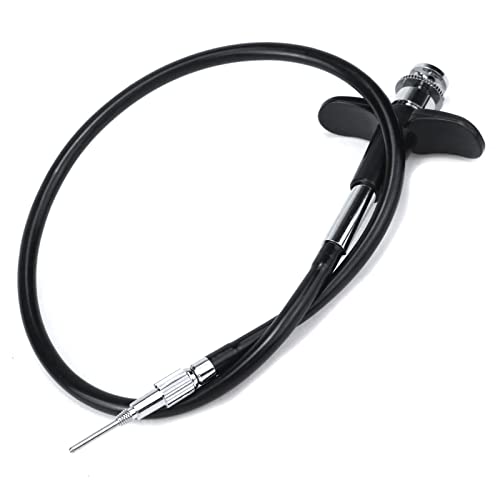
This 15.7-inch shutter release cable is designed for both digital cameras with standard shutter sockets and traditional film cameras. The package includes a single shutter release cable built with plastic and metal components that resist corrosion and rust, contributing to a longer service life. Its compact length makes it ideal for close-up work on tripods where shoulder or elbow room is limited. The device features a threaded connection that ensures a snug fit on compatible cameras and minimizes wobble during bulb exposures.
Pastlla 28″ Threaded Release Cable

With a longer 28-inch reach, this Pastlla model is suitable for cameras that require additional clearance or are mounted on taller tripods. It maintains the same anti-corrosion, rust-proof construction as the shorter version, ensuring durability under frequent bulb-type exposures. The extended length supports long-exposure techniques and macro setups where the camera needs to stay still while the operator is at a comfortable distance.
Shutter Release Cable 100 cm (39″) for Nikon/Fujifilm/Canon

This model offers a broad compatibility range, designed to fit cameras with standard threaded connectors and to work for many mechanical film cameras, as well as some modern digital and large-format cameras. The 100 cm length provides substantial distance for long exposures, reducing the risk of camera shake when triggering via a remote position. It is a practical choice for photographers who need a reliable, all-around cable for multiple bodies.
JJC Mechanical Shutter Release Cable With Bulb-Lock

JJC’s mechanical release with bulb-lock is designed for a wide range of bodies that feature threaded shutter release buttons. This model helps prevent camera shake during telephoto work, macro photography, and bulb exposures, thanks to its locking function. The cable’s design emphasizes stability, ensuring a clean, sharp frame when precision timing is critical. It’s a versatile option for photographers who rotate between several camera bodies over time.
JJC Bulb-Lock Release for Fuji and More

This JJC model targets Fuji X-series and similar cameras, including models used by Leica and Sony users. It includes a locking function to prevent inadvertent movement during long exposures, a key requirement for astrophotography, nightscapes, and time-lapse setups. The cable is compatible with threaded shutter release buttons and aims to minimize vibration during critical shots, offering dependable performance across brands and camera systems.
Fotasy 100 cm Mechanical Cable Shutter Release

This Fotasy option provides a longer 100 cm cable with a bulb-lock design, suitable for a range of cameras including Fujifilm X-series, Leica M-series, and Nikon DSLRs. The unit is marketed as a top-quality manual locking cable release designed to minimize camera shake in critical situations. The tapered threaded end screws easily into most shutter buttons, ensuring a secure fit across multiple models and formats.
Fotasy 70 cm Mechanical Cable Release With Bulb-Lock
This Fotasy model offers a robust 70 cm length and a bulb-lock design that suits long exposure work and macro photography. It’s compatible with cameras that use threaded shutter release buttons, providing a stable link between the user and the camera during precise timing shots. The included locking mechanism helps prevent accidental button presses during tripod-based setups or extended waits for the perfect light.
Buying Guide: Key Considerations For Choosing A Shutter Release Cable
When selecting a shutter release cable for film cameras, several factors determine how well it will serve your shooting needs. Here are essential considerations from a practical perspective:
- Length: Short cables are ideal for close-range work and compact studios, while longer cables support distant operation and long-exposure setups without touching the camera.
- Locking and Bulb-Lock Features: Bulb-lock and locking mechanisms prevent accidental releases and ensure stability during extended exposures, critical for night skies, star trails, and astrophotography.
- Compatibility: Look for threaded connections that fit the shutter release sockets on your camera body. Some cables advertise broad compatibility but verify the connector type and thread size for your model.
- Build Material: Anti-corrosive metals and durable plastics extend the life of the cable under frequent use, especially in outdoor environments where moisture or dust can be an issue.
- Signal Consistency: A high-quality cable minimizes wobble and offers a consistent trigger signal to avoid micro-movements that blur the image.
- Brand and Warranty: Trusted brands often provide better customer support, clearer documentation, and longer-lasting components. Consider warranty terms if available.
- Use Case: Evaluate whether you need pure mechanical triggering for manual control, or if you require compatibility with modern digital bodies for hybrid workflows.
In practice, a photographer choosing a shutter release cable should weigh the need for reach against the importance of a rigid connection and locking features. For macro or long-exposure work, a longer, locking cable is often worth the extra length. For studio macro sets where distance is minimized, a shorter cable with a secure fit can provide faster shot timing and easier handling.