Best Shock Absorbing Camera Mounts for Smooth Shots
Dynamic filming often exposes gear to bumps, wind, and handling noise. Choosing the right shock-absorbing mount can dramatically improve audio clarity and image stability. The five selections below cover microphone shock mounts, gimbal isolation, and action-camera accessories, offering mounting options from hot shoes to 3/8-16 bases and 1/4-20 threads. Each product demonstrates a distinct approach to dampening vibrations while preserving accessibility, ease of use, and compatibility with common rigs. Use this guide to identify the best fit for run-and-gun interviews, drone and gimbal work, or bike-mounted setups.
| Product | Brand | Key Benefit |
|---|---|---|
| SmallRig Microphone Shock Mount 1859 | SmallRig | Four-point suspension for 15–40 mm mics; built-in hot shoe; 3/8-16 base thread |
| CAME-TV Vibration Isolator Wire Mount | cametv | Reduces vibrations on DJI RS series; one-person setup; supports up to 5 kg |
| Movo Rycote Lyre Shockmount 19–22 mm | Movo | Lyre isolation for 19–22 mm mics; compatible with VXR10 line; reduces movement noise |
| Movo SMM1 Microphone Shock Mount | Movo | Four-point silicone suspension; 19–25 mm mics; 1-year warranty |
| SUREWO Magnetic Quick Release Mount | SUREWO | Universal quick-release; magnetic attachment; 360° adjustment; vibration damping |
SmallRig Microphone Shock Mount 1859

The SmallRig 1859 uses a four-point suspension to cradle on-camera microphones with diameters roughly 15 to 40 millimeters. This configuration dampens bumps from camera operation, reducing noise transferred to the microphone. The mount includes a built-in hot shoe for direct camera mounting and a 3/8″-16 threaded base, allowing attachment to boompoles, handheld rigs, or tripods. Its adjustable angle via a knurled knob enables precise microphone positioning, which is valuable in run-and-gun interviews or documentary shoots where setup speed matters.
In practice, the 1859 supports quick installation and removal, making it suitable for quick-change rigs and dynamic environments. The compact footprint helps maintain balance on lightweight rigs, while the four-point suspension helps isolate the mic from transverse motion. This is a versatile option for shooters needing reliable mic isolation without adding bulk to the camera rig.
CAME-TV Vibration Isolator Wire Mount
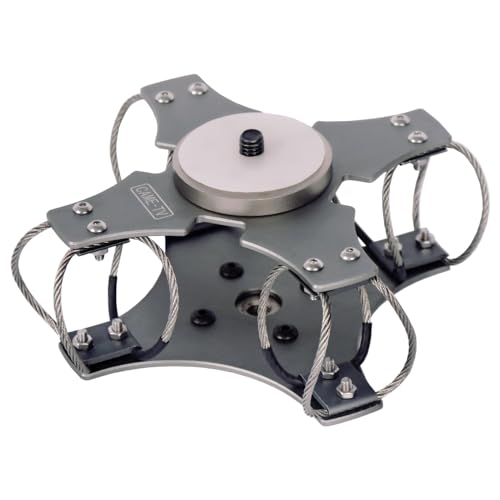
The CAME-TV Vibration Isolator Wire Mount provides a robust vibration-damping solution for DJI RS 4, RS 4 Pro, RS 3, RS 3 Pro, RS 3 Mini, RS2, and RSC 2 handheld gimbals, with a payload capacity up to 5 kg (11 lb). Its design aims to reduce vibration transfer from the operator to the camera, ensuring smoother footage in challenging shooting conditions. The setup is described as quick and one-person friendly, saving time during setup and transitions between takes. This makes it a strong choice for professional videographers who require stable shots in field environments or on evolving rigs.
The mounting geometry supports seamless integration into existing rigs without requiring extensive reconfiguration. By dampening top-camera vibrations, it helps maintain consistent image stability when cruising through uneven terrain or during dynamic camera moves. The result is smoother pans and steadier footage with less post-processing correction.
Movo Rycote Lyre Shockmount 19–22 mm

The Movo SMVXR10RY Upgraded Rycote Lyre Shockmount is designed for shotgun microphones with a 19–22 mm diameter range, including popular models like the Movo VXR10 and VXR10-PRO. The Lyre-based design uses flexible, durable material to isolate the mic from movement and vibrations, reducing handling noise and mechanical rumble that can degrade audio during dynamic shoots. This shockmount is particularly well-suited for handheld video work, run-and-gun interviews, and field recording where mic stability matters as much as mic protection.
By providing effective isolation while staying lightweight, the Lyre shockmount helps ensure clean audio without requiring bulky rigs or complex balancing. It integrates smoothly with camera setups that rely on shotgun mics, preserving both mobility and audio integrity in a compact form factor.
Movo SMM1 Microphone Shock Mount
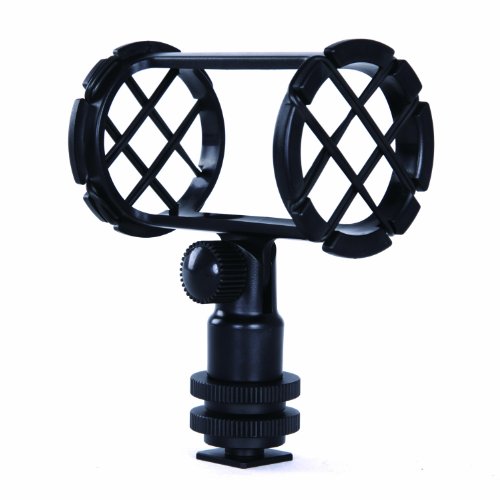
The Movo SMM1 Shock Mount is designed for shotgun microphones in the 19–25 mm diameter range, including models such as the Rode NTG-1, NTG-2, and Sennheiser MKE 600. It employs a four-point silicone suspension to cradle the mic and absorb vibrations from handling and movement, resulting in crisper audio for interviews, vlogs, and on-the-go filming. The design focuses on stability without adding excessive weight to the camera rig.
Several practical features support field use: a built-in camera cold shoe for quick attachment and a US-based support team with a one-year warranty. This combination of isolation, ease of use, and support makes the SMM1 a reliable choice for creators who frequently switch between handheld and mounted configurations.
Movo Rycote Lyre Replacement Shockmount

Note: This entry provides a replacement shockmount option for the VXR-series microphones in the Movo ecosystem. The replacement VXR10 shockmount uses a Lyre-based isolation approach to reduce noise from movement and vibrations, ensuring continued performance when the original unit is lost or damaged. While a direct product section is provided above, this replacement part emphasizes the importance of ongoing mic isolation in professional setups where uptime matters.
Buying Guide
When selecting a shock-absorbing mount for cameras, mics, or action setups, consider how you will use the gear, your microphone or camera diameter, and your preferred mounting point. Here are key factors to guide your choice:
- Application and goal: Identify whether you need mic isolation for on-camera audio, gimbal stability, or bike/vehicle mounting. Each use case benefits from a different vibration-control approach.
- Mounting compatibility: Check mic diameter range (e.g., 15–40 mm or 19–22 mm) and thread options (3/8-16, 1/4-20), as well as compatibility with hot shoes or cold shoes and boompoles.
- Isolation method: Four-point silicone suspensions dampen micro-movements; Lyre-based mounts isolate from larger tremors; dedicated gimbal isolators reduce vibrations transferred during dynamic shots.
- Build quality and materials: Look for durable plastics or metal constructions, reliable tightening mechanisms, and weather resistance if you shoot outdoors.
- Weight and footprint: Heavier mounts can affect balance on smaller rigs; lightweight options suit handheld work, while sturdier mounts suit heavier cameras and longer sessions.
- Mounting versatility: Consider whether you need 360° adjustability, quick-release capabilities, or a base that attaches to tripods, rigs, or handlebars.
- Warranty and support: A longer warranty and accessible customer support are valuable for field-based shooters who rely on gear under tight schedules.
For best results, match the product to your core workflow. If your shoots center on handheld mic work in varying environments, a four-point suspension mic shock mount paired with a hot/cold shoe will offer straightforward setup and reliable isolation. If you frequently move cameras on gimbals or drones, a vibration isolator designed for your specific gimbal line, along with compatible payload support, will help maintain image stability. For action or bike-mounted content, mounts with vibration damping and secure attachment systems reduce shake and maintain camera alignment across rough surfaces.