Shade 11 auto-darkening welding lenses provide reliable eye protection while preserving visibility across bright and dark welding conditions. This guide highlights five widely used shade 11 lenses, examining sensor speed, coatings, color accuracy, and durability to help you choose the right option for the job. Whether you weld as a hobbyist or a professional fabricator, the right lens can reduce eye strain, improve weld precision, and support safer, more efficient work. The table below offers a quick snapshot of each selected option before you dive into in-depth product sections.
| Product | Brand | Shade | Key Features |
|---|---|---|---|
| Preruner Gold Shade 11 2×4 Lens | Preruner | 11 | 0.01 ms auto-darkening; gold coating; 7 true colors; UV/IR protection; blue puddle technology |
| Ridge King Single 1.0 Shade 11 Lens | Ridge Products | 11 | 90-day guarantee; 1-year warranty; shades 9–13; TIG warning for low amps |
| ArcOne S240-11 Auto-Darkening Lens | ARCONE | 11 | Two sensors; 5.25 square inches viewing area; 0.5 ms switching speed |
| Swess Gold Shade 11 Auto-Darkening Lens | Swess | 11 | Fast auto-dimming; golden coating; 7 true color technology; UV/IR protection |
| Tefuawe 2×4 Shade 11 Auto Lens | Tefuawe | 11 | 0.19″ thin; supports 5A TIG; high-temp resistant housing; stable arc with advanced optics |
Preruner Gold Shade 11 2×4 Lens
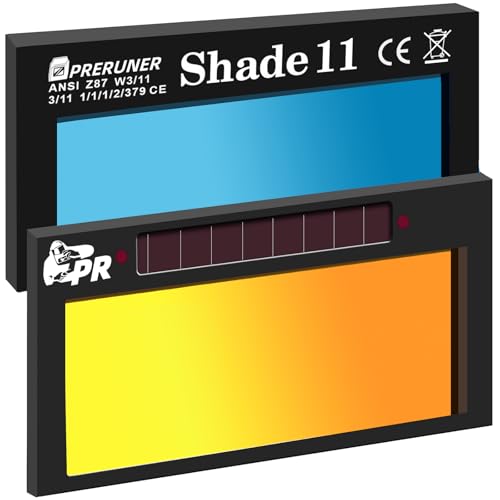
Preruner’s shade 11 auto-darkening lens emphasizes ultra-fast response with two advanced sensors that darken in 0.01 milliseconds. This rapid reaction minimizes arc-eye risk and keeps focus on the weld puddle. The gold coating delivers a visually cool blue tint while enhancing glare reduction and durability, and it blocks harmful UV and IR radiation for extended sessions. The 7 true colors technology improves color fidelity, helping you see the weld bead clearly across varying light conditions. The lens is designed for standard 2×4 hoods, including pancake and sugar-scoop styles, providing broad compatibility and a stable viewing experience.
In practice, this Preruner model prioritizes fast response, color accuracy, and comfort. Welders note crisper puddle visibility and less eye strain during long runs, with the gold coating reducing glare without distorting the weld color. For routine maintenance, keep the lens clean and avoid prolonged exposure to heat per manufacturer guidelines to extend life and preserve optical clarity over time.
Ridge King Single 1.0 Shade 11 Lens

Ridge’s Royal Series King Single 1.0 offers shade 11 with a strong emphasis on reliability and value. The product line includes a 90-day money-back guarantee and a full one-year warranty, plus a broad shade range of 9–13 for versatility. Ridge explicitly notes TIG warnings: these lenses aren’t recommended for TIG welding below 90 A, and if you frequently TIG at very low amps, consider their higher-rated or adjustable options. The design focuses on crisp arc and puddle visibility with minimal color distortion, aiming to reduce eye fatigue during extended welding sessions.
The series also highlights reputation for stable performance and clear bead placement, with straightforward maintenance and durable construction. For buyers, the lens pairs well with MIG and light TIG tasks and provides dependable protection across a variety of shop environments. When selecting this model, consider the typical amperage you use for TIG and whether you might need a different shade or a higher TIG-rated option for frequent low-amp work.
ArcOne S240-11 Auto-Darkening Lens

ArcOne’s S240-11 is built around two independent sensors, providing robust protection and quick response. It offers a generous 5.25 square inches of active viewing area and a switching speed of 0.5 milliseconds, delivering rapid darkening to minimize exposure during arc start and end. This combination supports precise puddle control and reduces eye strain during long welds in bright environments. ArcOne’s approach focuses on reliable, consistent performance across common welding processes, making it a solid choice for general fabrication and manufacturing settings.
Users often praise the model for straightforward operation and dependable clarity, especially in mixed-light shop environments. Like all auto-darkening lenses, regular cleaning and inspection of the filter surface are advised to maintain visibility and filter integrity. The S240-11 fits standard 2×4 hoods and pairs well with a variety of welding tasks from MIG to light TIG, ensuring consistent protection and comfort on the job.
Swess Gold Shade 11 Auto-Darkening Lens
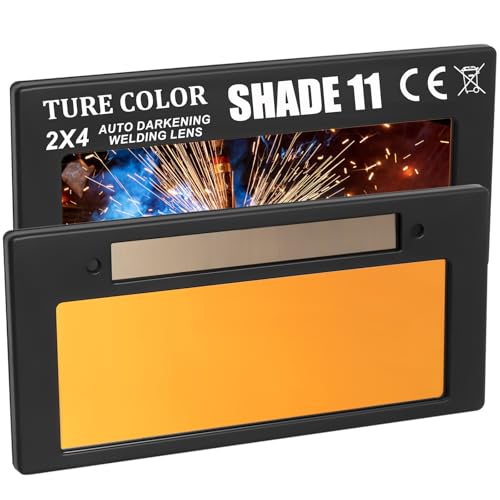
Swess’s shade 11 auto-darkening lens emphasizes rapid protection with a golden coating designed for reduced glare and a blue-tinted visual experience. The lens supports 7 true color technology, transmitting up to seven true colors to improve visibility and weld placement in both bright and dim conditions. UV and IR blocking helps safeguard eyes during extended sessions, while the coating contributes to durability and longevity in demanding shop environments. The overall result is clearer welds and a more comfortable viewing experience during long runs.
Practically, Swess offers a strong balance of performance and style with a focus on color fidelity and glare reduction. The eye-protective benefits are complemented by durable housing and easy maintenance. For buyers, this option suits workers who spend long periods at the bench, especially in variable lighting conditions, and who prioritize true-color visibility for high-quality bead control.
Tefuawe 2×4 Shade 11 Auto Lens

Tefuawe’s 2×4 shade 11 model emphasizes a thin 0.19-inch profile, designed to fit in all 2×4-1/4-inch welding hoods, including pancake and sugar-scoop types. It supports low-amp TIG welding down to 5 A, and the high-temperature resistant housing reduces lens failures due to heat. The exclusive optics system helps capture the arc steadily across varying welding applications, delivering more consistent color and contrast. This makes it a practical choice for pipelines, fabrication shops, and other environments where both light and heat are common.
The design focuses on durability and versatility, with a lens that remains stable under extended use and across multiple processes. For users who frequently switch between low-amp TIG and heavier MIG or stick welding, this option offers a compact, responsive solution that maintains clear visibility and accurate puddle placement while protecting the welder’s eyes.
Buying Guide
When choosing a shade 11 auto-darkening lens, key factors influence performance, safety, and comfort. The right choice depends on your typical welding tasks, hood type, and working environment. The following considerations outline essential trade-offs and how they affect real-world results.
Sensor Speed And Darken Time
Sensor speed determines how quickly the lens reacts to the welding arc. Faster darkening, such as 0.01 ms in some models, minimizes exposure during arc initiation and reduces the chance of arc eye. Slower speeds (e.g., around 0.5 ms) still provide protection but may slightly affect the initial clarity when the arc starts. For high-speed, precise work or frequent arc starts, prioritize lenses with ultra-fast response and low darkening delay.
Coatings, Color Fidelity, And True Color Technology
Coatings—especially gold or other tinted surfaces—can reduce glare and improve comfort during long sessions. True color technology improves color fidelity by transmitting a broader spectrum of colors, helping you see the weld puddle more accurately. If color perception is critical to your work (tight tolerances or color-coded processes), look for true color performance and glare-reducing coatings in shade 11 options.
Viewing Area And Fit
A larger viewing area provides more context for bead placement and reduces the need to move your head excessively. Hood compatibility matters, too; check whether the lens fits pancake, sugar-scoop, or other 2×4 configurations. Lens thickness can affect heat resistance and durability—thinner designs save weight but may require more careful handling in high-heat environments.
Durability, Warranty, And Support
Durability matters in shop settings where heat, dust, and occasional drops occur. Look for high-temperature housing, UV/IR protection, and robust coatings. Warranties and guarantees vary by brand; options with a 90-day money-back period and a 1-year or longer warranty offer greater protection against manufacturing defects and premature wear.
TIG Compatibility And Amp Range
For TIG welding, some shade 11 lenses perform best at higher amperages. If you frequently TIG at low amps (below 90 A), verify the manufacturer’s guidance for TIG compatibility to avoid issues like delayed darkening or flashing. In such cases, you might choose a model explicitly rated for low-amp TIG or consider a higher shade or adjustable option.
Maintenance And Replacement
Routine cleaning and inspection preserve clarity and prevent scratches on the viewing surface. Replacement lenses and frames vary in availability and cost; selecting a brand with clear replacement options helps minimize downtime. Regular checks for coating wear or delamination are important for maintaining consistent opacity and color accuracy.
Pricing, Availability, And Brand Support
Prices vary across brands and model features, but durability, warranty coverage, and color accuracy often justify higher costs for professional use. Availability matters as well; some models have broader distribution or faster shipping. Consider brand reputation and customer support when choosing replacement parts, service, and troubleshooting assistance.