Best SD Cards for Video Recording and 4K
Choosing the right SD card is critical for stable video capture, reliable 4K playback, and smooth workflow. This guide highlights five high-performance options best suited for video work, from 4K UHD to cinema-quality footage. We compare speeds, capacities, and compatibility to help you select the right card for cameras, camcorders, and capture devices.
Summary of selected products
| Product | Brand | Capacity | Key Speeds |
|---|---|---|---|
| SanDisk 128GB Extreme PRO SDXC UHS-I | SanDisk | 128GB | Up to 200MB/s read, 90MB/s write |
| SanDisk 256GB Extreme SDXC UHS-I | SanDisk | 256GB | Up to 180–200MB/s read, 130MB/s write |
| Lexar 128GB Professional 2000x SD Card | Lexar | 128GB | Up to 300MB/s read, UHS-II |
| SanDisk 256GB Ultra SDXC UHS-I | SanDisk | 256GB | Up to 150MB/s read |
| SanDisk 256GB Extreme microSDXC UHS-I | SanDisk | 256GB | Up to 190MB/s read, 180MB/s write |
The following sections cover each product in detail, with a focus on real-world video workloads, compatibility, and value for money. Each section stays concise while providing actionable information for pro and enthusiast videographers alike.
SanDisk 128GB Extreme PRO SDXC UHS-I Memory Card
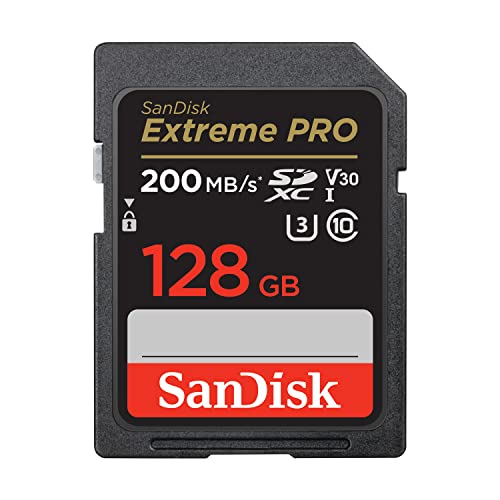
The 128GB Extreme PRO is designed for professional use with fast offload speeds and reliable performance. It features up to 200MB/s read and up to 90MB/s write speeds, enabling efficient 4K video capture and rapid file transfers. SanDisk QuickFlow Technology enhances data throughput on compatible devices, potentially shortening transfer windows after shoots. The card is optimized for 4K UHD recording and is commonly paired with high-end cameras and readers to maximize performance.
Key considerations: compatibility with devices capable of sustained high-speed writes; ensure your workflow supports the QuickFlow-enabled speeds; real-world performance varies with host hardware and interface.
SanDisk 256GB Extreme SDXC UHS-I Memory Card

This 256GB model ramps up capacity for longer shoots without swapping cards. It offers up to 180MB/s read and up to 130MB/s write (Fast offload is highlighted by SanDisk QuickFlow Technology on supported capacities). It’s compatible with a range of 4K recording devices and supports high-bitrate workflows. For producers who log long takes or multi-camera sessions, this card provides breathing room while maintaining solid transfer speeds to editors.
Key considerations: verify device compatibility with QuickFlow—some setups may not reach the peak speeds; still, the card delivers strong, reliable performance for most 4K workflows.
Lexar 128GB Professional 2000x SD Card

Lexar’s 128GB Professional 2000x SD Card leverages UHS-II, delivering up to 300MB/s read speeds and high performance for cinema-quality video. This card is well-suited for DSLR and mirrorless cameras, supporting extended Full HD and 8K capture where available. While backward-compatible with UHS-I slots, the real benefit comes from UHS-II hosts that can exploit the higher bandwidth for fast debayering and quick backups to editors.
Key considerations: ensure your camera supports UHS-II to unlock maximum speed; if not, you can still gain improved performance over UHS-I cards, especially during offload and high-frame-rate recording.
SanDisk 256GB Ultra SDXC UHS-I Memory Card

The 256GB Ultra line emphasizes solid everyday performance for mid-range point-and-shoot cameras and video devices. With up to 150MB/s read speeds, it handles Full HD recording confidently and offers ample storage for bulk footage. This card is a versatile option when 4K needs are limited or when a balance of price and capacity is desired for non-professional productions.
Key considerations: reliability and speed are adequate for most non-professional video tasks; it may not sustain the high write speeds required for long 4K bursts in some cameras.
SanDisk 256GB Extreme microSDXC UHS-I

This microSDXC card combines high capacity with robust speeds suitable for action cams, drones, and devices that rely on micro cards. With up to 190MB/s read and 180MB/s write on select capacities, it can support 4K recording and high-bitrate workflows when used with compatible devices and adapters. Pairing with an appropriate adapter and reader helps maximize throughput in editors and transfer stations.
Key considerations: ensure your device accepts high-speed microSDXC UHS-I cards and that adapters used don’t bottleneck performance; validate compatibility with your capture device’s firmware for maximum stability.
Buying Guide: Key Purchase Considerations
When selecting SD cards for video, consider these factors to optimize reliability and workflow outcomes:
- Speed class and burst performance: Look for C10, U3, and V30 or higher for 4K video; higher write speeds reduce dropped frames and buffering.
- Capacity alignment with project scope: 128GB is common for single-camera shoots; 256GB and above suit longer sessions without swapping cards.
- UHS type and device compatibility: UHS-I cards are ubiquitous, but UHS-II offers higher transfer rates for supported devices. Confirm host device compatibility to unlock full speed.
- Reliability and endurance: Pro-grade cards often feature rugged build quality and better error correction, reducing data loss during fieldwork.
- Quick transfer and workflow integration: QuickFlow-like technologies can speed offloads to editors when paired with compatible readers.
- Adapter use with microSD: If using microSD, ensure you have a reliable adapter and that your workflow supports the microSD’s speeds in your camera and editor setup.
- Brand and warranty: Reputable brands offer robust warranties and support, beneficial for professional productions with tight timelines.
- Future-proofing: Consider higher capacities and faster interfaces to accommodate evolving camera capabilities and higher-bitrate codecs.
In summary, the SanDisk Extreme PRO and Extreme lines, along with Lexar’s high-speed options, deliver strong performance for a range of video workloads. Selecting the right card depends on your device’s compatibility, your typical recording bitrate, and how long you expect to shoot before needing a change of media.