Choosing the right SD card for cameras and 4K video matters for reliability, speed, and storage. The cards below are widely used by enthusiasts and professionals and cover a range of capacities and performance levels. All are suitable for Full HD and 4K capture, with different read/write speeds and feature sets. The accompanying table provides quick comparisons to help you select the best option for your gear before diving into in-depth product details.
| Product | Brand | Capacity | Speed Class | Notable Feature |
|---|---|---|---|---|
| SanDisk Extreme PRO 256GB SDXC | SanDisk | 256GB | C10 U3 V30 | Up to 200MB/s read; 140MB/s write; QuickFlow; 4K ready |
| SanDisk Ultra 256GB SDXC | SanDisk | 256GB | C10 U1 | Up to 150MB/s read; Full HD capable |
| SanDisk Extreme 256GB SDXC | SanDisk | 256GB | C10 U3 V30 | Up to 180MB/s read; up to 130MB/s write |
| SanDisk Ultra 128GB SDXC | SanDisk | 128GB | C10 U1 | Up to 100MB/s read; Full HD suitable |
| Gigastone 256GB SD Card | Gigastone | 256GB | V30 | Up to 100MB/s; 4K UHD support; 5 years free data recovery |
SanDisk Extreme PRO 256GB SDXC Card

The SanDisk Extreme PRO 256GB SDXC card is designed for serious photographers and videographers who demand fast offloads and reliable performance. It leverages SanDisk QuickFlow technology to deliver up to 200MB/s read speeds and up to 140MB/s write speeds on compatible hosts and readers, helping to minimize wait times between shots and transfers. The card’s 256GB capacity provides ample space for high-burst shooting and 4K Ultra HD video. It carries the C10, U3, and V30 rating, ensuring steady performance for demanding workflows. Real-world speeds depend on your camera, reader, and operating conditions. For maximum throughput, pair with a high-performance reader when possible.
Key notes include that QuickFlow is available for larger capacities (64GB and up), and that SanDisk emphasizes compatibility with the SanDisk Professional PRO-READER SD and microSD for accelerated transfer, though those accessories are sold separately. This card is well-suited for professionals who shoot continuous sequences and require fast, reliable offloads to minimize downtime between takes.
SanDisk Ultra 256GB SDXC Card

The SanDisk Ultra 256GB SDXC card is aimed at compact to mid-range cameras and everyday shooting scenarios. It offers quick transfer speeds up to 150MB/s, which helps reduce downtime when moving photos and videos to a computer. The 256GB capacity makes it a practical choice for enthusiasts who capture longer sessions or prefer fewer card swaps. The card is rated C10 and U1, which is sufficient for Full HD video and standard photo bursts. While speeds can vary by host device and conditions, the Ultra line emphasizes dependable, budget-friendly performance for routine photography tasks.
In practice, this card balances affordability with solid read performance, making it a good fit for travel shooters, hobbyists, and those who primarily shoot in Full HD or moderate-resolution formats on a variety of cameras.
SanDisk Extreme 256GB SDXC Card

The SanDisk Extreme 256GB SDXC card is built for fast performance in demanding shooting conditions. It can reach up to 180MB/s read speeds, with write speeds around 130MB/s in optimal scenarios. The card carries the C10, U3, and V30 ratings, making it capable of smooth 4K and high-bitrate Full HD recording. SanDisk notes that QuickFlow technology is available on 64GB, 128GB, 256GB, 512GB, and 1TB capacities, enabling quicker offloads when paired with compatible devices. This card is a solid choice for sports, wildlife, and event photography that requires reliable, sustained data capture.
As with other high-performance cards, actual speeds vary with device, interface, and workload. Pairing with a capable SD reader can help maximize throughput and minimize lag during transfers from the card to a workstation.
SanDisk Ultra 128GB SDXC Card
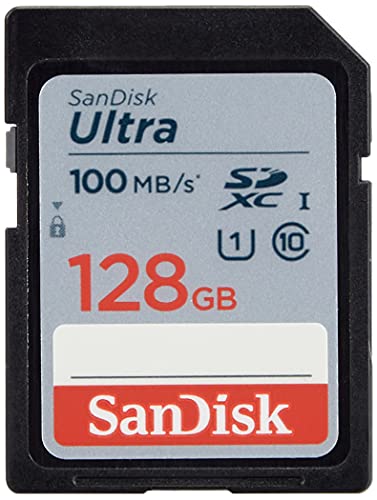
The 128GB SanDisk Ultra SDXC card provides a compact option for photographers who want dependable Full HD performance in a smaller footprint. With a read speed around 100MB/s, this card handles quick transfers and steady Full HD video recording for many entry-level to mid-range cameras. Its Class 10 rating and U1 speed class indicate reliable performance for typical photography and everyday video capture. The 128GB capacity is ideal for travelers and hobbyists who prefer lighter gear or wish to minimize the frequency of card swaps during shoots.
While not designed for high-burst, 4K-heavy workloads, it remains a solid choice for casual shooters, family videos, and budget-conscious buyers who still require dependable, real-world performance.
Gigastone 256GB SD Card

The Gigastone 256GB SD Card is positioned for 4K camera use with solid throughput and practical capacity. It offers up to 100MB/s data transfer, which is adequate for many 4K recording setups and security camera applications. The card is labeled A1 and V30, indicating suitability for apps and smooth 4K video capture. It’s also noted to be compatible with Canon digital cameras and includes a mini case for storage protection. A notable benefit is the advertised 5-year free data recovery, which can provide additional peace of mind for critical footage and long-term projects.
As with other value-focused options, performance can vary by device and workload. This Gigastone card is a practical choice when you need reliable 4K-capable storage without a premium price tag—and with recovery support as a bonus.
Buying Guide
Capacity and speed ratings
Choose capacity based on how much you shoot in a session and your editing workflow. 128GB handles day trips with Full HD or moderate 4K needs, while 256GB suits longer shoots and larger libraries. Speed classes matter: C10 indicates sustained write performance, U3 supports higher video bitrates, and V30 guarantees minimum sustained write speeds suitable for 4K. Read speeds matter for fast transfers to your computer, while write speeds affect real-time recording. For 4K or high-burst photography, prioritize U3/V30 and higher read speeds (ideally 180 MB/s+).
Video formats and device compatibility
4K and High Dynamic Range footage benefits from fast cards with Video Speed Class ratings. If your camera supports UHS-I and 4K recording, a card with U3/V30 is typically sufficient. Some cards also advertise QuickFlow offload technology, which speeds up transfers to readers. Check your camera’s manual to confirm supported capacities and speeds, as some devices cannot utilize the highest speeds even if the card is capable. For security cameras or dashcams, look for stable write performance and durability in varying environments.
Reliability and durability
Brand reputation and construction influence long-term reliability. SanDisk cards are widely trusted for professional work, with established read/write performance benchmarks. Gigastone and other brands offer competitive options, sometimes with recovery services. When shooting in challenging conditions, consider cards with robust build quality and warranties. In addition to speed, durability features such as shock resistance or temperature tolerance can reduce the risk of data loss in field conditions.
Device compatibility
Confirm the card’s compatibility with your camera or device, including maximum supported capacity and whether the device supports UHS-I or higher interfaces. While many cameras handle 256GB cards without issue, some bodies have firmware limits or slower readers that won’t exploit peak speeds. If you frequently transfer large RAW files or 4K video, pairing the card with a fast reader can unlock the full speed potential. Always format the card in the camera or device you intend to use to maximize reliability.
Budget and value
Budget-conscious buyers can find solid performance in 128GB or 256GB options from reputable brands. For 4K workflows and rapid transfers, investing a bit more in a high-speed U3/V30 card often pays off through reduced transfer times and fewer write interruptions. Compare not just price but real-world performance figures and the availability of helpful features such as data recovery services. Consider which features matter most for your use case—4K recording, wildlife bursts, or security footage—and choose accordingly.
Overall, for demanding 4K shooters and high-burst photographers, cards in the 256GB range with U3/UHS-I and V30 ratings provide a reliable balance of capacity and speed. For Full HD and casual use, 128GB options with solid read/write speeds remain a practical choice. Pairing the right card with a capable reader and reader software can further optimize performance across devices.