Best Film and Slide Scanners for Digitizing Negatives and Slides in 2026
If you’re looking to convert old negatives and slides into crisp digital files, you want a scanner that is easy to use, delivers good detail, and fits your preferred film formats. This guide highlights top options for American buyers, including standalone scanners with built-in displays and no-computer needed designs. The selections below are best for photo collectors, families preserving generations of memories, and educators digitizing class slides. A quick comparison table follows to help you decide at a glance.
| Product | Best For | |
|---|---|---|
| KODAK Slide N SCAN Film & Slide Scanner | Casual memory keepers and home users | 5” LCD, 22MP JPEG, 135/126/110 |
| Magnasonic All-in-One 24MP Film Scanner | Viewers who want HDMI output | 5″ LCD, 24MP, built-in memory |
| DigitPro Film And Slide Scanner | Budget-conscious digitizers | 5” LCD, 22MP, one-touch scan |
| PORTTA Film Scanner | Best value with options | 22MP, HDMI output, no computer required |
| KODAK SCANZA Digital Film & Slide Scanner | Comprehensive conversion tool | 3.5″ LCD, 14/22MP, adapters |
KODAK Slide N SCAN Film & Slide Scanner
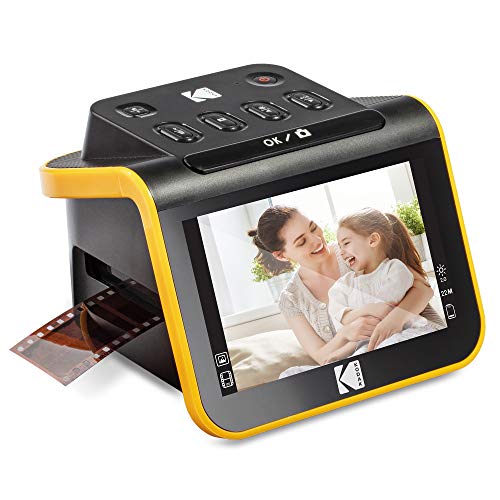
The KODAK Slide N SCAN model is designed for users who want a simple, stand-alone solution for digitizing 135, 126 and 110 film and slides. It features a 5” LCD display for gallery-style viewing and quick editing, plus a direct-to-SD option. This scanner suits households with a mix of slide sizes and those who prefer a wide viewing angle during scanning. The included 50mm slide holder and adapters support a quick-feeding workflow, reducing handling time.
- Best for: casual collectors who want an all-in-one device with a gallery view on a single screen.
- Why selected: Combines ease of use with direct SD card saving and multi-format compatibility.
- Caution: SD card not included; requires external storage for saving files.
Magnasonic All-in-One 24MP Film Scanner

The Magnasonic 24MP scanner prioritizes high-resolution digitization of 35mm, 110, 126, and Super 8 film as well as slides. Its built-in memory and SD card support simplify storage, and the 5″ display enables on-device viewing and basic editing. HDMI output expands viewing options to a television or monitor, which is convenient for sharing and archiving projects.
- Best for: users who want a larger display and HDMI connectivity for bigger viewing during digitization.
- Why selected: High resolution with flexible display options and convenient storage.
- Caution: HDMI output is not included in some bundles; confirm cables if needed.
DigitPro Film And Slide Scanner

DigitPro’s all-in-one solution emphasizes ease with a 5” LCD display and one-touch scanning that works with 35mm, residence 135, 110 negatives, 50mm slides, and Super 8 film. It offers built-in memory plus SD expansion, supporting quick digitization with minimal setup. The device is particularly user-friendly for those digitizing family heritage photos without computer software.
- Best for: families and educators who need straightforward, driver-free operation.
- Why selected: Simple workflow and broad compatibility across common film formats.
- Caution: Built-in memory is modest; plan to use an SD card for larger collections.
PORTTA Film Scanner

PORTTA delivers a versatile scanner with 16MP standard or 22MP enhanced output. It supports 135, 126, and 110 formats plus Super 8, and outputs via HDMI for big-screen viewing. The 5″ LCD provides instant previews and adjustments, making it ideal for users who want visible results during the scan and the option to share on a larger display.
- Best for: value-focused buyers who want high-resolution scans with external display support.
- Why selected: Flexible output options and no computer required.
- Caution: External storage capacity depends on SD card availability and formatting.
KODAK SCANZA Digital Film & Slide Scanner
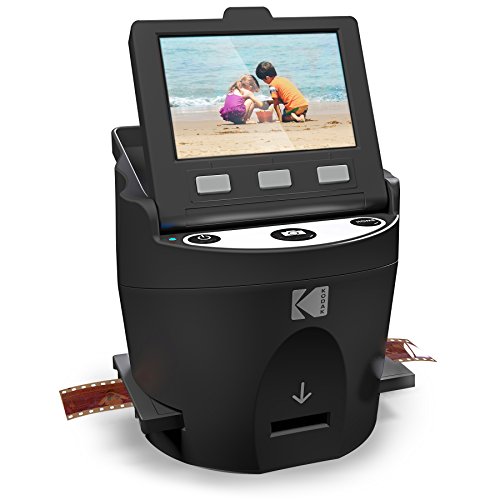
The Kodak Scanza is a dedicated film-to-digital converter designed for 35mm, 126, 110, Super 8, and 8mm formats. It offers a 3.5″ LCD and a wide array of adapters for fast operation, enabling quick digitization for multi-format slide and film collections. The device provides one-touch scanning with adjustable brightness, making it a practical all-in-one option for active slide libraries.
- Best for: users with a diverse film format library needing a single device to cover multiple formats.
- Why selected: Broad format compatibility and a compact built-in display for on-device review.
- Caution: Some users may require additional adapters not included in all bundles.
Buying Guide: Key Purchase Considerations
Format compatibility matters. If your collection spans 35mm, 126, 110, or Super 8, choose a scanner that explicitly supports those formats. A built-in LCD helps preview and adjust scans without a computer, while HDMI output can be helpful for family sharing on a TV or monitor.
Storage and workflow are important. Look for SD card support and optional external memory to handle large batches. One-touch scanning can save time, but ensure the unit offers settings you can adjust (brightness, color, and time/date) to maintain archival quality.
Display quality and usability influence your experience. A larger display aids inspection and alignment, especially for older slides with fading colors. Quick-feed trays reduce handling time, but verify that adapters exist for your exact slide types to minimize crop or misfeeds.
Budget versus capability. These devices range from compact entry-level models to more feature-rich options with higher megapixel output and broader format support. If you have a mixed library, consider a model with the most format versatility and the easiest workflow to avoid frequent equipment changes.
Frequently Asked Questions
- What formats do film scanners typically support? Most support 35mm, 126, 110, and sometimes Super 8 or 8mm film, along with slides. Verify exact compatibility before purchase.
- Do I need a computer to use these scanners? Many models are standalone and do not require a computer, though some offer additional software features when connected to a PC.
- Is HDMI output important? HDMI helps you view scans on a larger screen, which is useful for editing and sharing memories with others.
- How much storage do I need? Consider 22MP or higher output for high-quality archival scans and prepare SD cards with ample capacity for large batches.
- Are these scanners reliable for long-term archiving? Use the scanned files as digital backups and consider duplicating on multiple drives or cloud storage for safekeeping.