FPV flying blends speed, precision, and immersive perspective. The right RC plane camera kit transforms flights with crisp video and reliable transmission, even during fast maneuvers. This guide highlights five versatile kits and planes that pair cameras with FPV gear, suitable for beginners and seasoned pilots alike. Each choice prioritizes image quality, lightweight design, and straightforward setup, so pilots can focus on control and creativity. Use the buying guide at the end to compare key factors such as resolution, field of view, compatibility, and mounting options.
| Product | Best Use | Notable Feature |
|---|---|---|
| RunCam Spotter V2 FPV Camera Kit | All-in-One FPV for planes | 170° FOV, integrated mic and OSD |
| STARDRONE 1200TVL FPV Camera | Micro builds and planes | 1200TVL clarity, 2.5 g weight |
| C-20T Head Tracking Kit | Immersive head-tracking FPV | Headtracker, multi-protocol support |
| RunCam Phoenix 2 Special Edition V2 | Freestyle FPV and planes | 1000TVL, WDR, easy install |
| BEZGAR RC Plane For Kids With Camera | Beginner pilots and kids | 2.4GHz, dual batteries, LED lights |
Spotter V2 FPV Camera Kit

The RunCam Spotter V2 is an all-in-one FPV camera and transmitter designed for RC planes and other fixed-wing platforms. It pairs a micro AIO unit with a 170-degree FOV, 700TVL camera for immersive video. The 5.8 GHz transmitter supports 40 channels with adjustable output power from 20 mW to 200 mW, delivering strong, stable signals when paired with FPV goggles or a monitor. An integrated mic adds audio to the feed, while the on-screen display (OSD) shows telemetry in real time for safer control.
Its compact design minimizes weight and wiring, making it ideal for small planes or other tight builds. The V2 form-factor suits hobbyists upgrading entry kits or crafting a compact FPV platform for first-person flights, with reliable performance across common 5.8 GHz bands.
STARDRONE 1200TVL FPV Camera

The STARDRONE 1200TVL FPV Camera is a featherweight option designed for micro RC vehicles. Weighing about 2.5 grams, it measures roughly 14x14x18 mm, making it ideal for tight builds and agile planes. The 1200TVL CMOS sensor delivers sharp visuals of obstacles and markers at speed, helping pilots react quickly during races or freestyle flights. The 1.8 mm lens provides a wide field of view, enabling better situational awareness in cluttered environments, while PAL and NTSC modes ensure compatibility with a range of transmitters and goggles.
Despite its tiny size, the STARDRONE camera maintains reliable performance and supports light, compact installations for micro racers and tiny RC planes. The combination of weight, resolution, and a wide 160-degree field of view offers visibility without sacrificing agility. If your build prioritizes minimal payload with crisp video and reliable framing, this camera is a strong choice.
C-20T Head Tracking Kit
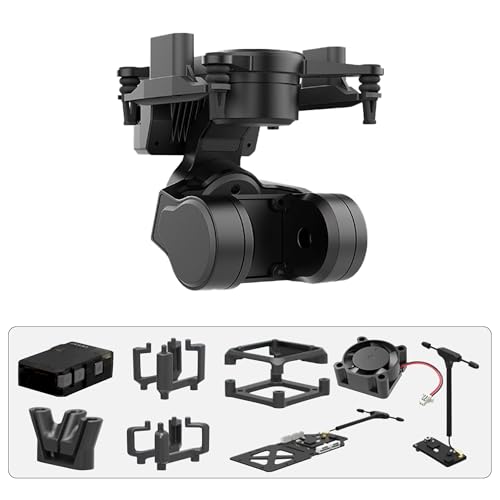
The C-20T FPV Head Tracking Kit combines a 3-axis camera gimbal with head-tracking, delivering immersive, hands-free control. It supports digital FPV systems like DJI O3, Walksnail Avatar and Moonlight, as well as RunCam Link Wasp and 19 mm analog cameras. The headtracker interprets head movements via UART, PWM, S.BUS, private protocol, and MAVLink protocols for fast, responsive view changes. Built from aluminum-magnesium alloy, it stays compact and lightweight while remaining durable for field use.
Phoenix 2 Special Edition FPV Camera

RunCam Phoenix 2 Special Edition V2 is a micro FPV camera designed for planes, drones, and racing machines. It uses a 1/2-inch CMOS sensor to deliver up to 1000 TVL resolution, with a broad 160-degree field of view. Global Wide Dynamic Range (WDR) handles bright and shadowy areas, helping pilots keep target details clear during fast passes or high-contrast maneuvers. Installation is simplified by a 6-pin connector and compatibility with RunCam’s OSD board or a user’s FPV transmitter, enabling flexible setup.
The Phoenix 2 is built for endurance and reliability in smaller airframes; the dust-protective rear cap design helps shield the sensor during rugged flights. It remains a popular choice for freestyle FPV sessions and plane flights where quick, consistent framing matters.
BEZGAR RC Plane For Kids With Camera

BEZGAR’s RC Plane For Kids combines an approachable, easy-to-fly platform with an integrated camera suitable for beginner pilots. The plane uses a 2.4 GHz radio system and a 6-axis gyro for stability, along with LED navigation lights for visibility. The package includes a camera to capture basic aerial footage, enabling young flyers to experience a taste of FPV-style flight in a safe, controlled environment. With 360-degree flips and automatic altitude hold, this model balances fun with learning, making it a popular entry point for kids ages 8–13.
Additional features include a low-battery warning and dual battery setup, which help extend play sessions and teach budding pilots about safe landings. The combination of simplicity, stability, and on-board camera makes it a solid choice for families introducing RC aviation to younger enthusiasts.
Buying Guide
When selecting an RC plane camera kit, consider how you’ll use the setup, your experience level, and the airframe you plan to equip. The following factors help compare the five options above and similar kits.
- Camera quality and field of view: Higher TVL (e.g., 1200TVL, 1000TVL) generally yields clearer images, especially in bright or high-contrast conditions. A wide FOV (such as 160–170 degrees) provides better peripheral awareness but can introduce fisheye distortion. For planes with tight turns or racing, a balance between resolution and FOV matters most.
- Weight and form factor: Micro cameras (like the 2.5 g STARDRONE) enable lighter airframes and better maneuverability, but may sacrifice some detail. Heavier, more robust cameras can improve stability but affect flight performance. Choose based on your plane’s payload capacity and expected flight time.
- Transmission power and frequency: 5.8 GHz systems with adjustable power (20–200 mW) offer flexibility for indoor/outdoor use and range. More power helps in cluttered environments or longer flights, but can introduce interference or regulatory limits in some regions. Always verify local rules before flying at higher power levels.
- Compatibility and ecosystem: Some cameras are designed as all-in-one kits (camera plus transmitter and OSD), while others are modular (camera plus separate transmitter or gimbal). If you want a simple setup, an all-in-one spotter like Spotter V2 reduces wiring. If you prefer head-tracking or digital FPV systems (DJI O3, Walksnail), ensure the unit supports those ecosystems, or plan for adapters and compatibility.
- Durability and mounting options: Look for dust seals, rugged housings, and available mounting hardware. For planes that endure rough landings or occasional crashes, durable shells and shock resistance improve longevity. Head-tracking kits should also offer secure, vibration-resistant mounting.
- Ease of setup and support: Some kits include plug-and-play OSD and user-friendly menus, while others require more configuration. Consider your willingness to tinker and the availability of documentation or community support.
- Use-case alignment: Beginners often benefit from all-in-one packages with built-in telemetry and simple mounting. Intermediate and advanced pilots may prefer modular systems for tailor-made performance, such as precise head-tracking or dedicated gimbals for stable footage.
In short, beginners tend to favor ready-to-fly kits with minimal wiring, such as BEZGAR’s kid-friendly planes with cameras, while more experienced pilots often choose flexible options like the Spotter V2 or Phoenix 2 that pair robust video with easy integration into existing FPV setups. For micro builds, STARDRONE’s ultra-light camera preserves flight agility without compromising visibility. And if head tracking enhances your control feel, the C-20T kit brings immersive, hands-free control to compatible platforms. Always assess airframe compatibility, be mindful of weight budgets, and verify that the chosen camera system fits your overall FPV workflow.