Best Range Finder Film Camera Picks for Analog Enthusiasts
Discover top range finder and range finder-inspired film cameras that blend classic control with modern reliability. From iconic 35mm systems to panoramic and half-frame formats, these selections cover a range of budgets and shooting styles while preserving the tactile experience of analog photography.
| Product | Format | Notable Feature |
|---|---|---|
| Leica M6 35mm Film Rangefinder Camera | 35mm | Iconic reliability and modern 0.72x rangefinder |
| FUJIFILM X-E5 Kit (Digital) | APS-C Mirrorless | Analog-inspired controls with interchangeable lenses |
| HOLGA 120 Pan Panoramic | Medium Format 120 | Panoramic 6×12 cm images |
| Contax TVS II | 35mm | Precision autofocus and rangefinder-like handling |
| KODAK EKTAR H35 Half Frame | Half-Frame 35mm | Double exposures per roll, compact portability |
Below are five carefully chosen cameras that align with the “range finder film camera” theme. Each entry includes technical highlights, photography style notes, and practical considerations to help you choose the right fit for your shooting preferences.
Leica M6 35mm Film Rangefinder

The Leica M6 represents enduring craftsmanship and a storied lineage in analog photography. Known for its robust build and consistent performance, the M6 offers a true rangefinder experience with a precise viewing system and a modern 0.72x magnification. The camera’s light meter is integrated with clear indicators, using red dot and arrow symbols to display exposure, while the top cover blends durable diecast zinc with abrasion-resistant lacquered brass accents. This model balances classic form with practical, today-friendly features.
Key considerations: The M6 emphasizes manual exposure control and a tactile shooting experience. It excels in street and documentary work where quiet shutter action and precise framing matter. Users should plan for film loading, battery management for the meter, and potential maintenance given its vintage pedigree. Overall, it’s a premium choice for purists seeking a timeless, reliable film rangefinder.
Fujifilm X-E5 Kit with XF23mmF2.8
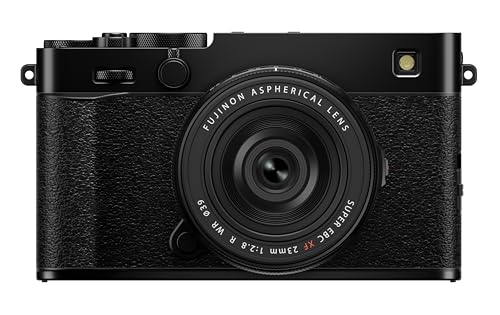
Fujifilm’s X-E5 captures the look and feel of classic rangefinders while delivering modern digital flexibility. With interchangeable lenses and a compact body, the X-E5 echoes analog controls through a film-like user experience and a customizable Film Simulation dial for in-camera aesthetics. The kit includes a versatile 23mm option and broad compatibility with X Mount optics and accessories, offering a contemporary path for shooters who want the rangefinder-inspired feel with digital conveniences like Bluetooth connectivity and quick recall of custom image recipes.
Key considerations: This is a digital alternative that preserves the visual and control language of rangefinders. It suits photographers who value retro ergonomics, quick lens changes, and the option to shoot in film-like simulations. It isn’t a true film camera, but its handling and design pay homage to that tradition with a modern, flexible toolkit.
HOLGA 120 Pan Panoramic
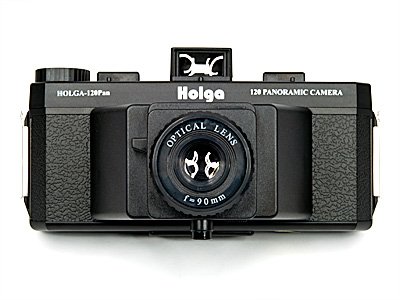
The HOLGA 120 Pan offers a low-cost route to panoramic, wide-format image capture on 120 film. Its simple design emphasizes creative unpredictability, with a 90mm optic and a panoramic viewfinder that supports expansive compositions. This camera embraces a playful, experimental approach, delivering character-filled photographs with soft focus and vignette aesthetics that appeal to photographers exploring unique mood in landscapes and urban scenes.
Key considerations: Expect basic exposure control and limited precision compared to higher-end systems. The panoramic format is great for storytelling in a single frame, but the camera’s simplicity means less consistency across shots. It’s ideal for photographers seeking a distinctive, budget-friendly entry into panoramic film work or a fun retro project.
Contax TVS II with Vario Sonnar Lens

The Contax TVS II stands out for its compact, precision-focused design and a high-quality Carl Zeiss Vario Sonnar 28–56mm lens. It combines autofocus capabilities with a real-image zoom viewfinder and an infrared rangefinder, enabling precise composition and subject isolation. The camera supports aperture-priority and program AE modes, plus built-in motorized film winding and rewinding for smoother operation. Its titanium-like build and battery-powered features position it as a more advanced, reliable option within the 35mm film segment.
Key considerations: This camera targets photographers who want a modernized film experience with accurate autofocus and a robust feature set. Weight, battery life, and availability of replacement parts may impact long-term ownership. It’s suitable for travelers and enthusiasts seeking a polished, all-in-one film solution with a touch of modern engineering.
KODAK EKTAR H35 Half Frame

The KODAK EKTAR H35 Half Frame camera doubles your exposures by using a half-frame format, effectively delivering twice as many images per roll. It’s designed to be lightweight and user-friendly, making it accessible to newcomers and casual shooters. The built-in flash is activated by a rotating silver ring around the lens, enabling daytime and nighttime shooting with a compact, pocketable profile.
Key considerations: Half-frame format creates a distinct aspect ratio and can influence composition. While easy to carry, some users may miss the feel of a full-frame system. It’s well-suited for travel or daily carry, offering a simple way to maximize film usage without sacrificing portability.
Buying Guide: Key Purchase Considerations
Format and image language: Decide whether you want true rangefinder-based focusing (like the Leica M6 and Contax TVS II) or a digital homage with rangefinder-inspired handling (such as the Fujifilm X-E5). Each approach yields a different shooting experience, aesthetics, and post-processing workflow.
Lens ecosystem and versatility: Look at the available lens ecosystems, including focal lengths, compatibility, and future upgrade paths. A strong lens lineup expands creative potential, especially for documentary, street, or landscape work.
Body build and ergonomics: Consider weight, grip, and control layout. A comfortable handling profile can significantly impact shooting sessions, particularly for longer street shoots or travel.
Maintenance and reliability: Vintage film cameras may require service or part availability. Assess the ease of service, reliability of the meter (for models with built-in exposure metering), and the availability of replacement parts.
Budget and total ownership: Include the cost of lenses, film, maintenance, and potential repair. While some models are premium, others offer affordable access to analog shooting with reliable results.
Creative goals: If you value precise rangefinding and classic control, a true rangefinder camera offers a tactile experience. If you prioritize flexibility and modern features, a digital mirrorless option with rangefinder-inspired controls may be preferable. Half-frame and panoramic formats also broaden creative possibilities for storytelling and experimental work.