Choosing between prime and zoom lenses hinges on your shooting style, gear, and goals. Primes often deliver maximum sharpness and large apertures, but you’ll swap focal lengths to frame your subject. Zooms offer flexible framing on the fly, reducing lens changes and saving time in dynamic environments. This guide reviews five widely available lenses that illustrate how zoom versatility compares with prime-like performance, including two Canon zooms, two Sony zooms, and a top smartphone telephoto option. Use the quick snapshot table below to compare at a glance, then explore detailed product sections and practical buying guidance to decide what fits your needs best.
| Product | Type | Best For | |
|---|---|---|---|
| Sony FE PZ 16-35mm F4 G Zoom Lens | Zoom Wide-Angle | Video, landscapes | Power zoom with XD linear motors |
| Canon EF 100-400mm f/4.5-5.6L USM | Telephoto Zoom | Wildlife, sports | Image Stabilization and top‑tier glass |
| Canon EF-S 55-250mm f/4-5.6 STM | Telephoto Zoom | Portraits, distant subjects | STM quiet AF and IS |
| Sony 16-50mm f/3.5-5.6 OSS | Zoom Kit Lens | Travel, everyday | Compact, retractable, ED/aspheric elements |
| Freewell 6X Telephoto Smartphone Lens | Smartphone Telephoto | On‑the‑go telephotos | 6x magnification with 17mm thread |
Sony FE PZ 16-35mm F4 G Zoom Lens
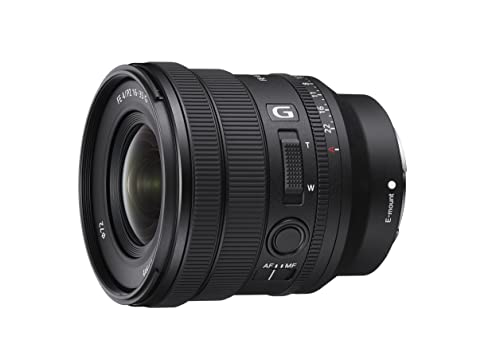
The Sony FE PZ 16-35mm F4 G is a full‑frame wide‑angle zoom designed for versatile shooting with a compact, lightweight form. It features a power zoom system driven by four XD Linear Motors, enabling smooth, precise zoom changes ideal for video work and run‑and‑gun shooting. The constant f/4 aperture maintains consistent exposure while you adjust your framing, reducing the need to constantly recompose. The design minimizes angle‑of‑view shifts during focusing or zooming, helping keep footage stable and visually cohesive. Quiet autofocus and a refined balance between speed and control make it a strong choice for travelers, indie videographers, and landscape shooters seeking flexibility without sacrificing image quality.
In terms of optics, the lens aims for a balance of performance and practicality. While not a prime in terms of maximum aperture, the G series optics deliver sharp corners and good color rendering across the zoom range. The lens also emphasizes build quality, with a solid feel suitable for handheld and tripod use. For creators who require fluid shot movement and reliable performance across a wide field of view, this zoom lens provides a compelling blend of speed, control, and image fidelity.
Canon EF 100-400mm Telephoto Zoom Lens

The Canon EF 100-400mm f/4.5-5.6L IS USM offers an expansive telephoto range with two image stabilization modes to counter camera shake, enhancing handheld shooting in variable light and when using longer focal lengths. This L‑series telephoto zoom employs advanced optical elements, including fluorite and Super UD glass elements, to minimize chromatic aberration and deliver clear, high-contrast images from mid‑range to long telephoto. The USM motor ensures quick, responsive autofocus with smooth tracking, making it a solid option for wildlife, sports, and event photography where reach and reliability matter more than portability. The build is rugged, designed to withstand demanding outdoor use.
With a well‑balanced zoom range, this lens pairs well with cameras that benefit from extended reach without swapping lenses. It supports high‑resolution sensors by preserving edge-to-edge sharpness and microcontrast across the frame. While heavier than standard zooms, its optical quality and stabilization make it a favorite for professionals and enthusiasts who shoot birds in flight, distant action, or distant landscapes where precise framing is critical.
Canon EF-S 55-250mm Telephoto Zoom Lens

The Canon EF-S 55-250mm f/4-5.6 STM is a versatile telephoto zoom designed for APS‑C DSLR bodies. It provides a 35mm equivalent focal length of about 88-400mm, offering substantial reach for portraits, wildlife, and sports without excessive bulk. Optical image stabilization helps reduce camera shake, enabling sharper handheld shots in lower light or at higher magnifications. The STM motor provides near‑silent and smooth autofocus, which is particularly advantageous for video work and quiet shooting environments. This lens is a practical, affordable choice for enthusiasts who want meaningful reach without a heavy or bulky setup.
In use, this lens shines when you need to fill the frame with distant subjects while maintaining portability. For beginners expanding beyond kit zooms or photographers who shoot wildlife and birds from a distance, the EF-S 55-250mm offers solid performance, reliable IS, and a compact footprint that makes it an appealing travel companion.
Sony 16-50mm F/3.5-5.6 OSS Zoom Lens

The Sony 16-50mm f/3.5-5.6 OSS Alpha E‑Mount Zoom Lens is a compact, retractable kit lens designed for Sony mirrorless cameras. Its 16-50mm range covers wide to moderate telephoto perspectives, making it versatile for travel, landscapes, and everyday photography. The lens leverages optical coatings and lens elements to minimize common issues like chromatic aberration and distortion, helping maintain image quality across the zoom range. It includes Optical SteadyShot (OSS) to improve handheld stability, which is valuable for dynamic shooting scenarios where a lighter setup is preferred. The retractable design keeps the lens compact when not in use, aiding portability on the go.
As an everyday zoom option, this lens provides dependable performance for beginners and enthusiasts alike, offering a balanced mix of convenience, weight, and optical quality. It’s particularly well-suited for shooters who want a simple, all‑purpose lens that covers broad composition scenarios without swapping lenses frequently.
Freewell 6X Telephoto Smartphone Lens

The Freewell 6X Telephoto Lens for smartphones provides a 6x optical magnification, allowing distant subjects to come into sharper focus without moving physically closer. It attaches via a 17mm thread mount to compatible smartphone cases or rigs, enabling quick attachment and removal during shoots. The lens kit emphasizes precise framing for wildlife, sports, and landscape photography where maximum reach in a compact form is beneficial. A dual‑sided multi‑layer anti‑reflective coating helps minimize glare and ghosting, supporting clearer images in challenging lighting. This accessory is a practical option for mobile content creators who want superior telephoto performance without investing in a camera body and lenses.
While it won’t replace dedicated telephoto glass on a camera body, the Freewell smartphone telephoto lens fills a niche for travelers, vloggers, and social media creators who prioritize portability and ease of use without sacrificing focal length flexibility.
Buying Guide
When choosing between prime and zoom lenses, consider how you shoot most often, your camera system, and your travel or work needs. Here are key purchase considerations and comparisons to help you decide which option aligns with your goals:
- Intended use and framing flexibility: If your work demands rapid framing and changing compositions, a zoom lens offers on‑the‑fly versatility. For landscapes and portraits where you can plan a precise composition, a prime can deliver maximum sharpness and often brighter performance at a given focal length.
- Aperture and light: Primes typically feature larger maximum apertures, enabling shallower depth of field and better low‑light performance. Zooms often have smaller maximum apertures, but some high‑end options preserve strong performance across the zoom range. If you shoot a lot in dim light, weigh aperture against convenience and budget.
- Weight, size, and portability: Prime lenses are frequently lighter per focal length, but zooms consolidate focal ranges into a single bulky unit. For travelers and vloggers, a compact zoom like Sony’s 16‑50mm or a smartphone telephoto may reduce gear burden, while giving you flexibility on location.
- Autofocus performance and video suitability: Lenses built for video (and lenses with quiet AF motors) reduce noise in recordings. Power‑zoom or smooth electronic zoom features can be a decisive factor if you produce video content regularly, as seen in Sony’s PZ zoom line.
- Optical quality and coatings: Look for elements such as UD/ED glass, aspherical elements, and multi‑coating to minimize aberrations and ghosting across focal lengths. Higher‑end zooms in particular may rival primes for sharpness, especially at mid to long ranges.
- System compatibility and ecosystem: Canon EF/EF‑S and Sony E mounts require compatible camera bodies. For DSLR users, the Canon zooms excel alongside Canon bodies, while Sony shooters benefit from native E‑mount lenses and compact designs like the 16‑50mm kit lens.
- Budget and value: Zooms that cover a broad focal range reduce the need for multiple lenses, offering value for beginners and travelers. However, primes with exceptional optical performance may be a smarter long‑term investment for photographers who prioritize image quality and faster apertures.
Bottom line: If you value speed, framing flexibility, and travel convenience, a high‑quality zoom (such as those reviewed here) often delivers the best overall package. If your priority is image quality, subject isolation, and superior performance in a specific focal length, a prime may win out—especially in controlled environments like studios or portrait work. For many photographers, a combination approach—one versatile zoom plus one or two prime lenses in key focal lengths—can cover most shooting scenarios with reduced gear swaps and enhanced results.