Best Photography Gloves for Cold Weather That Protect Your Hands and Your Gear
When shooting in cold weather, keeping hands warm without sacrificing dexterity is essential. The following gloves blend warmth, grip, and camera-friendly functionality, helping you operate dials, tap screens, and handle gear even in low temperatures. Below you’ll find five top picks with distinct strengths, from convertible mittens to touchscreen-compatible designs. A quick summary table follows to help you compare key features at a glance.
| Product | Brand | Key Benefit | Best For |
|---|---|---|---|
| Palmyth Flexible Fishing Gloves (Large) | Palmyth | Convertible, finger caps with magnets; water-repellent | Photography in mild cold, outdoor pursuits |
| KastKing Mountain Mist Cold Weather Gloves | KastKing | Open finger slots with snug fit; touchscreen friendly | Photography, ice fishing, hunting |
| Vallerret Markhof Pro V3 Photography Glove | Vallerret | FlipTech finger caps; Merino wool and Thinsulate | Deep winter photography |
| Palmyth Ice Fishing Gloves Convertible Mittens | Palmyth | 3M Thinsulate; windproof; convertible | Cold weather photography and outdoor work |
| Palmyth Wool Fishing Gloves 3-Cut Fingers | Palmyth | Dexterity with 3-cut exposure; fingerless when needed | Precision camera work in cold |
Palmyth Flexible Fishing Gloves Large – Convertible, Windproof

These gloves are designed for multiple sports, including photography. The flip-back thumb, index finger, and middle finger caps secure your ability to tie lines, adjust camera settings, and operate a smartphone in cold weather. The gloves feature a plush fleece interior for warmth and a windproof, water-repellent softshell exterior. They are best used around 36°F or warmer and may not be ideal for extremely cold or snowy days. A snug neoprene cuff and adjustable wrist strap help seal out cold air.
Key features include a partially synthetic leather reinforced palm for grip and durability, elastic cuffs to prevent wind from entering, and easy removal with finger-tip pull rings. This option provides a balance of warmth and dexterity, suitable for photography sessions, light outdoor activities, and general cold-weather use.
Pros and Cons
- Pros: Convertible design, responsive finger caps, good grip, windproof.
- Cons: Not ideal for extreme cold or heavy sleet; water resistance is splash-focused.
KastKing Mountain Mist Gloves – Open Fingers for Precision

The Mountain Mist line emphasizes dexterity with open finger slots and a snug fit. Fleece-lined back and a microfiber palm provide warmth and grip, while the hook-and-loop wrist closure ensures a secure fit. The finger slots let you change hooks, operate a touchscreen, or frame shots without removing gloves. The design prioritizes camera operation and basic outdoor activities in cool conditions, making it a practical choice for photographers who need quick access to gear or devices while staying warm.
Highlights include touchscreen-friendly fingertips and anti-slip palm material. The gloves are compatible with photography needs such as quick shot adjustments and handling small accessories, without stripping away warmth. They’re particularly well-suited for brisk days and activities where finger dexterity outweighs heavy insulation.
Pros and Cons
- Pros: Open finger design, touchscreen capable, secure wrist closure.
- Cons: Not the warmest option for extreme cold; the exposed fingertips may get cold in windy weather.
Vallerret Markhof Pro V3 Photography Glove – Deep Winter Ready

Designed for deep winter conditions, the Markhof Pro V3 uses 100% Merino wool inner lining and Thinsulate insulation for warmth. The FlipTech finger caps with magnets enable rapid access to camera controls without exposing too much skin. The outer shell combines DWR suede and twill with a laminated membrane to deliver weather protection while maintaining flexibility. The ergonomic fit and flexible cuff help keep warmth in and water out. This glove targets photographers who shoot in very cold environments and require reliable insulation coupled with full access to their camera controls.
Core features include a weather-resistant build, a comfortable fit, and warmth without bulk. The gloves are designed to balance warmth and maneuverability, making them suitable for long shoots in winter—especially in damp or windy conditions where weather protection matters as much as tactile control.
Pros and Cons
- Pros: Excellent warmth, magnetic finger caps, touchscreen compatibility.
- Cons: Higher-end price point; may feel bulky for some hands.
Palmyth Ice Fishing Gloves Convertible Mittens
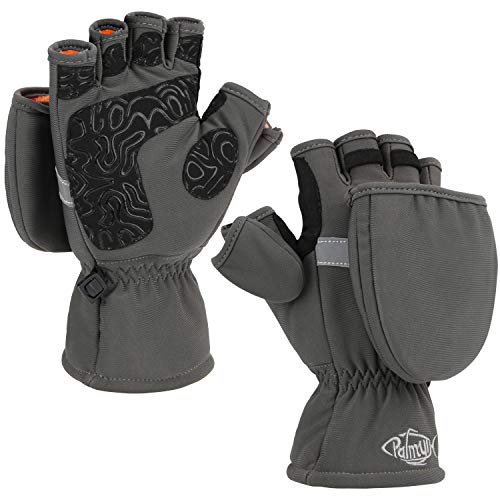
This Palmyth model provides a convertible mitten design that transforms into fingerless gloves via magnets. Its 3M Thinsulate insulation offers warmth without bulk, and the insert windproof TPU membrane helps keep hands dry during outdoor activities. The silicone palm grip enhances control when handling gear such as cameras or fishing rods. A windproof cuff and adjustable wrist strap help seal out drafts. It’s suitable for mild cold and changing conditions, with heat packs compatible pockets for added warmth during extended sessions.
Key considerations include the balance between warmth and dexterity, the windproofing effectiveness, and how the glove handles moisture. This option is practical for photographers who may be dealing with wind-heavy environments or changing weather throughout a session, while still requiring finger access for precise camera work.
Pros and Cons
- Pros: Convertible design, windproof, grippy palm.
- Cons: Thinsulate warmth is best in milder cold; heavy moisture can still affect comfort.
Palmyth Wool Fishing Gloves 3-Cut Fingers – Dexterity Indoors and Outdoors
Featuring a 3-cut finger exposure design, this Palmyth model provides targeted finger access for precise camera control, knot tying, and smartphone use. The blend of stretch knit wool/nylon offers warmth with moisture-wicking properties, while a synthetic leather palm and silicone print on the palm deliver extra grip. This glove is well-suited for photographers who need steady control in cold weather and prefer a flexible fit with partial finger exposure. It’s designed to balance warmth with manual dexterity, particularly during outdoor shoots that require hands-on gear handling.
Considerations include dexterity vs. warmth and the durability of the grip material. This option is a good pick for photographers who shoot with compact setups and need frequent finger movement without removing gloves.
Pros and Cons
- Pros: Enhanced dexterity, moisture-wicking knit, grippy palm.
- Cons: May not provide maximum warmth in freezing winds, depends on activity level.
Buying Guide: Key Considerations For Cold-Weather Photography Gloves
Choosing the right photography gloves depends on your typical climate, shooting style, and gear demands. This guide covers essential factors to weigh when buying, helping you select gloves that maximize warmth, dexterity, and camera control.
- Insulation vs. dexterity: Heavier insulation increases warmth but can hinder finger mobility. Look for thin insulation like Thinsulate or merino wool blends for a balance that preserves control.
- Finger design: Convertible mittens, flip caps, or partial finger exposure designs affect how often you access your camera controls. Decide which style best suits your typical shooting needs.
- Wind and water resistance: For outdoor photography in wind or light moisture, a windproof and water-repellent shell helps keep hands dry and comfortable without trapping sweat.
- Touchscreen compatibility: If you rely on touchscreen controls or phone photography, ensure the fingertips support responsive touch input.
- Grip and palm material: A reinforced or silicone grip on the palm improves handling of camera bodies and tripods, reducing the chance of slips in cold conditions.
- Fit and adjustability: Elastic cuffs, hook-and-loop closures, and ergonomic fits prevent cold air from entering and improve overall comfort during long shoots.
- Durability and weather tolerance: Some gloves are designed for splash resistance rather than full immersion. Consider your typical exposure levels to rain, snow, or moisture.
- Size selection: A snug fit is crucial for tactile sensitivity. Measure hand circumference and consult sizing guides to avoid gloves that are too loose or tight.
When selecting a pair, consider testing gloves across a range of temperatures and activities. If possible, prioritize models offering easy switching between fingerless and full-finger modes, and pay attention to how quickly you can regain warmth after removing gloves for extended photography tasks.