Vintage flash cubes defined a generation of on-camera lighting, delivering quick, colorful bursts with compact hardware. Today, enthusiasts seek authentic retro effects or reliable modern options that honor the look of those early shots. This article gathers five Amazon picks that touch on the era’s cube hardware and compatible modern flash systems, offering a practical sense of what to expect from classic lighting and contemporary alternatives. Below is a concise summary of the chosen products to help you compare at a glance.
| Product | Brand | Notes |
|---|---|---|
| General Electric Flash Cubes For Flash Cube Cameras | GE | Classic cubes; For standard flashcube cameras; 12 guaranteed flashes |
| PHOTOOLEX FK310 Flash Speedlite | PHOTOOLEX | Manual, S1, S2 modes; Not TTL; Wide camera compatibility |
| PHOTOOLEX FK300 Camera Flash Speedlite | PHOTOOLEX | GN33; 5600K; Manual/S1/S2; Multi-flash capability; Not TTL |
| NEEWER TT560 Flash Speedlite | NEEWER | Manual flash; 0–90° vertical, 0–270° horizontal; Broad camera compatibility |
| S-ZONE Camera Insert Bag Waterproof Lens Cube Case | S-ZONE | Water-repellent; Fits 1 SLR/DSLR + 1–2 lenses + accessories; light and portable |
General Electric Flash Cubes For Flash Cube Cameras

General Electric Flash Cubes were a staple for many classic cameras, delivering predictable light bursts in a compact form. These cubes were designed for standard flashcube cameras and offered a set of 12 guaranteed flashes, making them a convenient option for photographers seeking to reproduce the era’s distinctive lighting. The cubes attach to the camera’s flash unit, producing a brief, uniform flash that helps generate the warm, slightly punchy look associated with mid-20th-century photography. They remain a reference point for collectors and shooters aiming to recreate authentic vintage results.
For modern practitioners, GE flash cubes serve as a tangible link to the past and a learning tool for understanding how lighting angles and color temperature shape the mood of a scene. While the format is no longer mainstream, authentic cube lighting can complement retro camera bodies or be simulated with color gels and post-processing on digital cameras. When used with compatible cube cameras, these units can provide reliable, repeatable results and a tangible tactile experience that older gear enthusiasts value.
PHOTOOLEX FK310 Flash Speedlite
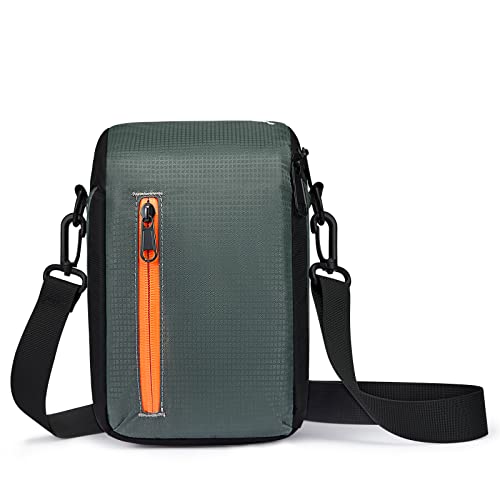
PHOTOOLEX FK310 is a compact, versatile flash unit designed to work with many major brands via a single contact hot shoe. It supports three flash modes—Manual, S1, and S2—giving photographers control over how the light behaves relative to the main flash. The unit does not support TTL or camera menu settings, which means users rely on manual exposure decisions and external triggers for advanced setups. Compatibility spans Canon, Nikon, Sony, Panasonic, Olympus, Fujifilm, Pentax, and more, making it a flexible option for shooters who want a dependable, non-TTL flash that suits a wide range of bodies.
In practice, the FK310 is well-suited for creative lighting without automatic exposure adjustments. It’s a practical choice for those who prefer hands-on control, studio-like lighting scenarios, or flash photography education where manual technique is taught and tested. The absence of TTL simplifies the exposure workflow in exchange for direct, predictable flash output. As with any non-TTL unit, accuracy depends on the photographer’s understanding of guide numbers, distance, and aperture settings in collaboration with the scene’s lighting needs.
PHOTOOLEX FK300 Camera Flash Speedlite

The FK300 from PHOTOOLEX delivers a higher level of power and flexibility, featuring a GN33 (at 35mm, ISO100) with a daylight color temperature around 5600K. It supports Manual mode as well as S1 and S2 wireless trigger modes, offering reliable synchronization with the main flash or second-light setups. The unit uses a metal hot shoe for durability, and it reports a quick recycle time of around 2.8 seconds, along with automatic power-saving and a wake-up function. It is designed for Canon, Nikon, Sony, Panasonic, Olympus, Fujifilm, Pentax, Sigma, Minolta, Leica, and other cameras with a single contact hot shoe, making it a robust option for enthusiasts seeking stronger, consistent lighting than entry-level models.
Users should note that FK300 does not support TTL, so exposure must be managed manually or via triggering with compatible systems. Its multi-flash capability makes it a good fit for creative lighting schemes, including subject relief and fill-in lighting in studio-like environments. The combination of a stable color temperature and a solid build makes FK300 a practical upgrade for photographers who want more control without stepping into high-end professional gear.
NEEWER TT560 Flash Speedlite
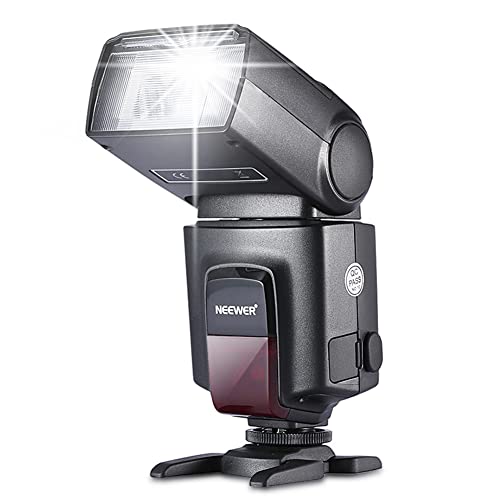
NEEWER TT560 is a budget-friendly, widely adopted speedlight known for its simplicity and reliability. Its vertical rotation (0–90 degrees) and horizontal rotation (0–270 degrees) enable flexible lighting angles for a range of setups, from portraits to product shots. It operates in manual flash mode and is compatible with many DSLRs and mirrorless cameras that use standard MI hot shoes. The unit charges when switched on, and its straightforward design makes it a popular choice for beginners and hobbyists who want to experiment with lighting without a steep learning curve. It does not support TTL, so photographers manage exposure manually or with external triggers.
In practice, TT560’s value lies in its balance of performance, simplicity, and price. It’s a practical bridge between basic flash units and higher-end gear, offering predictable output while leaving room for learning, experimentation, and creative lighting techniques. For travelers or students documenting vintage gear or retro-inspired shoots, this flash provides dependable results without breaking the budget, and it pairs well with non-TTL control schemes that emphasize hands-on technique.
S-ZONE Camera Insert Bag Waterproof Lens Cube Case
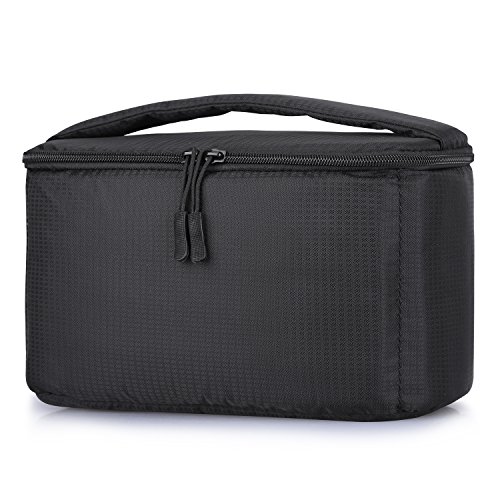
S-ZONE’s padded insert bag is designed to protect camera bodies, lenses, and accessories during transport. The bag features a water-repellent exterior and a removable divider that helps separate a camera body from lenses and a small flash or accessories. With a compact footprint and light weight, it’s suitable for carrying a basic kit—1 SLR/DSLR, 1–2 lenses, and compact gear such as a flash unit, triggers, batteries, and cables. The interior organization aids in protecting delicate surfaces from scratches, while the outer shell provides weather resistance, making it a practical upgrade for photographers who want secure travel storage for vintage or modern equipment alike.
While not a flash unit itself, this insert bag adds value by helping photographers manage and transport their lighting gear, including older cube sets or modern Speedlites. It supports tidy workflows for field shoots, museums, or home studios where organization matters. Built to accommodate diverse configurations, it remains a versatile accessory for preserving gear integrity and streamlining travel logistics when exploring vintage-light concepts or mixed-era setups.
Buying Guide
When choosing lighting for vintage or vintage-inspired photography, consider how closely you want to reproduce the old cube aesthetic versus embracing modern flexibility. The following considerations help balance authenticity with practical use:
- Lighting style and era: If you want the unmistakable look of cube lighting, prioritize General Electric-style cubes and period-correct setups. For everyday versatility and reliability, modern speedlites like FK300 or TT560 offer adaptable illumination without needing cube hardware.
- Compatibility and mounting: Check hot-shoe compatibility across cameras (Canon, Nikon, Sony, etc.) and confirm whether TTL is required for your workflow. Non-TTL units demand manual exposure control, which can be educational or restrictive depending on your setup.
- Power, recycle time, and consistency: A higher guide number (GN) delivers brighter light at a given distance, and shorter recycle times speed up shooting. For cube setups, you’ll rely on the camera system’s compatibility and the cube’s own output; for modern flashes, consider recharge speed and battery life.
- Color temperature and light quality: Most modern flashes operate around 5500K daylight, which suits a broad range of scenes. Vintage cubes can impart a warmer, more speckled look when paired with gels or color cast adjustments.
- Durability and maintenance: Metal hot shoes and sturdy housings improve longevity for frequent field use. Consider whether you want a rugged external flash or something lightweight for travel with a retro kit.
- Portability and storage: For on-the-go shooters, a compact speedlite or a well-organized insert bag can simplify packing. If you’re collecting or displaying old cubes, dedicated storage cases help preserve their condition.
- Budget and availability: Vintage cube parts may be scarce; modern speedlites bring broader support and replacement parts but may not replicate the exact cube feel. Weigh your priorities between authenticity, ease of use, and costs.
- Use-case scenarios: Collectors and enthusiasts pursuing authentic retro looks may favor cube-era setups, while hobbyists and students often prefer adaptable speedlites for learning lighting, portraits, and product shots.
In short, choose based on how much authenticity you want versus how much control and convenience you need. The GE cubes give a direct nod to the past, while the FK310, FK300, and TT560 offer practical paths to modern, reliable lighting. The S-ZONE bag provides a sensible way to transport and protect your gear, ensuring your vintage equipment remains ready for use whenever inspiration strikes.