Best Fusion Night Vision and Thermal Vision Gear for 2026
Answering the need for clear, all-condition visibility, these fusion night vision and thermal devices blend thermal imaging with digital or traditional night vision. They’re best for tactical professionals, outdoor enthusiasts, search-and-rescue teams, and training scenarios where seeing heat signatures plus low-light detail matters. The top five selections below balance fusion capability, practical range, and portability. Use this guide to compare how each option handles darkness, smoke, and varying weather conditions.
Comparison Snapshot
| Product | Fusion Type | Best For | Key Benefit |
|---|---|---|---|
| Fusion Tactical Night Vision Monocular (AGM F14-3APW) | Thermal + Gen 3 Night Vision Fusion | Special ops, law enforcement | Elite fusion clarity in total darkness |
| Voyage TB75-640 Fusion Thermal & Digital Binoculars | Thermal + Digital Day/Night Fusion | Long-range observation | 1,000 m laser rangefinder, large detector |
| Voyage TB50-384 Fusion Thermal & Digital Day/Night Binoculars | Thermal + Digital Day/Night Fusion | Versatile field use | Compact fusion with long-range sensing |
| Night Operators Fusion Thermal Vision & Digital Night Vision Goggle | Fusion of Thermal and Digital Night Vision | CQB, training, airsoft | Broad field-of-view, flexible mounting |
| Night Operators Heat Thermal Vision Monocular | Thermal Only with Heat Signatures | Heat-signature detection | Effective range for targets and vehicles |
AGM Global Vision F14-3APW Fusion Tactical Night Vision Monocular

The Fusion F14-3APW combines Gen 3 White Phosphor night vision with a 640×512 thermal overlay for total darkness visibility. It is helmet-mountable, compact, and designed for hard-use environments. Best for operators who need rapid, reliable target recognition in smoky or dark settings. It’s particularly suited for fieldwork where a helmet-mounted unit improves situational awareness and hands-free operation.
Best for: law enforcement, special operations, and field training where fusion clarity matters. Why selected: dual-channel fusion delivers reliable detection and recognition in a single handheld or helmet-attached monocular. Caution: heavier use may require regular battery management and ergonomic checks for extended wear.
AGM Global Vision Voyage TB75-640 Fusion Thermal & Digital Day/Night Vision Binoculars
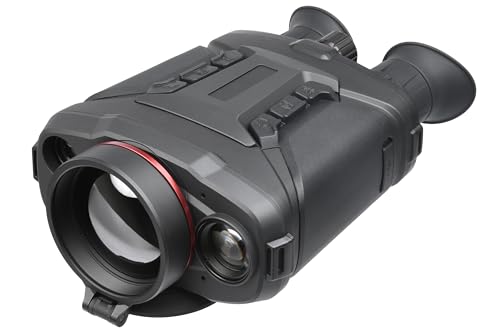
This fusion system pairs a 12-micron 640×512 thermal detector with digital night vision in a helmet- or tripod-ready setup. It includes a built-in 1000 m laser rangefinder and 5.5x base magnification with 16x digital zoom. Best for: long-range, all-weather surveillance and reconnaissance. Why selected: high-precision rangefinding and expansive fusion imaging enable confident target acquisition in diverse environments. Caution: larger and heavier than monocular options, which may affect portability on prolonged missions.
AGM Global Vision Voyage TB50-384 Fusion Thermal & Digital Day/Night Vision Binoculars

TB50-384 offers fusion imaging with a 384×288 thermal detector and digital day/night channels in a compact form factor. It supports all-condition observation with a 1000 m laser rangefinder option and multiple color palettes for target recognition. Best for: field technicians, search-and-rescue teams, and outdoor explorers who need reliable fusion in a portable package. Why selected: fusion capability in a smaller footprint and help with quick target assessment. Caution: best performance with stable grip and steady support in dynamic environments.
Night Operators Fusion Thermal Vision & Digital Night Vision Goggle

These goggles deliver near delay-free 60FPS display with clear visuals up to 100 meters in night vision mode and 150 m in thermal mode. They are designed for comfort with an adjustable, grippy headstrap. Best for: quick-response CQB, training drills, and airsoft scenarios where synchronized thermal and digital data improve decision speed. Why selected: cost-effective fusion option that provides both thermal and digital views in a head-mountable form. Caution: may require external IR sourcing for extended range in complete darkness.
Night Operators Viper Digital Night Vision Goggle
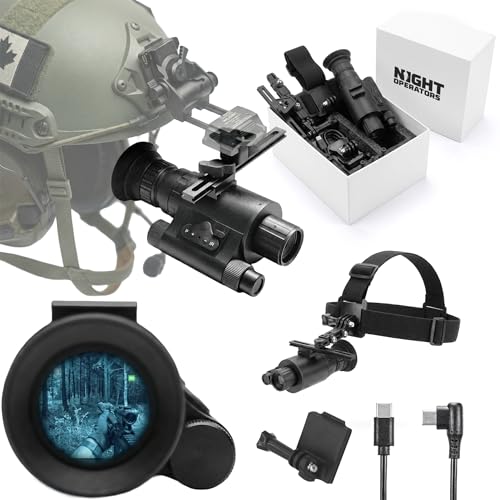
The Viper is a digital night vision monocular with built-in 850 nm IR illumination and noise-reduction output. It emphasizes real-time clarity with ultra-low latency, suited for rapid target acquisition in low-light settings. Best for: budget-conscious operators who need dependable digital night vision with immediate responsiveness. Why selected: ultra-low latency improves reaction times. Caution: does not inherently offer thermal imaging fusion, which may be a limitation for heat-based detection.
Buying Guide: Fusion Night Vision And Thermal Considerations
What matters most when choosing fusion gear? Consider image fusion depth, sensor resolution, and how the device will be mounted. For helmet-mounted needs, weight and balance are essential. For handheld use, grip and ergonomics influence long-duration comfort. Battery life and ease of recharging are critical in field use.
- Fusion depth and processing: Higher-resolution thermal sensors (e.g., 640×512) paired with Gen 3-like night vision deliver sharper detail and better recognition in mixed conditions.
- Range and rangefinding: Long-range fusion devices often include laser rangefinding or digital zoom—useful for surveillance and target cueing.
- Mounting flexibility: Helmet or head-mounted units improve situational awareness, while binoculars offer broader static observation.
- Power and durability: Look for devices with robust IP rating (water/dust resistance) and long-lasting batteries for extended missions.
- Color palettes and user interface: Multiple palettes can enhance contrast in smoke or foliage; a quick-access menu speeds setup.
Frequently Asked Questions
- What does fusion imaging mean in these devices?
Fusion imaging combines thermal data with digital night vision (or other channels) to show both heat signatures and ambient scene detail simultaneously.
- Who should buy fusion night vision gear?
Professionals in law enforcement, military training, and search-and-rescue teams, plus serious outdoor enthusiasts needing all-condition visibility.
- Is helmet mounting important for fusion devices?
Yes for hands-free operation and faster target acquisition in dynamic environments.
- Do fusion devices require special maintenance?
Regular battery checks, lens care, and GPU/firmware updates where applicable are recommended to maintain performance.
- Can these devices be used for airsoft or training?
Yes; several models are designed for CQB training and simulation with fusion features to enhance realism.