Smartphone photography has come a long way, but night shots still challenge many cameras. A night vision or low-light lens accessory can unlock sharper images and clearer views when lighting is scarce. This guide showcases five top picks that pair with phones, delivering real night vision or low-light performance for photography, wildlife viewing, courtside events, or nighttime adventures. Each option blends portability with practical features to help you decide what fits your needs best.
| Product | Brand | Type | Key Night Vision Feature | Ideal Use |
|---|---|---|---|---|
| Xenvo Pro Lens Kit | Xenvo | Phone Lens Kit | LED light and wide/macro lenses for low-light shots | Versatile mobile photography and night scenes |
| 20×50 High Zoom Binoculars With Phone Adapter | upcheirna | Binoculars With Phone Adapter | Low Light Night Vision with phone-capable viewing | Birding, stargazing, outdoor viewing |
| 12X50 Professional Binoculars With Phone Adapter | Akanabi | Binoculars With Phone Adapter | No-glow night vision with full optical coatings | Wildlife watching and distant subject detail |
| KEYWING 3 In 1 Phone Camera Lens Kit | KEYWING | Phone Camera Lens Kit | Wide, Fisheye, Macro for versatile lighting-adjusted shots | Creative smartphone photography |
| KeuangXpet 4G Cellular Trail Camera Night Vision | KeuangXpet | Trail Camera With Night Vision | No-glow infrared night vision and cellular alerts | Remote wildlife monitoring and site surveillance |
Xenvo Pro Lens Kit For Phones

The Xenvo Pro Lens Kit is a comprehensive phone lens system designed to elevate low-light photography. It includes TruView 0.45x wide angle and Clarus 15x macro lenses, crafted from durable optics to minimize ghosting, reflections, and lens flare. A TruGrip lens clip keeps lenses securely attached to a wide range of smartphones, while GlowClip provides an auxiliary LED for close-quarters illumination. The kit also comes with a DuraCase for protection and multiple accessories to support quick, on-the-go setup. This combination makes night shoots from city streets to dim interiors more feasible with your phone.
In low-light settings, the wide-angle lens expands the field of view, helping you frame more of the scene in a single shot, while the macro lens captures fine details when light is limited and subjects are close. The built-in clips and included light reduce the need for additional gear, which is especially helpful when you’re on the move. For users seeking practical, portable night photography augmentation, Xenvo provides a reliable, all-in-one solution that works with most smartphones and tablets.
20×50 High Zoom Binoculars With Phone Adapter
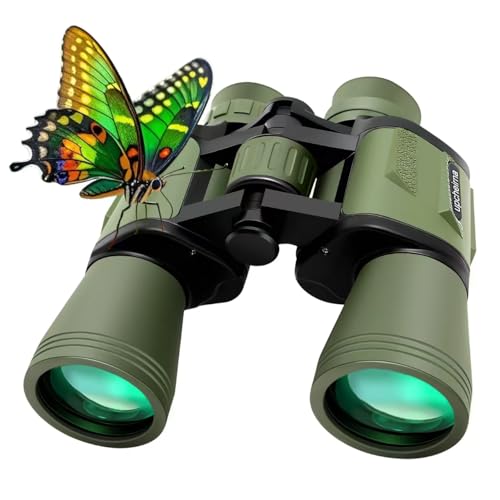
The 20×50 high-zoom binoculars offer substantial magnification for distant subjects, paired with a phone adapter that lets you capture or stream what you’re viewing. Built on BAK4 Porro prism design, these lenses deliver high light transmission and improved color accuracy. An anti-reflective coating on the lenses minimizes stray glare, while a large objective lens works with low-light conditions to provide a brighter image at dusk or dawn. The phone adapter enables straightforward image or video capture on your device, making these binoculars a practical option for outdoor enthusiasts who want to document wildlife in dim lighting.
With a 1000-yard field of view and precise focus adjustment, these binoculars are designed for rapid target acquisition. The no-glow infrared night vision capability helps to monitor wildlife with minimal disturbance. They’re also rugged enough for outdoor use—ideal for birdwatching, stargazing, or scenic night views. While they hit a sweet spot between portability and performance, users should be mindful of weight and handheld stability when zooming at the highest magnifications in low light.
12X50 Professional Binoculars With Phone Adapter

The Akanabi 12×50 binoculars pair strong magnification with a robust optical setup designed for low-light performance. The ED optics reduce color fringing, delivering crisp, true-to-life images, while BAK4 prisms maximize light transmission for a brighter view. A 50 mm objective lens helps gather light in dim environments, and the 24 mm eyepieces offer a wide, comfortable viewing experience. The no-vignette design ensures a uniform image around the edges. When coupled with a phone adapter, these binoculars support capturing long-distance scenes or wildlife images without sacrificing depth or clarity.
Construction emphasizes reliability in challenging conditions with IP67 waterproof rating. This makes them suitable for outdoor adventures in varying weather. While the increased magnification can demand steadier hands or a tripod, the overall balance of optical quality and phone compatibility makes these binoculars a compelling pick for serious night-time viewing and documentation on the go.
KEYWING 3 In 1 Phone Camera Lens Kit
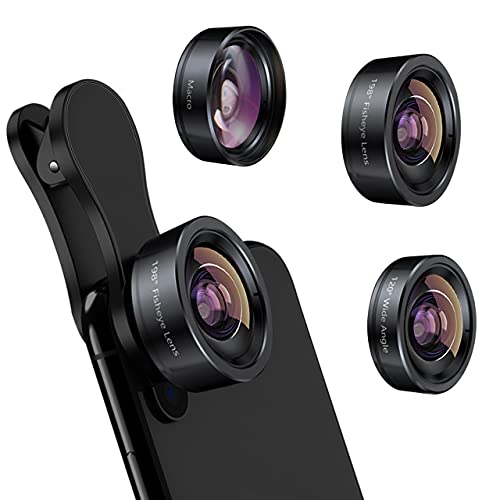
KEYWING’s 3-in-1 lens kit provides a practical set for phone photography, including a 198-degree fisheye lens, a 120-degree wide-angle lens, and a 20x macro lens. The kit emphasizes versatility, letting you switch among lenses quickly with a clip-on design that uses a soft rubber clamp to protect your device. The lenses are crafted with premium optical glass and an aluminum housing for durability, reducing reflections and ghosting for clearer results. While not specifically marketed as night-vision gear, the macro and wide options can be particularly effective in low-light environments when paired with ambient light or a supplemental light source.
Highlights include no-vignetting design and robust physical construction, ensuring consistent performance across different phone models. For mobile creators who want to test different perspectives—from wide city scenes to close-up nocturnal details—this kit offers a compact, affordable entry point. It’s especially appealing for travelers or hobbyists who want flexible, quick-access lens options without committing to larger imaging gear.
KeuangXpet 4G Cellular Trail Camera Night Vision
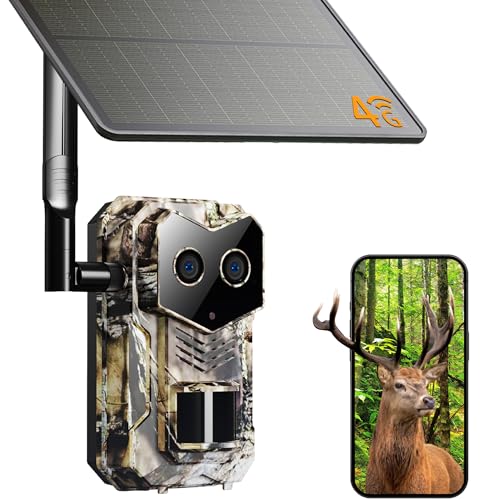
This trail camera from KeuangXpet integrates night-vision capability with cellular connectivity, enabling remote monitoring of distant or out-of-sight areas. It features dual lenses that deliver broad coverage, and no-glow infrared illumination to minimize disturbance in wildlife observation. The device supports GPS tracking and can link to your phone, delivering photos to a mobile device for quick review and sharing. Its pre-installed eSIM and flexible data options provide convenience for remote setups where traditional cellular service may be limited. The camera’s motion alerts help ensure you don’t miss important moments, day or night.
Night-vision performance is central to this model, making it a strong choice for rural properties, farms, or wildlife research where constant camera trays aren’t practical. While it is not a clip-on phone lens, its intended use—capturing nocturnal scenes and transmitting them to a phone—aligns well with the broader goal of night-vision-enabled mobile monitoring. Pros include easy data access and targeted night viewing; cons involve setup complexity and dependency on cellular coverage in remote areas.
Buying Guide
Choosing the right night-vision accessory for your phone depends on how you plan to shoot and where you’ll be using it. Here are key considerations to help you compare options and tailor your choice to your goals.
Night-vision vs. low-light performance
Night-vision devices amplify ambient light to produce clear images, while some phone-lens kits rely on existing light and may include an auxiliary light. For wildlife viewing at night, dedicated no-glow or infrared-equipped devices (like trail cameras or illuminated binoculars) can offer steadier performance. If you primarily shoot with a phone in dim interiors or twilight, a lens kit with a built-in LED or a robust macro/ultra-wide setup can deliver strong results.
Attachment type and device compatibility
Phone lens kits use clip-on mounts that fit most smartphones, whereas binoculars with phone adapters rely on alignment to capture through the optics via a connected phone. Trail cameras operate independently but can sync with your phone via apps. Consider your device ecosystem (iPhone, Android, tablet) and how easy it is to attach, detach, and carry on outdoor trips.
Optical quality and field of view
Lenses with higher-quality glass (ED or premium coatings) reduce chromatic aberration and reflections. Wide-angle or macro options extend creative possibilities. Binoculars typically provide larger fields of view, which aids quick scanning—useful in dawn/dusk conditions. The balance between magnification, brightness, and edge-to-edge clarity matters for night use.
Lighting options and usability in the dark
Night photography often hinges on lighting. Some kits include LED clips or illumination accessories to illuminate subjects at close range. If you’ll be shooting at night without extra light, look for models designed for low-light performance with selective infrared or glow-free illumination to minimize wildlife disturbance.
Durability and weather resistance
Outdoor use requires rugged construction and weather resistance. IP ratings for waterproofing, rubber armor, and durable housings protect against rain, dust, and accidental drops. Always verify build quality when you plan nocturnal expeditions or remote monitoring.
Power and data considerations (trail cameras)
Trail cameras rely on battery life and network connectivity. Check standby and video-recording durations, as well as the availability of eSIM or SIM options for cellular data. If you intend to receive alerts on your phone, ensure you have a reliable data path and compatible apps for notification and image delivery.
Pricing and value for money
Night-vision attachments range from affordable clip-on kits to pricier binoculars and high-end trail cameras. Consider how often you’ll use the device, the environments you’ll be in, and whether building a modular system (lens kits plus binoculars) provides more flexibility than a standalone camera. The best value often lies in a well-balanced kit that covers both frequent day use and occasional night use.
Use-case comparisons
For quick phone-based night photography, a multi-lens kit (wide, macro, with optional lighting) offers the most versatility. For hands-free long-range surveillance or wildlife monitoring, a no-glow trail camera with cellular alerts provides constant coverage and remote access. For hands-on observing with image capture, binoculars with a phone adapter deliver both viewing comfort and the ability to photograph distant subjects.
Bottom-line recommendations
- If you want maximum flexibility for varied night shots, consider a high-quality phone lens kit with a built-in light and macro capability.
- If distant viewing and documentation are key, sturdy binoculars with a phone adapter and no-glow or low-light capability are a strong fit.
- For remote, continuous monitoring with easy phone access, a cellular trail camera provides automatic image delivery and alerts, even in total darkness.
Quick comparisons
| Category | Strengths | Limitations |
|---|---|---|
| Phone lens kits (clip-on) | Portable, versatile, good night-light support with LED accessories | Limited true night-vision without external lighting |
| Binoculars with phone adapters | Great for scanning and long-distance viewing; improves night clarity with coatings | Heavier; higher magnification requires steadiness |
| Trail cameras with night vision | Remote monitoring; alerts to phone; no-glow IR | Not a lens for live viewing; setup may be complex |
When evaluating options, align your choice with your primary activities—urban night photography, wildlife observation, or remote property monitoring. The right combination can boost your phone’s night-capable performance without requiring expensive gear.