Best Monopods for Wildlife Photography: Lightweight Gear for Fast, Sharp Shots
Wildlife photography demands fast setup, solid stability, and portable gear you can carry on long hikes. A capable monopod can extend your reach, reduce fatigue, and help you frame distant subjects with steadiness. This guide highlights five top monopods designed for wildlife work, spanning compact travel options to longer, more robust supports. Each section links to the product page for quick reference, and the buying guide below compares key considerations to help you choose the right tool for your needs.
| Product | Max Height | Weight | Load Capacity | Notes |
|---|---|---|---|---|
| ULANZI TB12 61-Inch | 61 in (155 cm) | 0.83 lb (378 g) | 11.02 lb (5 kg) | Five-section, travel-friendly |
| Altura Photo 62-Inch | 62 in | 0.59 lb | 5 lb | Lightweight with foam grip |
| Amazon Basics 67-Inch | 67 in | Not stated | 6.6 lb | Budget-friendly |
| NEEWER 61″/155cm | 155 cm | 0.88 lb | 17.6 lb | Dual screw adapters |
| PRIMOS Trigger Stick Gen3 | 21-30 in | Not stated | Not specified | Camouflage monopod with yoke |
ULANZI TB12 61-Inch Camera Monopod

ULANZI’s TB12 model offers a compact, travel-ready monopod designed for wildlife shootouts where mobility matters. It extends to a maximum height of 61 inches while weighing just 0.83 pounds, supporting up to 11.02 pounds. Its five-section design enables quick height adjustments across the day, from perched blinds to ground-level action. The resourceful dimensions—16.9 inches folded—fit neatly into carry-ons, making it ideal for hikers who need reliable stabilization on the go. For Canon, Nikon, Sony, and other major brands, the TB12 provides a balance of strength and portability suitable for on-the-move wildlife work.
Key features include: lightweight aluminum construction, a foldable height range, and a weight-conscious profile that supports mid-range telephoto setups. While compact, it remains robust enough to keep cameras steady during bursts or slow-motion wildlife sequences. The TB12’s 5-section design ensures you can reach high vantage points while still stowing the monopod in a small bag or pack.
Altura Photo 62-Inch Camera Monopod

The Altura Photo 62-Inch Monopod focuses on a strong, lightweight design for wildlife shooters who hike extensively. It collapses to about 16.75 inches and weighs around 0.59 pounds, making it easy to pack. A universal 1/4-inch thread allows attachment to most DSLR or mirrorless cameras, with an additional 3/8-inch screw adapter for more stability with larger setups. The foam grip and safety wrist strap improve handling, reducing camera shake when you need to adjust quickly in the field. The monopod’s balance and compact form make it a popular choice for field shooters needing reliability without bulk.
Amazon Basics 67-Inch Monopod
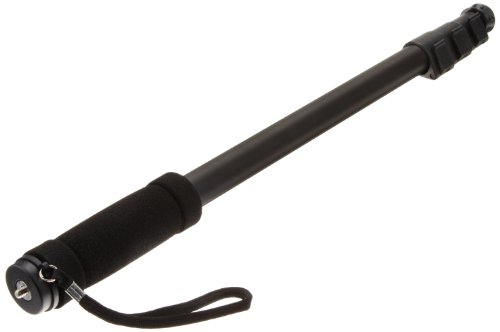
Amazon Basics offers a straightforward 67-inch monopod for wildlife photographers seeking a budget-friendly option without compromising essential functionality. It supports video cameras, still cameras, and scopes up to 6.6 pounds with a standard 1/4-inch thread. The design features four leg sections for a solid extension and a reliable grip for field use. This monopod pairs well with entry-level wildlife kits or as a lightweight spare stabilize for those moments when you need quick, simple setup without extra frills. It’s a practical entry point into monopod photography without heavy investment.
NEEWER Extendable Monopod With Detachable Stand Base
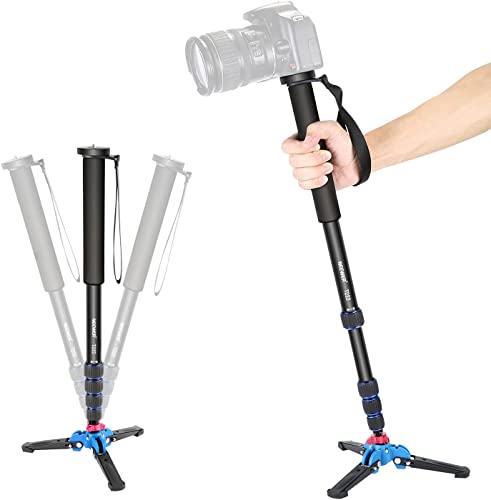
NEEWER’s extendable monopod with a detachable and foldable stand base is designed for a balance of stability and portability in wildlife environments. It extends from 52 cm to 168 cm (66 inches) and folds to about 52 cm for easy packing. The setup includes a sturdy aluminum alloy construction and a maximum load of 11 pounds (5 kg). A notable feature is the 15-degree tripod base tilt for achieving panoramic angles, combined with a 360-degree pan capability via a fluid head. The dual 1/4″ and 3/8″ screw adapters support a range of cameras and accessories, making it a versatile option for field videography and stills alike.
PRIMOS Hunting Trigger Stick Gen3 Monopod

The Primos Trigger Stick Gen3 brings a camo approach to wildlife shooting. This monopod features an integrated quick-detach yoke system and a contoured grip with no-slip backing, aimed at reliability during long, patient wildlife sessions. A strengthened rotating joint provides smooth panning, which can be valuable for tracking moving subjects. While designed with hunting and observation in mind, its stability and quick adjustments make it a practical choice for photographers who stationary or slow-moving wildlife and require a stable base in varied terrain. The Gen3 model emphasizes ease of use in field conditions and camouflage benefit when blending with natural surroundings.
Buying Guide: Key Considerations For Wildlife Monopods
- Height and reach: Consider a monopod that offers enough extension to frame distant animals while remaining compact enough for travel. Taller models are helpful for trees, hillsides, or wide landscapes, but lighter options excel in long hikes.
- Weight and portability: Wildlife work often involves long days on foot. A lightweight design reduces fatigue, enabling longer shooting sessions without lugging heavy gear.
- Load capacity: Ensure the monopod can support your heaviest camera and lens combination, including telephoto lenses. A higher load rating provides margin for stability and safety.
- Material and build: Aluminum construction balances strength with lightness and cost. Some models use advanced alloys or composite materials for improved rigidity.
- Mounting and compatibility: Look for standard 1/4″-20 threads and, if needed, 3/8″ adapters for larger setups. Compatibility with camera bags and existing tripods can simplify carry and storage.
- Stability features: Foam grips, wrist straps, and non-slip feet improve handling on uneven terrain. Some models offer a base with a tilt or pan head for versatile angles.
- Portability features: Folded length, carry pouches, and quick-adjust mechanisms help you deploy quickly and stay agile in the field.
- Head integration: Decide if you need a separate pan/tilt head or a basic monopod with a fixed mounting platform. A fluid head adds pan versatility for video and dynamic wildlife scenes.
- Maintenance and durability: Look for corrosion resistance and robust locking mechanisms to withstand outdoor conditions and frequent setup/breakdown.
- Value vs. need: Balance budget with essential features. For wildlife work, prioritize stability, height range, and compatibility over extra accessories you may not use.
These options provide a spectrum from ultra-light travel monopods to more robust, feature-rich designs. When choosing, align the monopod’s height, load rating, and portability with your typical wildlife workflow—whether you’re hiking, perched in blinds, or setting up on rugged terrain.