Portrait photography benefits from a blend of high image quality, reliable autofocus, skin-tone rendering, and a versatile lens ecosystem. The following selections focus on cameras that excel in portraits, offering sharp detail, pleasing bokeh, and strong subject-tracking performance. Each option pairs well with primes and fast zooms commonly used for head-and-shoulders and environmental portraits, helping you craft standout images in studios, outdoor sessions, and travel assignments.
| Product | Brand | Notable Portrait Feature |
|---|---|---|
| Sony a7 III | Sony | Excellent dynamic range and reliable eye autofocus for portraits |
| Canon EOS R6 II | Canon | Fast AF with reliable performance in low light and color rendering |
| Canon EOS RP | Canon | Compact full-frame with versatile 24-105mm kit lens |
| Nikon Z7 II | Nikon | Ultra-high resolution for fine detail in studio portraits |
| Nikon Z50 II | Nikon | Lightweight option with strong color and tracking for on-the-go shoots |
Sony A7 III Portrait Performance

The Sony a7 III uses a 24.2MP Back-Illuminated (BSI) full-frame sensor with a fast readout, enabling strong performance in portraits across lighting conditions. It delivers a 15-stop dynamic range and 14-bit RAW files for flexible post-processing. With up to 10 frames per second in Silent or Mechanical shutter and continuous AE/AF tracking, this body supports reliable tracking of facial features and eyes. The combination of skin-tone rendition, solid low-light capability, and a mature autofocus system makes it a popular choice for portraiture.
Canon EOS R6 II Portrait Power

The Canon EOS R6 II relies on a 24.2MP full-frame CMOS sensor paired with the DIGIC X processor to deliver strong image quality and color accuracy. Its expandable ISO range and robust high-speed shooting—up to 12 fps with a mechanical shutter and up to 40 fps electronic—support fast, precise portrait sessions in diverse environments. The R6 II’s autofocus system emphasizes reliable subject-recognition and tracking, helping maintain sharp eyes and facial detail in dynamic studio or outdoor scenarios.
Canon EOS RP Portrait Ready

The Canon EOS RP offers a full-frame sensor in a compact, lightweight body, making it a travel-friendly option for portrait shooters. The included RF24-105mm lens provides versatile framing from 24mm to 105mm, suitable for environmental and head-and-shoulder portraits. Optical image stabilization up to 5 stops helps when shooting handheld in varying light, while a maximum magnification of 0.4x and a short minimum focusing distance support creative close-ups and shallow depth of field to separate subjects from the background.
Nikon Z7 II High-Resolution Portrait
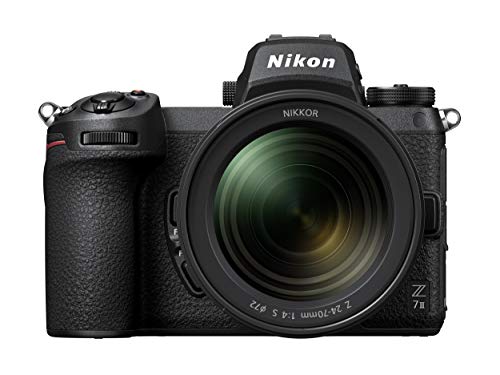
The Nikon Z7 II brings a 45.7MP full-frame sensor for exceptionally detailed portraits, ideal for studio work and large prints. Its advanced AF performance and broader dynamic range support precise skin tones and natural color. Dual card slots (CFexpress/XQD and UHS-II SD) offer flexible workflow and backup, while improved continuous shooting and robust handling make it a strong choice for professional portrait sessions and high-resolution retouching.
Nikon Z50 II Portrait Versatility

The Nikon Z50 II combines a 20.9MP APS-C sensor with user-friendly color presets and wireless sharing for quick proofs on location. Its subject-detection autofocus tracks people and other subjects, supporting reliable portrait shots with a smaller, lighter body. While the APS-C sensor is smaller than full-frame options, the Z50 II remains a compelling, portable choice for engaging color rendition, ease of use, and travel-friendly portrait work with compatible Z-mount lenses.
Buying Guide
Key considerations when choosing a mirrorless camera for portraits span sensor size, autofocus, and lens ecosystems. Here are essential factors to compare across the options above.
- Sensor size and resolution: Full-frame bodies generally deliver superior subject separation and low-light performance, with high-resolution models offering more detail for large prints. Nikon Z7 II leads in pure resolution; Sony a7 III and Canon R6 II balance resolution with excellent dynamic range and skin-tone rendering; Canon RP offers a compact full-frame option; Nikon Z50 II provides a lighter APS-C choice.
- Autofocus and subject detection: Portrait work benefits from reliable eye-tracking and face detection. Sony’s mature AF system, Canon’s accurate eye focusing, and Nikon’s refined subject tracking provide strong performance across the lineup.
- Lens ecosystem: Portraiture thrives with fast primes (50mm, 85mm, 135mm) and versatile zooms (70-200mm, 24-105mm). Consider existing or planned lenses when choosing a body for future portrait sessions.
- Image stabilization: In-body stabilization (IBIS) helps with handheld portraits in low light. Some lenses provide stabilization too; lens IS can complement body IS for steadier handheld shooting.
- Low-light performance: Portraits in dim environments require cameras with clean high-ISO performance and good noise control, particularly for skin tones and detail recovery in post-processing.
- Color science and skin tones: Each brand renders skin tones differently. Practical tests in a range of lighting conditions help determine which system aligns with your preferred look.
- Video capabilities: If you also shoot video portraits, consider 4K options, frame-rate options, and color profiles (such as log profiles) for consistent footage with stills.
- Portability and ergonomics: Balance weight, grip comfort, and button layout with your shooting style—studio work may prefer heft and stabilization, while travel portraiture benefits from lighter bodies.
- Battery life and memory: Portrait sessions can run long. Look for battery endurance and fast memory card options to minimize downtime between shoots.
- Price and value: Evaluate total cost of ownership, including bodies, lenses, and necessary accessories. A slightly older, well-supported body with a robust lens kit can outperform newer, pricier models for many portrait workflows.