Best Micro Four Thirds Ultra-Wide Angle Lenses for Wide-Open Landscape Shots
For photographers using Micro Four Thirds cameras, ultra-wide lenses unlock dramatic perspectives for landscapes, architecture, and interior shots. This guide compares top options that fit MFT bodies, emphasizing sharpness, minimal distortion, and good performance in low light. Each lens listed here targets the Micro Four Thirds system, offering wide angles, fast apertures, and robust build quality. Whether you shoot cityscapes at dawn or expansive landscapes, these picks help you maximize scene width while maintaining edge-to-edge clarity.
| Product | Mount | Key Feature |
|---|---|---|
| Rokinon 12mm f/2.0 NCS CS (Black) | Micro Four Thirds | Fast aperture; sharp, low-distortion edges |
| TTArtisan APS-C 10mm F2 | Micro Four Thirds Mount | Ultra-wide, manual focus, close focus distance |
| Olympus M.Zuiko Digital ED 7-14mm F2.8 PRO | Micro Four Thirds | Professional wide-angle zoom; internal elements for rugged build |
| AstrHori 9mm F2.8 | Micro Four Thirds | 111.4° field of view; durable full-metal body |
| Panasonic Leica DG SUMMILUX 9mm F1.7 ASPH | Micro Four Thirds | Bright, fast wide-angle prime; strong video performance |
Rokinon 12mm F/2.0 NCS CS (Black) For Micro Four Thirds

Designed for APS-C sensors in a compact form, this Rokinon lens delivers a 98.9° ultra-wide angle without edge distortion. Its 12 elements in 10 groups include three ED and two aspherical elements to minimize chromatic aberration and maintain sharpness across the frame. The Nano Coating System suppresses flare and ghosting, preserving contrast in backlit or bright conditions. Manual focus keeps control tactile for landscape and architectural work, especially in low light where a fast f/2.0 aperture enables shorter shutter speeds.
TTArtisan APS-C 10mm F2 For MFT

The TTArtisan 10mm F2 is a compact ultra-wide designed for Micro Four Thirds mirrorless bodies. It emphasizes manual focus for precise composition at expansive FOVs, with a focus trajectory suitable for landscapes and dramatic cityscapes. This APS-C focused option shares a design ethos with other TTArtisan fast primes, offering a balance of wide coverage and tactile control, ideal for those who want a dedicated ultra-wide without autofocus constraints.
Olympus M.Zuiko Digital ED 7-14mm F2.8 PRO
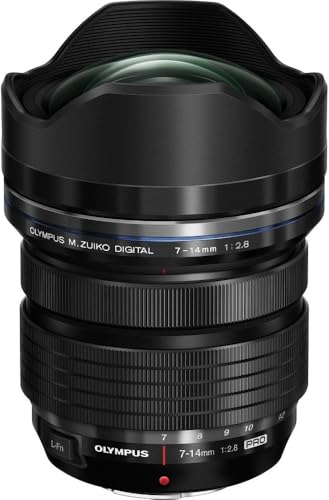
This professional-level wide-angle zoom spans 7 to 14mm, offering versatile coverage for dramatic landscapes and architectural interiors. The F2.8 constant aperture ensures consistent exposure and creative depth, while internal focusing minimizes breathing during video work. The lens is engineered for Micro Four Thirds sensors, delivering sharp corners across the zoom range with rugged construction suitable for demanding field use.
AstrHori 9mm F2.8 Ultra Wide Angle
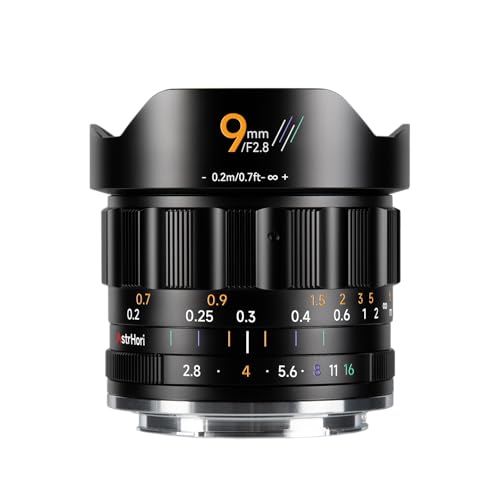
The AstrHori 9mm F2.8 is an APS-C dedicated ultra-wide, offering a substantial 111.4° field of view suited for expansive landscapes and architectural photography. Built with a full-metal body, it emphasizes durability and precision in manual focus operation. The fast f/2.8 aperture supports better light gathering for night scenes and interiors, while designed to minimize distortion for straight architectural lines.
Panasonic Leica DG SUMMILUX 9mm F1.7 ASPH

As a compact prime for Micro Four Thirds, this 9mm focal length delivers an exceptionally fast F1.7 aperture, enabling creative low-light shots and shallow depth of field when desired. It’s optimized for high-resolution capture in both photo and video, with a lightweight, weather-resistant body suited for street photography, landscapes, and documentary work. The combination of optical precision and a bright opening makes it a strong option for users seeking a premium ultra-wide option on MFT cameras.
Buying Guide: Key Considerations For Micro Four Thirds Ultra-Wide Lenses
- Angle Of View: Ultra-wide lenses typically range from about 90° to over 110°. If you shoot interiors or landscapes, a wider angle helps capture more of the scene, but may introduce distortion at the edges. Consider a lens with good edge-to-edge sharpness and minimal distortion if you frequently shoot architectural interiors.
- Aperture And Low-Light Performance: Fast apertures (f/2.0–f/1.7) help with night photography and low-light interiors. However, many ultra-wide primes trade some weight or size for speed; balance your needs with portability.
- Autofocus vs Manual Focus: Some ultra-wide lenses are manual-focus-centric (like TTArtisan designs), offering precise control for landscapes. Others include autofocus for quick compositional work in dynamic environments. Decide which workflow suits you best.
- Optical Quality: Look for elements like ED and aspherical elements to minimize chromatic aberration and distortion. Nano coatings can improve contrast in backlit scenes.
- Build Quality And Durability: If you shoot outdoors, a weather-sealed or rugged build helps protect the lens from dust and moisture. Full-metal housings can add durability for rough conditions.
- Compatibility And Size: Micro Four Thirds lenses vary in size and weight. If you need a compact kit, lighter designs like certain 9mm or 10mm options may pair well with smaller bodies.
- Use Case And Application: For cityscapes and interiors, a wider focal range helps capture more of the environment. For landscapes, consider how the lens handles edge clarity and corner sharpness across the frame.
- Accessory Ecosystem: Consider matching filters, hoods, and adapters that maintain image quality and protect the lens while shooting on location.
In sum, the right Micro Four Thirds ultra-wide lens depends on your shooting style: fast primes excel in low light and astro or street scenes, while zooms offer flexibility across focal lengths for travel and interiors. The options listed provide a spectrum of speed, build quality, and control to fit most MFT workflows, from documentary work to landscape storytelling.