Best Micro Fiber Optic Cameras for Fiber Inspections
Answering common buyers’ questions: these micro fiber optic cameras deliver clear end-face inspection, compact handling, and reliable illumination in tight patch panels. They are best for field technicians, telecom installers, and labs needing portable, high-detail fiber inspections. The list below highlights five top choices, with who they’re best for, and practical trade-offs.
| Product | Best For | Key Benefit |
|---|---|---|
| Fluke Networks FI-500 FiberInspector Micro | Professional fiber techs; dark areas | Portable endface inspection with PortBright illumination |
| Teslong USB-C Endoscope | Smartphone users; quick checks | Plug-and-play USB-C with 8 LED lights |
| Teslong Endoscope Borescope (16.5 ft) | Mechanics and DIY pros | Long semi-rigid cable and IP67 waterproofing |
| MicroCare Sticklers Cleaning Kit | Cleaning before splicing | Comprehensive cleaning supplies in a portable bag |
| BAOSHLA Cleaning Box | Frequent cleaner for 1.25/2.5 mm interfaces | High cleaning efficiency with replaceable belt |
Fluke FI-500 FiberInspector Micro Endface Scope
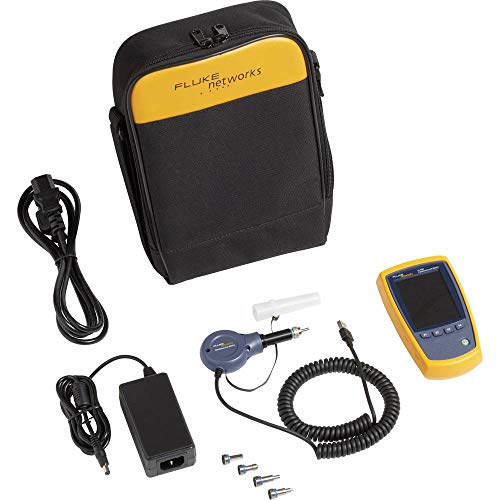
The Fluke FI-500 is a dedicated fiber endface inspection scope with PortBright illumination. It captures high-resolution end-face images on a 320 x 240 display and uses a 5-megapixel probe camera. It comes with multiple adapters and UPС tips for LC, SC, and 1.25/2.5 mm interfaces, plus a magnetic strap, case, and rechargeable batteries. Best for professional environments where dark patch panels or dense cabling require a built-in flashlight along with accurate visualization. Caution: bulkhead and adapter compatibility should be verified for non-standard connectors.
Who it’s best for: field technicians and network installers who need reliable, high-contrast lighting and a compact inspection scope in challenging environments. Why selected: strong endface imaging, bundled accessories, and a dedicated inspection workflow.
Teslong USB-C Endoscope Camera

Teslong’s USB-C endoscope offers broad device compatibility with many smartphones and tablets. It is plug-and-play—no WiFi or complex setups—requiring only a compatible USB-C device and the accompanying app. Equipped with 8 LED lights and a built-in white balance adjustment, it provides usable illumination in confined spaces. Best for technicians who need a quick, compatible tool for on-site inspections and documentation. Caution: may require app compatibility checks with non-standard devices.
Teslong Endoscope Borescope With Light

This Teslong model focuses on automotive and mechanical inspections. It features 8 adjustable LEDs, a 30–80 mm focusing range, a 78-degree viewing angle, and a 16.5 ft semi-rigid cable. It supports photo and video capture, with data transfer via a charging cable and SD card storage. Best for detailed inspections in tight spaces like engines and HVAC ducts. Caution: ensure SD card compatibility and battery life expectations for long sessions.
MicroCare Sticklers Fiber Optic Cleaning Kit

The MicroCare Sticklers kit provides a comprehensive set of cleaning solutions for bare fiber and connector end faces prior to fusion splicing or field termination. It includes two cans of cleaner and a portable orange bag with storage pockets. Best for ensuring contamination-free connections in the field and workshop. Caution: ensure compatibility with the specific connector types in use, and follow proper disposal guidelines for cleaning solvents.
BAOSHLA FTTH Fiber Optic Cleaning Box

The BAOSHLA cleaning box emphasizes antistatic properties and high cleaning efficiency for 1.25 mm and 2.5 mm interfaces. It claims cleanliness of 96% or higher and supports over 500 reuse cycles with replaceable cleaning belts. Best for technicians who perform frequent cleanings and require a robust, repeatable process. Caution: confirm belt compatibility with your specific cleaning belt consumables and ensure correct interface positioning during use.
Buying Guide
Key purchase considerations to help compare options:
- Endface quality vs. portability: Do you need a dedicated fiber inspection scope or a lightweight endoscope that integrates with a smartphone?
- Illumination and visibility: Is built-in lighting sufficient for dense patch panels, or is external illumination preferable?
- Cable length and maneuverability: Will a long semi-rigid cable aid access to hard-to-reach connectors?
- Compatibility: Will the device work with your existing devices (USB-C, Android, iOS, or dedicated displays)?
- Cleaning and maintenance: How often will you clean fiber ends, and which cleaning kit fits your workflow?
- Durability and environmental resistance: Is IP rating or rugged design important for your work environment?
Practical considerations and workflow tips:
- Always inspect end faces before fusion splicing or terminations to avoid connection failures.
- Match the cleaning kit to your connector types (LC, SC, FC, MU) to maximize cleaning effectiveness.
- Document findings with photos or videos to support maintenance records or audits.
FAQ
- What is a micro fiber optic camera used for?
Used to inspect fiber end faces, identify contamination, and document procedure results. - Do I need a dedicated fiber inspector or can a smartphone endoscope suffice?
For professional-grade inspections, a dedicated scope with controlled illumination and display generally provides more reliable results in dark or dense panels. - Are these devices compatible with standard fiber connectors?
Most options support common SC/LC/FC interfaces; verify adapter compatibility for your setup. - Is cleaning required before every fusion or splice?
Yes. Cleaning reduces contamination and improves connection quality. - What should I consider when choosing between a long cable vs. a compact scope?
Long cables aid reach in complex installations; compact scopes favor portability and quick checks. - Can I store inspection data on my device?
Many models support photos and video capture; check SD card or internal storage options.