Best Memory Cards for Digital Cameras: Fast and Reliable Storage
Choosing the right memory card can significantly impact how smoothly a digital camera operates, especially when shooting bursts or recording 4K video. The picks below focus on speed, durability, and capacity, pulling from trusted brands that balance performance with value. Whether you shoot landscapes, sports, or wildlife, these cards provide reliable storage and quick offloads to keep you shooting without interruption. This guide highlights five top options, compares their strengths, and offers guidance to match your camera needs with the right card.
| Product | Brand | Capacity | Speed Class / Features | Ideal For |
|---|---|---|---|---|
| SanDisk Ultra SDXC 128GB | SanDisk | 128 GB | Up to 100 MB/s, C10, U1; Full HD | Casual photography and Full HD video |
| Gigastone SD Card 128GB Pro | Gigastone | 128 GB | A1, V30; Up to 100 MB/s | 4K-ready recording and app performance |
| SanDisk Extreme PRO 128GB | SanDisk | 128 GB | Up to 200 MB/s read; up to 90 MB/s write; QuickFlow | Action photography and 4K video |
| SanDisk Ultra 256GB | SanDisk | 256 GB | Up to 150 MB/s read | Higher-capacity everyday shooting |
| Gigastone 256GB Pro | Gigastone | 256 GB | Up to 100 MB/s; 4K UHD compatibility | 4K video and high-volume stills |
Note: The speeds listed reflect internal specifications and typical performance in favorable conditions. Actual speeds vary with host devices, card readers, file sizes, and operating environments. All selections are SDXC or SD cards designed for consumer cameras and compatible devices.
SanDisk Ultra 128GB SD Card
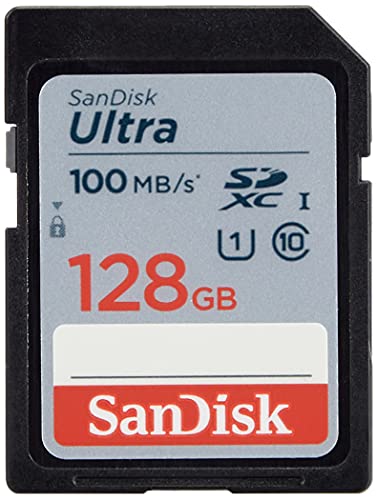
The SanDisk Ultra 128GB SDXC UHS-I card provides dependable performance suitable for everyday photography and Full HD video. With up to 100 MB/s transfer speeds, it accelerates file offloads and media backups, helping you get back to shooting quickly. The card’s C10 and U1 ratings ensure smooth handling of large stills and Full HD footage across many consumer cameras. It’s an especially good fit for compact to mid-range point-and-shoot cameras that benefit from extra storage and reliable performance. Real-world storage varies slightly due to formatting and file attributes, but it remains a practical option for hobbyists and travelers.
- Capacity: 128 GB
- Speed: Up to 100 MB/s (read)
- Class: C10, U1; Full HD video support
- Target use: Everyday photography and Full HD video
- Compatibility: Widely supported by consumer cameras and readers
Gigastone 128GB SD Card Pro

This Gigastone 128GB SD Card Pro targets photographers and videographers who require reliable performance for 4K UHD video and fast app operations. With up to 100 MB/s transfer speeds and an A1 rating for app performance, the card supports smoother camera-to-phone workflows and quicker post-processing deliveries. The V30 rating indicates solid video performance, making it a sensible choice for enthusiasts looking to expand storage without sacrificing speed. It ships with a practical accessory package, including mini cases, adding convenience for field use.
- Capacity: 128 GB
- Speed: Up to 100 MB/s (read)
- Ratings: A1, V30; 4K UHD compatible
- Includes: 5-year data recovery offer (if applicable by model)
- Best for: 4K video and applications requiring fast access
SanDisk Extreme PRO 128GB SD Card
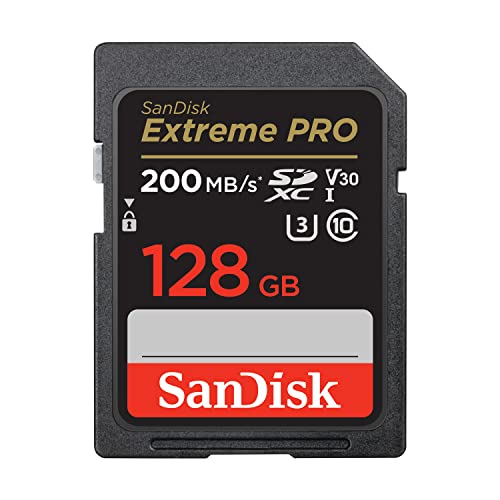
The SanDisk Extreme PRO 128GB card is built for speed-focused shooters who demand high write and read performance. With read speeds up to 200 MB/s and write speeds up to 90 MB/s, this card is designed to minimize lag during high-speed bursts and action captures. SanDisk QuickFlow Technology enhances offload speeds, especially when paired with compatible readers, while the card’s robust design and proven reliability make it a staple for professional and advanced amateur use. It’s particularly well suited for wildlife, sports, and event photography, where rapid file transfer and dependable performance are critical.
- Capacity: 128 GB
- Read/Write: Up to 200 MB/s / 90 MB/s
- Technology: SanDisk QuickFlow; UHS-I
- Specialization: Ideal for rapid shooting and 4K video
- Notes: Performance varies with device and conditions
SanDisk Ultra 256GB SD Card

The SanDisk Ultra 256GB SDXC card provides ample space for extended shoots and high-volume workflows. With quick transfer speeds up to 150 MB/s, this card helps reduce downtime between takes and enables faster backups. Its large capacity makes it a strong choice for photographers who frequently shoot bursts in RAW or shoot long sessions in Full HD or high-frame-rate modes. The card is designed to be reliable for everyday camera use and fits into most cameras that accept SDXC media. The performance is robust for lifestyle photography, travel, and event coverage where size and speed meet everyday needs.
- Capacity: 256 GB
- Read Speed: Up to 150 MB/s
- Class: C10, U1 (typical)
- Best for: High-volume shooting and longer sessions
- Note: Real-world speeds depend on device and workflow
Gigastone 256GB SD Card Pro

The Gigastone 256GB Pro card is designed for serious storage demands, offering up to 100 MB/s transfer speeds and 4K UHD video compatibility. This makes it a strong option for photographers who need substantial on-card capacity without compromising performance for high-resolution video and rapid-fire shooting. The included 5-year data recovery offer helps protect work in the event of data loss, an appealing feature for professionals and enthusiasts who store valuable footage on memory cards. It’s a practical selection for multi-day shoots or projects requiring large-capacity memory without frequent offloads.
- Capacity: 256 GB
- Speed: Up to 100 MB/s (read)
- Video: 4K UHD compatible
- Extras: 5-year data recovery option (where offered)
- Best for: High-capacity storage and robust field use
Buying Guide
Key considerations help you pick the right memory card for your camera, shooting style, and workflow. Start with capacity, then align speed and class with your primary use case, such as still photography, Full HD video, or 4K video. Look for a card that supports the video speed class (V) and application performance (A1 or A2) standards when you intend to run apps or use high-burst rates.
- Capacity needs: If you shoot RAW, high-resolution video, or long events, larger cards reduce the frequency of offloads. For travel and ongoing projects, 128–256 GB often balances cost and convenience.
- Speed class and performance: A UHS-I card with V30 and A1/A2 ratings provides solid performance for 4K video and app performance. Higher read/write speeds translate to faster offloads and smoother editing.
- Video capabilities: V30 or higher is recommended for 4K or high-frame-rate recording. Check your camera’s supported card speeds to avoid bottlenecks.
- Durability and reliability: Look for cards with robust construction and, if needed, data recovery options. Some brands offer extended warranties or recovery services that add value for professional work.
- Device compatibility: Ensure your camera and card reader support the card type (SDXC vs SDHC) and the card’s speed rating. Older cameras may require adapters or specific formats.
- File management and workflow: For rapid post-processing, consider cards with reliable read speeds to speed up transfers to a computer or external drive.
- Budget and value: While high-end cards offer peak performance, many photographers find well-rated mid-range cards sufficient for daily use. Prioritize features that align with your typical shooting scenarios.
- Data security and recovery: Some cards include data recovery services or warranties. Assess whether this protection matches your risk tolerance and project value.
In practice, choose a primary card for your camera’s typical workload (e.g., 128 GB Ultra for daily tasks or 256 GB Extreme PRO for 4K work), and keep a spare on hand for longer shoots. Pair memory cards with a reliable reader and a structured backup plan to maintain a smooth workflow from field to editing suite. Always format new cards in-camera to establish a clean filesystem and reduce initial write errors. Finally, store cards in protective cases when traveling to minimize exposure to moisture, dust, and impact.