Best Memory Card for Cameras: Fast, Reliable Storage for Your Photos and 4K Video
Answering the core buyer question: the best memory card for cameras balances speed, capacity, and reliability to support high-resolution photos and 4K video. This guide highlights five top options and explains who should choose each. It’s ideal for photographers, videographers, hobbyists, and students needing dependable storage for everyday shoots or travel projects. Below, compare capacities, speeds, and intended uses to help you pick confidently.
| Product | Capacity | Best For |
|---|---|---|
| Sandisk 128GB Extreme PRO SDXC UHS-I | 128 GB | Professional-level 4K, high-speed offloads |
| Sandisk 256GB Extreme PRO SDXC UHS-I | 256 GB | Extended shoots, 4K, RAW bursts |
| Sandisk 64GB Ultra SDXC UHS-I | 64 GB | Everyday photography, compact gear |
| Sandisk 64GB Ultra SDXC UHS-I (another model) | 64 GB | Budget-friendly, reliable for HD video |
| SanDisk 128GB Ultra SDXC UHS-I | 128 GB | Balanced capacity and speed for photos and Full HD |
SANDISK 128GB Extreme PRO SDXC UHS-I Memory Card
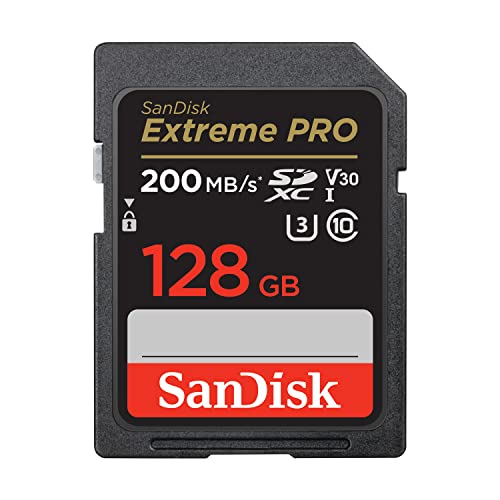
- Features: Up to 200MB/s read speeds with SanDisk QuickFlow Technology; UHS-I core speeds; 4K UHD capable; includes high-speed offload and support for professional workflows.
- Best for: Professional photographers and videographers who require fast offload and reliable 4K recording.
- Why selected: Strong read speeds and robust endurance suit high-frame-rate capture; compatible with PRO-READER options for maximum speed when paired (sold separately).
- Caution: Real-world speeds may vary by host device and conditions; QuickFlow may be limited to certain capacities.
SANDISK 256GB Extreme PRO SDXC UHS-I Memory Card

- Features: Up to 200MB/s read and up to 140MB/s write with SanDisk QuickFlow (limited to certain capacities); designed for high-speed workflows; supports 4K video; pairs with PRO-READER for maximum performance.
- Best for: Pro-level shoots requiring large capacity and fast write speeds for sustained 4K recording.
- Why selected: Higher capacity helps with long sessions or faster continuous shooting without swapping cards.
- Caution: Some claimed speeds require compatible devices and may not be reached on all systems; actual speeds depend on usage and host device.
SANDISK 64GB Ultra SDXC UHS-I Memory Card

- Features: 100MB/s read speeds; C10, U1 rating; Full HD capable; well-suited for compact and mid-range cameras.
- Best for: Everyday photography and casual videography with budget-conscious needs.
- Why selected: Great value while delivering reliable performance for standard HD tasks.
- Caution: Lower maximum write speeds may limit high-burst or 4K recording with some cameras.
2 Pack Memory Card 64GB with Adapter (TF162 Red Gold 64GB)

- Features: Dual pack; capacities include 64GB with compatibility across devices; data transfer up to 80Mb/s; broad device compatibility includes phones, cameras, drones, and more.
- Best for: Budget-conscious users needing spare cards and adapters for versatility across devices.
- Why selected: Value-packed option with cross-device use; good for travelers and multi-device setups.
- Caution: Transfer speeds may vary; reliability depends on each device’s reader compatibility.
INDMEM SD Card 2GB Class 4

- Features: Class 4 standard SD flash; SLC read/write technology; compatible with older devices and legacy equipment; assembled in Japan.
- Best for: Older cameras, GPS devices, or non-demanding media players needing basic storage.
- Why selected: A budget pick for legacy systems where newer fast cards aren’t required.
- Caution: Not suitable for modern high-speed photography or 4K video; limited capacity.
SanDisk 128GB Ultra SDXC UHS-I Memory Card
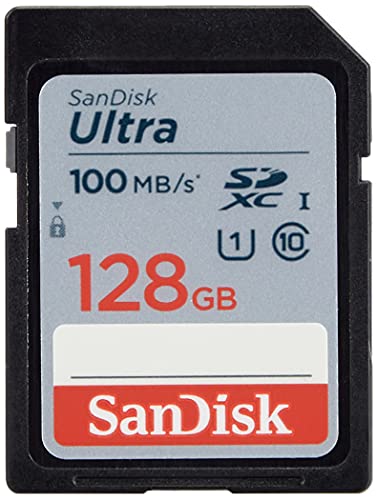
- Features: Up to 100MB/s write speeds; Full HD support; capacity range from 32GB to 256GB; suitable for various compact to mid-range cameras.
- Best for: Everyday photographers seeking a balanced mix of speed and capacity for stills and Full HD video.
- Why selected: Consistent, widely compatible option for general use.
- Caution: Moderate performance compared with higher-speed PRO cards; may not support high-end 4K bursts on all cameras.
Buying Guide
What to look for in a memory card for cameras
- Capacity: Choose based on shooting style. More 4K video or RAW bursts means larger capacity (128–256 GB or more).
- Speed class: UHS-I Class 3 or higher for 4K and continuous shooting. Look at read/write speeds beyond marketing numbers for real-world performance.
- Reliability: Consider cards with durable construction and proven endurance for long sessions or travel.
- Device compatibility: Ensure your camera supports the card’s speed class and capacity; some cameras limit writing speeds on older firmware.
- Format and compatibility: SDXC vs SDHC; exFAT vs FAT32 considerations; use adapters if needed, but prefer native card readers when possible.
Single-card vs multi-card setups
- Single high-capacity card: Simple, fewer swaps, ideal for fewer devices or long events.
- Multi-card kit: Redundant workflow and swap safety; useful for travel or multi-device shoots where backup is essential.
Practical tips for better performance
- Format cards in-camera before use to reduce file fragmentation and ensure compatibility.
- Avoid filling cards to the brim; leave headroom for file writing and buffering during bursts or 4K recording.
- Keep your card reader and camera firmware up to date to maximize transfer speeds.
FAQ
- What card is best for 4K video?
– High-speed UHS-I or UHS-II PRO cards (e.g., 128GB Extreme Pro family) are typically best for 4K due to faster write speeds. - Do I need more than 64GB for travel photography?
– For extensive trips with RAW photos or 4K video, 128GB or more provides comfortable headroom without frequent swaps. - Is Ultra enough for action photography?
– Ultra-level cards are suitable for many photographers, but high-burst or professional action work often benefits from faster PRO lines. - Should I buy dual cards?
– Dual cards are useful for backups and longer events, reducing risk of data loss due to card failure. - Can I use these cards in a drone or action camera?
– Many are compatible, but confirm device-specific speed and capacity requirements for best results. - How do speeds affect real-world performance?
– Raw read/write speeds depend on host device, file type, and system overhead; marketing figures are peak values.