Best Memory Cards for DSLR Cameras: Fast, Reliable Storage
Answering the common question: which memory card should you choose for a DSLR to ensure fast transfers and dependable storage? This guide highlights five strong options, explaining who each card is best for and why it stands out for DSLR use. It covers high-speed performance for 4K, reliable Full HD shoots, and ample capacity for long sessions. The top picks target enthusiasts, professionals, and hobbyists who need solid offload speeds, durable design, and broad compatibility.
Selection highlights at a glance:
- Sandisk Extreme Pro 128GB: Best for ultra-fast offloads and 4K shooting in demanding setups.
- Sandisk Extreme Pro 256GB: Best balance of capacity and speed for longer shoots and Pro workflows.
- SanDisk 128GB Ultra SDXC: Best value option for everyday photography and full HD video.
- Transcend 128GB SDXC: Best for versatile devices beyond DSLRs and reliable Full HD performance.
- Gigastone 128GB Pro: Best for 4K capture on a budget while maintaining solid transfer speeds.
| Product | Capacity | Key Benefit |
|---|---|---|
| Sandisk Extreme Pro 128GB | 128GB | High offload speeds for 4K and rapid card-to-device transfers |
| Sandisk Extreme Pro 256GB | 256GB | More space with top-tier read/write performance |
| SanDisk Ultra 32GB | 32GB | Affordable everyday option for casual shooting |
| Transcend SDC300S 128GB | 128GB | Wide compatibility beyond DSLRs |
| SanDisk Ultra 128GB | 128GB | Reliable Full HD storage with broad device support |
Sandisk Extreme Pro 128GB SDXC: Ultra-Fast 4K Ready
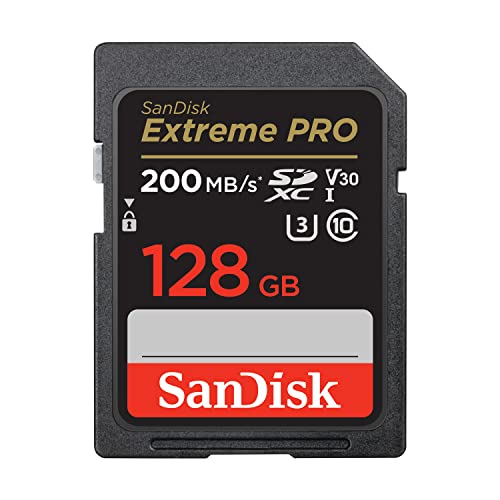
Best for: Professional photographers shooting 4K and high-bitrate video. This card offers offload speeds up to 200MB/s with SanDisk QuickFlow Technology and a 90MB/s write speed, supporting faster transfers and quicker backs-ups. It’s ideal when you need to minimize downtime between shoots and rapidly clear cards for continuous shooting.
Why chosen: The 128GB capacity plus high sequential read/write speeds supports demanding workflows. Note that actual speeds vary by host device and conditions, and QuickFlow is capacity-dependent.
Caution: Real-world performance depends on the reader and camera interface; not all devices reach the peak speeds advertised. Consider pairing with a high-performance reader for best results.
Sandisk Extreme Pro 256GB SDXC: More Space, Solid Speed

Best for: Professionals and enthusiasts who need larger capacity for long shoots, multiple angles, and 4K content. Features include a 200MB/s read speed and 140MB/s write speed, with QuickFlow Technology available on select capacities to maximize throughput when paired with compatible devices.
Why chosen: The 256GB capacity reduces swapping and keeps you shooting longer. Limitations include capacity availability of QuickFlow features depending on the card SKU and host compatibility.
Caution: Some speeds are contingent on device support and may not be reached on older readers. A high-end reader is recommended for best results.
SanDisk Ultra 32GB SDHC: Everyday Value

Best for: Beginners and casual shooters who need reliable storage for standard photography and Full HD video without a large upfront investment. This card offers dependable performance for daily use and compatible devices requiring smaller capacities.
Why chosen: It provides straightforward performance with recognizable reliability from Sandisk. Caution: Storage capacity is modest, so plan for more frequent card swaps on larger shoots.
Transcend SDC300S 128GB: Versatile and Reliable

Best for: DSLR users who want broad device compatibility beyond cameras, including drones and tablets. This card delivers up to 100MB/s read and 25MB/s write speeds, meeting the needs of Full HD recording and reliable photo capture.
Why chosen: Its wide compatibility makes it a flexible choice for multi-device setups. Caution: Not ideal for heavy 4K workflows due to lower sustained write speeds compared with top-tier Pro cards.
SanDisk Ultra 128GB: Balanced and Reliable
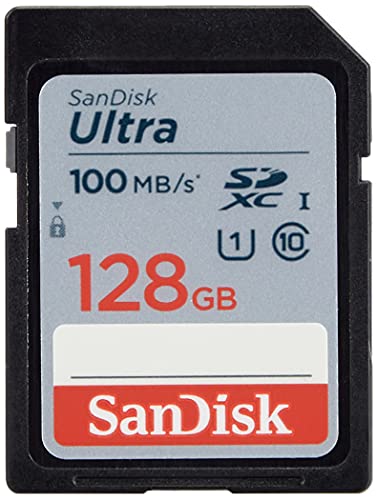
Best for: Everyday shooters who want dependable Full HD storage with broad device compatibility. This card handles standard photo bursts and video capture without complicated setup.
Why chosen: The 128GB capacity fits most daily shooting needs and scales well with typical DSLR workflows. Caution: Not designed for the heaviest 4K workloads or extreme burst shooting.
Buying Guide: Key Considerations For DSLR Memory Cards
- Capacity vs. workflow: Choose capacity based on shoot length and file sizes. 128GB and 256GB are common sweet spots for DSLR users, while 32GB may suffice for casual use.
- Speed class and performance: Prioritize UHS Speed Class (U3) and Video Speed Class (V30) for 4K or high-bitrate video. Read speeds matter for fast offloads; write speeds affect real-time recording and buffering.
- Compatibility: Ensure your DSLR’s card reader and firmware support the card type (SDXC/SDHC) and speeds. Some cameras benefit from using high-performance readers for maximum throughput.
- Durability and reliability: Look for cards with solid build quality and reputation for reliability under frequent swapping and field use. Check for case compatibility if traveling often.
- Cost efficiency: For non-4K work, Ultra or standard Pro cards may provide the best value. Reserve high-end Pro cards for professional 4K workflows to maximize return on investment.
Frequently Asked Questions
- What is the best memory card type for a DSLR?
SDXC/SDHC cards are standard for most DSLRs. Choose a card with higher UHS speed and V-Class ratings if shooting 4K or high-burst photography. - Do I need 4K-specific memory cards for my DSLR?
Yes, if you record 4K video, prefer U3 and V30 or higher to ensure stable write performance. - How much capacity should I buy for wildlife or event photography?
Consider 128GB or 256GB for extended sessions to minimize card swaps. High-bitrate video may benefit from larger capacities. - Can I mix brands on a shoot?
Yes, but use reliable brands and maintain identical performance expectations on all cards to avoid speed mismatches. - Will a faster card improve picture quality?
Speed improves transfer times and reduces buffering, not the image quality itself. - What is SanDisk QuickFlow Technology?
It’s a technology designed to boost read/write speeds on compatible capacities, enabling faster offloads and workflows.