Best Medium Format Pinhole Cameras for Film Photography
In analog photography, medium format pinhole cameras deliver a distinctive look characterized by gentle falloff, soft edges, and a cinematic feel. This guide highlights five Amazon options that embody the spirit of pinhole and medium format—whether through true 120-film bodies or retro-styled systems that embrace panoramic formats. Each choice balances build quality, ease of use, and creative potential for enthusiasts and collectors alike.
A quick product table follows to help compare core features at a glance. The selections prioritize medium format film devices and pinhole-inspired designs, making it easier to pick a camera that fits your photographic style.
| Product | Brand | Key Feature |
|---|---|---|
| Holga 120 Pan Panoramic | HOLGA | 6×12 cm panoramic images, 90mm lens |
| Lomography Diana F+ Camera | Lomography | Dreamy 120 film photos; color gels and flash |
| Holga 120N | HOLGA | 120 film; classic lo-fi look with masks |
| Ilford Pinhole Camera | Ilford | 4×5 film; etched 0.35mm pinhole |
| Jollylook Pinhole Kit | Jollylook | DIY wooden kit; Instax Square compatibility |
Holga 120 Panoramic Medium Format Camera
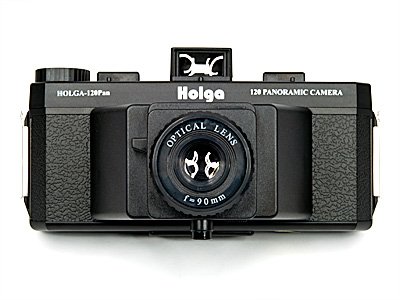
The Holga 120 Pan captures dramatic 6×12 cm panoramic frames with a 90mm optical lens. A panoramic viewfinder helps with composition, and the bubble level aids horizon alignment. Designed for 120 film, this camera emphasizes a simple, lo-fi aesthetic ideal for landscapes, cityscapes, and experimental portraits. Its compact, plastic body keeps the camera light and portable, while dual hot shoes add flexibility for lighting on location.
Expect characteristic soft focus, light leaks, and pronounced vignetting as creative features rather than flaws. The 6×12 format expands the field of view for expansive scenes, making it a compelling option for travelers and photographers who want bold, cinematic imagery without complex controls.
Lomography Diana F+ Camera & Flash

The Lomography Diana F+ is a beloved cult favorite that delivers dreamy, 120 film photos. It combines a plastic lens with a built-in flash and color gel filters, offering creative control over mood and color tone. The “jack” flash adds retro flair, while the camera’s plastic optics produce soft focus, vignetting, and unique character that’s highly valued by analog enthusiasts.
Designed for accessibility and playfulness, this camera invites experimentation rather than precise reproduction. It’s well suited for portraiture with a nostalgic feeling, atmospheric street photography, and projects that value expressive texture over sharp detail. Accessories expand the range of creative possibilities without complicating use.
Holga 120N Plastic Medium Format Camera

The Holga 120N is a classic plastic medium format option designed for simplicity and charm. It uses 120 film and offers multiple masking options to shoot in different frame formats, including 6×6 and 6×4.5, with a standard shutter speed around 1/100 s and a bulb setting for longer exposures. The basic controls yield a distinctive look with soft contrast and robust vignetting that many photographers associate with vintage film stock.
Its lightweight build and straightforward operation make it appealing for travel and street photography. The ability to swap masks expands creative potential, allowing experiments with frame composition and aspect ratios without additional gear. The Holga’s character often enhances narrative storytelling in a single frame.
Ilford Pinhole Camera

The Ilford Pinhole Camera is a larger-format pinhole option, designed for 4×5 film or photographic paper. It uses an etched 0.35 mm pinhole and a focal length of approximately 87 mm, producing extremely wide-angle images with expansive depth of field and a soft, ethereal quality. This approach emphasizes deliberation and patience, ideal for landscape compositions and long-exposure studies.
Compared with true 120-film devices, its format demands more planning and larger physical prints. The camera is well-suited for photographers exploring the pinhole aesthetic at a bigger scale, where tonal range and perspective play pivotal roles in storytelling.
Jollylook Pinhole Square Kit

The Jollylook Pinhole Square Instant Camera Kit is a wooden, self-assembly option that creates pinhole images on Instax Square film. This kit blends hands-on building with instant-film results, making it a compelling choice for students, hobbyists, and STEM learners. It is designed to be glue-free and emphasizes sustainable wood construction, with a retro aesthetic that appeals to makers and photographers curious about pinhole optics.
As an Instax-based solution, it trades some control for immediacy and accessibility. It’s especially appealing for educational environments or display-worthy projects where the process of assembly and the tactile feel of analog construction add educational value and creative engagement.
Buying Guide
Film format and availability
Medium format cameras primarily use 120 film, which yields larger negatives than 35mm and provides more tonal latitude. Some options in this guide offer Instax or 4×5 formats, which expand creative possibilities but change workflow, developing, and print size. When choosing, consider whether you primarily want the classic medium format look, or if you’re exploring pinhole aesthetics with larger formats or instant-film experiments.
Pinhole versus standard lenses
Pinhole designs prioritize soft focus, wide depth of field, and a distinctive softness at all apertures. They’re ideal for dreamy landscapes and narrative portraits. Cameras with standard plastic lenses—like the Holga 120 Pan and Diana F+—offer more contrast, sharper edges, and a wider palette of creative effects when paired with accessories. Think about whether you want the unpredictable charm of a pinhole or the versatility of a more conventional lens.
Panoramic and framing capabilities
Several options in this list emphasize wide or panoramic framing, such as the Holga 120 Pan with its 6×12 cm format. Panoramic formats create expansive scenes and dramatic horizons but may require different composition strategies. If you enjoy landscape storytelling or architectural photography, panoramic formats can be particularly rewarding.
Build quality and materials
Build materials range from sturdy plastics to wooden DIY kits. Plastic bodies are lightweight and affordable, often forgiving to beginners, while wooden or higher-grade kits offer a tactile, durable experience and a sense of craftsmanship. Consider how you’ll transport and store the camera, as well as how much handling you’ll give it in field conditions.
Accessories and expandability
Accessories like flashes, color gels, and viewfinders can dramatically alter the look you achieve. The Diana F+ supports a flash and color gels for mood shifts, while other models rely on basic exposure controls. If you plan to shoot in low light or want more creative control over lighting, factor accessory compatibility into your decision.
Learning curve and budget considerations
Medium format pinhole photography blends experimentation with technique. Beginners should expect a learning curve as you master film loading, exposure, and development tones. Budget-conscious buyers may favor entry-level Holga models for their forgiving nature, while enthusiasts may invest in kits or older Lomography gear for extended creative latitude.