Best Macro Lens Solutions for Food Photography: Clean, Close-Up Detail on Any Smartphone
Food photography benefits from sharp macro detail, vibrant color, and controlled lighting. The following macro lens kits are among the most relevant options for capturing the textures of ingredients, the glaze on pastries, and the micro-details that make dishes pop on screen. This guide compares five popular kits, highlighting compatibility, magnification, and ease of use to help you choose a reliable setup for mouth-watering close-ups.
| Product | Brand |
|---|---|
| Xenvo Pro Lens Kit for iPhone and Android | Xenvo |
| Phone Camera Lens Kit Upgraded Version (BNIFI) | BNIFI |
| MIAO LAB 100 Ultra Macro Lens | MIAO LAB |
| FotoZ HD Snap-on Macro Lens | FotoZ tech |
| Canon RF35mm F1.8 Macro STM | Canon |
Xenvo Pro Lens Kit: Versatile Macro and Wide Angle

The Xenvo Pro Lens Kit combines a 0.45x wide-angle lens with a 15x macro lens, designed for mobile photography. It includes a TruView wide lens and Clarus macro element, with a robust clip and LED light for macro detail. The kit is built from aircraft-grade aluminum and premium optical glass to minimize distortions and flare. It aims to deliver edge-to-edge clarity, making it suitable for close-up shots of textures, toppings, and intricate garnish details in food photography. The GlowClip LED light helps illuminate shadows on glossy surfaces or angled subject matter without added heat distortion.
In practice, the 15x macro lens allows you to capture minute textures—sugar crystals, sea salt grains, sesame seeds, and the microstructure of chocolate. The 0.45x wide angle is helpful when you want to include context such as a cutting board, plates, or a cluster of ingredients in a single frame. The kit’s ease of use, combined with the clip-on design, makes it a popular choice for food bloggers and makers who shoot with smartphones rather than dedicated cameras.
Its strengths lie in portability and build quality, with coated optics to reduce glare. For best results in macro food work, stabilize the phone, position the lens approximately a half-inch from the subject, and ensure even lighting to avoid hotspots on glossy sauces or oils. While not a substitute for a professional macro rig, this kit provides a strong balance of magnification, color fidelity, and convenience for daily food photography tasks.
BNIFI 4-in-1 Phone Camera Lens Kit

The BNIFI kit offers a 28x telephoto, 198° fisheye, 20x macro, and 0.6x wide-angle, providing a broad creative toolset for food photography. The 28x telephoto enables distant subjects to be captured clearly, which can be useful for photographing plated dishes from a distance that preserves ambiance and styling. The 198° fisheye creates dramatic perspective for avant-garde presentations of ingredients or clusters of dishes. The 20x macro is designed for close texture work, like seeds, spices, and tiny garnishes.
Clever design and a practical clip system make this kit accessible to hobbyists who want to experiment with different viewpoints. The combination of wide, macro, and telephoto options lets you document dishes from multiple distances in a single shoot, minimizing the need to recompose with extra gear. For best results, use a stable surface or a tripod for macro shots, and avoid moving subjects to maintain sharp micro-detail. The kit’s plastic-to-metal balance is adequate for casual uses but may require careful handling in rugged environments.
Overall, BNIFI stands out for its value proposition: four lenses addressing a wide range of shooting scenarios. It suits food photographers who want to capture texture and context, from the close-up sparkle of sugar crystals to the dramatic arch of a plated dessert. The lens set is versatile enough to double as a creative tool for product photography beyond food, offering a flexible entry point into macro exploration.
MIAO LAB 100 Ultra Macro Lens with Filters

The MIAO LAB macro kit emphasizes a high-quality optical experience with an aluminum housing and multiple lenses within a single macro system. The 10x magnification gives close-ups that reveal fine textures in food—sugar crystals, pepper granules, and the inner structure of seeds. The kit also includes a 52mm CPL and star filter to manage reflections and enhance mood in product photography, especially with glossy sauces and glassware. The dual-coating process minimizes flare, supporting accurate color rendition in challenging lighting conditions.
With a focus on color fidelity and edge-to-edge sharpness, this macro setup helps food photographers depict the tactile qualities of ingredients. The 10x magnification sits comfortably between macro normals and high-magnification systems, making it suitable for capturing micro-details without requiring extreme working distances. The included filters add flexibility when shooting under variable kitchen lighting, where mixed color temperatures can affect color accuracy in pepper, citrus zest, and herb textures.
In practice, the MIAO LAB kit can be an excellent choice for those who regularly shoot close-ups of floral garnishes, micro-green textures, or jewelry-like culinary details. Its build quality and multi-lens approach provide consistent results when paired with controlled lighting and a steady hand. This makes it a solid option for brand photography and social media content that relies on consistent macro performance.
FotoZ HD Snap-on Macro Lens with Universal Adapters
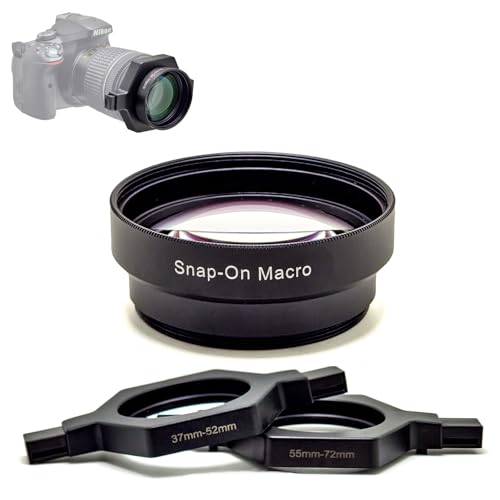
This FotoZ macro lens focuses on compatibility and adaptability, offering snap-on adapters for a wide range of filter sizes (37-72mm) and a universal mount. The macro attachment attaches to most cameras and can extend macro capabilities when used with telephoto settings. Its HD optical glass promises sharpness and reduced distortion, which is essential for macro food photography where minor aberrations can ruin texture fidelity. The kit is designed to be a straightforward upgrade to standard lenses, enabling closer focusing distances for intricate details such as sugar crystals or the texture of dough.
The strength of this option is its flexibility across different camera bodies, including mirrorless and DSLR setups when used with compatible adapters. For smartphone photography, it can be used with additional adapter options to achieve macro work. The combination of macro coverage and a robust universal adapter makes this a practical choice for photographers who shoot both food and general product close-ups. When using macro photography on reflective surfaces, careful lighting and a small aperture help minimize glare while preserving micro-detail.
Canon RF35mm F1.8 Macro STM

The Canon RF35mm F1.8 Macro STM is a dedicated macro lens for Canon’s mirrorless system, offering 0.5x magnification and a short minimum focusing distance of 0.56 ft. This native lens delivers excellent optical performance with minimal distortion, high contrast, and accurate color rendition—key for food photography where texture and hue must be true to life. A control ring facilitates quick adjustments, which is advantageous during on-set changes in lighting or styling. The compact design supports hand-held macro work or tripod-mounted shoots for stable, close-up work of ingredients and plated details.
For food photographers who use Canon EOS R-series or similar bodies, this lens provides a high-quality macro option without the potential perils of adapting third-party glass. It is especially suitable for close-ups of delicate textures, such as micro-herbs, zest, and surface patterns on sauces. The fast aperture allows for shallow depth of field that isolates subject portions, while a longer working distance can help manage reflections on glossy items like fruit syrups or oil-coated ingredients. Overall, this is a reliable, high-performance macro lens for dedicated Canon shooters.
Buying Guide: Key Considerations for Choosing a Food Macro Lens
- Magnification vs. working distance: Higher magnification (e.g., 10x-20x) reveals finer textures but requires shorter distances and steadier lighting. Balance magnification with how much of the plate or scene you want to include.
- Compatibility: Confirm compatibility with your device (phone model or camera brand). Clip-on lenses should fit securely, and adapters may be needed for certain camera systems.
- Optical quality: Look for multi-element lens design, coatings to reduce flare, and a sturdy build to resist vignetting and color shift, especially in kitchen lighting.
- Lighting options: Built-in LEDs or external illumination helps control shadows and highlights on glossy surfaces. Consider whether a lighting accessory is included or if you will rely on off-camera lights.
- Portability vs. stability: Mobile kits excel for on-the-go food shoots, while traditional macro lenses for cameras offer greater precision. A tripod or stable surface is often essential for macro work to minimize blur.
- Filter and color management: CPL and star filters can enhance texture and reduce reflections on drizzled sauces or glassware, improving color accuracy and depth of field in close-ups.
- Presets and workflow: Consider whether the kit integrates well with your editing workflow, including RAW capture options and post-processing flexibility for color grading and texture enhancement.
In summary, the best macro solution for food photography depends on your shooting style, device ecosystem, and whether you prioritize portability or maximum close-up detail. For quick, versatile setups, clip-on kits with macro and wide-angle options offer immediate results. For Canon shooters, a native macro lens can provide optimal sharpness and consistency with minimal distortion. Always pair macro lenses with stable lighting and careful composition to capture the texture, color, and appeal of your culinary subjects.