Best Lightweight Cameras and Gear for Hiking
Finding gear that stays light on the trail while delivering sharp photos can be a challenge. This guide spotlights five dependable options—from compact, rugged cameras to lightweight carrying gear—that help hikers photograph landscapes, wildlife, and memories without overloading their packs.
| Product | Brand | Type | Notable Feature |
|---|---|---|---|
| TARION PBL Large Camera Backpack | TARION | Backpack | Side access and 15.6″ laptop compartment |
| TARION HX-L Large Camera Backpack | TARION | Backpack | 3-way opening; fits two cameras + seven lenses |
| ULANZI TB12 61-Inch Monopod | ULANZI | Monopod | 61″ reach; lightweight travel companion |
| Amazon Basics 50-Inch Tripod | Amazon Basics | Tripod | Lightweight, compact travel tripod |
| KODAK PIXPRO WPZ2 Rugged Camera | KODAK | Compact Camera | Waterproof to 15m; rugged and Wi‑Fi capable |
TARION PBL Large Camera Backpack
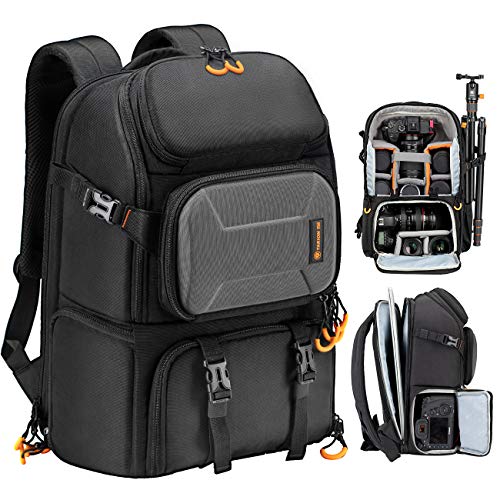
The TARION PBL backpack is designed for professional use on the move. It offers a large capacity that can hold one camera body and five lenses, with fully reconfigurable padded dividers to adapt to different setups. The top and bottom compartments can merge to accommodate larger gear, such as handheld stabilizers, while a dedicated tripod side pocket and side straps simplify on-trail transport. Multiple accessory pockets let you organize SD cards, cables, batteries, and other small items for quick access during fast-paced shoots. Built with high-density nylon, the bag emphasizes abrasion resistance and weather readiness, and it includes a waterproof rain cover for unexpected showers.
On the trail, speed matters. The TARION PBL provides quick side access so you can reach essential gear without removing the pack, and a back sleeve keeps a 15.6-inch laptop secure for on-site editing or live previews. Comfort considerations—padded straps, a supportive back panel, and durable hardware—help reduce fatigue on longer hikes. For hikers who carry multiple lenses and a full set of cameras, this backpack balances capacity with practical accessibility, making it a strong option for serious outdoor shooters.
TARION HX-L Large Camera Backpack

The TARION HX-L is built for hikers who need substantial gear capacity with flexible access. Its three-way opening design enables retrieval from the top, front, or side without fully unloading. The main compartment is large enough for two cameras and seven lenses, while a back compartment accommodates laptops up to 16 inches. The design emphasizes durability with reinforced seams and robust zippers, and adjustable dividers keep gear organized—ideal for photographers who diversify their kit with filters, batteries, and compact accessories. A foldable feature aids storage when not in use, helping to keep your pack lean for lighter treks.
Despite its size, the HX-L focuses on balance. The bag offers ergonomic padding and breathable back support for comfort on longer hikes, and a 21-liter–level capacity provides enough room for a full field kit without becoming cumbersome. For photographers who need flexibility with multiple cameras and lenses, this TARION model provides a practical, modular solution that remains trail-friendly.
ULANZI TB12 61-Inch Monopod

The ULANZI TB12 offers a lightweight stabilization option for hikers who want steadier shots without carrying a full tripod. This aluminum monopod extends up to 61 inches and weighs about 0.83 pounds, supporting up to 11.02 pounds. A compact folded length of roughly 16.9 inches makes it easy to stash in a pack or clip to a belt, while the five-section design provides flexible height settings for everything from shadowed ground shots to towering vistas. It’s particularly useful when terrain is uneven or space is tight, allowing you to frame scenes with precision while remaining mobile on the move.
Travel-ready design and quick adjustments are complemented by secure locking mechanisms and a user-friendly quick-release plate. The TB12 shines on long hikes where you may need to switch perspectives quickly or capture action without a bulky setup. When combined with a lightweight mirrorless body, this monopod becomes a practical on-trail stabilizer that minimizes gear overhead.
Amazon Basics 50-Inch Tripod

The Amazon Basics 50-inch Tripod provides a budget-friendly, lightweight base for travelers who still want solid support. It extends to a full 50 inches and offers adjustable height from 16.1 inches to 50 inches via three-section legs with lever-locks. Constructed from lightweight aluminum, it folds compactly and includes a carry bag for easy packing on hiking trips. This tripod pairs well with lightweight mirrorless cameras or small DSLRs, delivering dependable stability for landscapes, long exposures, or timelapse sequences without adding considerable bulk to your kit.
Despite its simplicity, the Amazon Basics tripod covers essential needs: a stable platform, quick-release compatibility, and tilt options to frame scenes precisely. It serves as a versatile option for hikers who want reliable support on trails, beaches, or rocky viewpoints, while keeping overall weight to a minimum. For those prioritizing cost-to-benefit ratio, this model remains a practical choice.
KODAK PIXPRO WPZ2 Rugged Camera

The KODAK PIXPRO WPZ2 is designed for hikers who demand resilience from their imaging gear. This rugged compact camera is waterproof up to 15 meters, shockproof up to 2 meters, and dustproof, making it well suited to wet weather, sandy trails, and rough terrain. It features a 16-megapixel BSI sensor and a 4x optical zoom for versatile framing, along with Full HD 1080p video for action moments. Built-in Wi-Fi enables quick sharing of images from the trail, so you can post updates or transfer captures during breaks. Its compact form fits easily into pockets or small packs for minimalist setups.
With its rugged construction, the WPZ2 minimizes the need for additional protective housings or separate cameras on light hiking trips. Its balance of portability and durability makes it a practical choice for hikers who want simple, dependable performance without carrying a heavy, feature-heavy system. The camera’s all-weather design supports photography across different conditions, from misty mornings to dusty ridges, while keeping setup straightforward and accessible.
Buying Guide
Key considerations for lightweight hiking camera gear
When choosing gear for hiking, balance weight, durability, and versatility. Prioritize items that deliver usable image quality without adding unnecessary bulk. Look for weather resistance, reliable ergonomics, and easy accessibility so you can respond quickly to fleeting moments on the trail. Consider how your kit will be used—landscape shoots, wildlife, timelapse, or action—and select components that align with those needs.
- Weight and portability: Compare the combined weight of your camera body, lenses, and any stabilization gear. Lightweight backpacks and compact tripods help keep total load manageable.
- Durability and weather resistance: Hiking environments demand gear that can withstand rain, dust, and impacts. Water resistance, shock protection, and rugged housings should factor into your choices.
- Storage and expansion: Ensure your bag has configurable dividers and accessible pockets for lenses, batteries, and memory cards. Consider external pockets for quick grabs like filters or a phone.
- Battery life and charging options: On-trail power is scarce. Look for extra batteries, USB charging, and low-power modes to extend shooting sessions.
- Image quality versus size: For trekking, a compact, reliable sensor can deliver excellent results without the weight of larger formats. Consider whether you need 4K/8K capabilities or if 1080p and 16–20 MP stills meet your needs.
- Stabilization options: A monopod or lightweight tripod can dramatically improve sharpness for landscapes and low-light scenes without the burden of a full-size tripod.
- Budget and value: Balance upfront costs with long-term durability and warranty coverage. Sometimes a mid-range setup offers better real-world performance for hiking than the cheapest option.
Backpack versus standalone camera gear
Carrying a dedicated camera backpack simplifies transport and protects gear on rough trails, but adds weight and bulk. A standalone compact camera paired with a lightweight tripod or monopod can reduce overall load while still delivering strong images. For longer trips, prioritize modular options that let you add or remove gear as needed without compromising comfort or balance on your pack.
Weather readiness and protection
Trail conditions vary, so prioritize weather-ready options. A camera with a rain cover or a rugged enclosure reduces the risk of moisture damage. Bags with weather-resistant fabrics and secure closures help keep lenses and bodies safe during sudden downpours or dusty descents.
Practical sizing and pack fit
Backpack fit matters as much as capacity. Look for padded shoulder straps, an ergonomic back panel, and chest or hip belts that distribute weight. A well-fitted pack minimizes fatigue and improves balance on uneven terrain. When possible, test load scenarios with your gear to ensure comfort over a full day of hiking and shooting.
Compare for your hiking style
- If you prioritize capacity and rapid access to gear on rugged trails, the TARION PBL or HX-L backpacks are strong all-around options.
- If you frequently shoot landscapes or wildlife from varied heights, a monopod like the ULANZI TB12 provides stabilization with minimal weight.
- For light travel days with occasional stills, the Amazon Basics tripod offers a simple, economical base without much bulk.
- When you need a compact, weatherproof option, the KODAK PIXPRO WPZ2 covers rain and rough conditions without heavy gear overhead.
Across these picks, the guiding principle is to favor gear that trims weight without sacrificing reliability or image quality. For hikers who mix landscapes, wildlife, and travel shots, a combination of a flexible backpack, a stabilization tool, and a rugged camera can deliver robust results while keeping fatigue at bay on the trail.