Best Lightest Cameras for Quadcopter Drones in 2026
Finding the lightest FPV camera for micro and racing quads can improve flight times and handling. This guide compares compact, low-weight options that balance image clarity with minimal added mass. Each model below is suitable for tiny whoop and micro quadcopter builds, helping maintain agile performance without sacrificing feed quality.
Summary of chosen products
| Product | Brand | Weight (approx.) | Key Feature |
|---|---|---|---|
| WT05 Micro AIO Camera | Wolfwhoop | 3.4g | Ultra-lightweight, dipole transmitter compatible |
| LDARC Micro 199C | LDARC | 1.6g | Ultra-light 1.6g FPV camera |
| STARDRONE FPV Camera | STARDRONE | 2.5g | 2.5g micro form, 1200TVL clarity |
| RunCam Robin 3 | RunCam | 5.3g | Lightweight, wide FOV, robust assembly |
| Readytosky 1200TVL Mini | Readytosky | Lightweight | Compact 22mm x 22mm, 1200TVL |
Wolfwhoop WT05 Micro FPV Camera
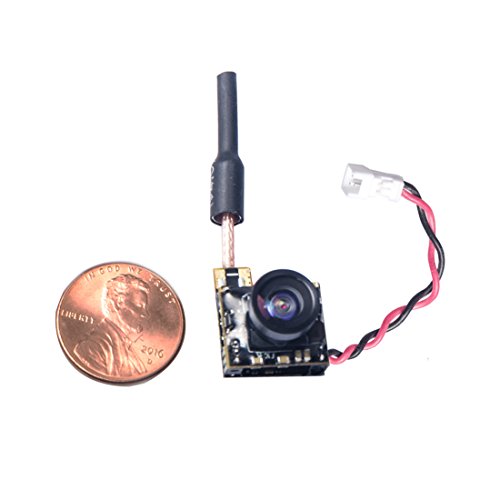
The Wolfwhoop WT05 is engineered for micro drones with an ultra-light 3.4g weight. It operates with a tiny footprint suitable for tight builds and features button control for channel changes rather than mechanical switches, reducing panel complexity. It supports 5.8GHz video transmission with a compact form factor ideal for tight quads and racing drones that require minimal payload. Its single-sensor design focuses on delivering reliable FPV feed without adding bulk to the airframe.
Readytosky 1200TVL FPV Camera
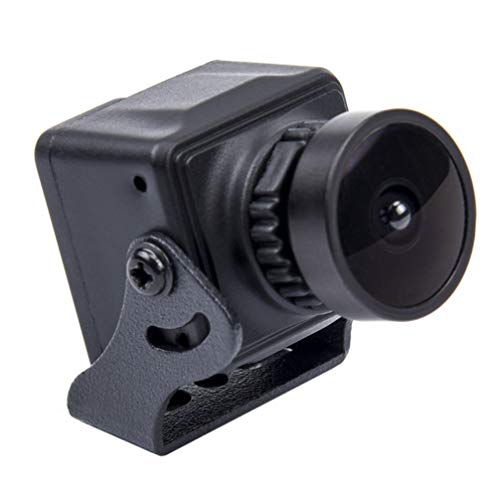
The Readytosky 1200TVL FPV Camera emphasizes compact dimensions—about 22mm x 22mm—making it a practical option for micro quads. The 2.5mm lens and CMOS sensor deliver a balance of wide field-of-view and image clarity, enabling pilots to track obstacles at speed. Its light weight contributes to improved flight times and maneuverability on smaller platforms, while the NTSC compatibility helps ensure smooth video for reliable piloting.
STARDRONE 1200TVL FPV Camera

The STARDRONE FPV camera weighs about 2.5g and uses a 1/3″ CMOS sensor to capture 1200TVL clarity with a 160° wide-angle view. Its ultra-light design preserves flight agility, making it a solid choice for micro quads and racing drones. The high-definition feed helps pilots spot obstacles quickly while maintaining minimal impact on overall drone weight.
RunCam Robin 3 Micro FPV Camera

RunCam Robin 3 offers a compact, robust micro camera option with a 150° FOV and 1200TVL performance. The camera’s 5.3g weight places it slightly higher than the lightest options, but its dependable image quality and reliable TVL rating make it a staple for riders who prioritize clear feed at micro-to-mini scales. The front sandwich design and dust-proofing help maintain performance in variable environments.
Hiturbo 1080P Beginner FPV Camera Alternatives

The Hiturbo line features 1080P cameras with compact builds suitable for entry-level drones. While not among the lightest in absolute weight, these cameras offer rich video feeds and straightforward setup, making them practical for learners who want a balance of video quality and ease of use on a small quad. They support gestures and one-key start features that simplify flying for beginners.
Buying Guide: Choosing The Best Lightest FPV Camera For Your Quad
- Weight vs. performance: In micro and whoop builds, every gram matters. Ultra-light cameras like the LDARC Micro 199C (1.6g) help maximize flight times but ensure the sensor and lens deliver acceptable image quality for FPV racing and freestyle.
- Resolution and sensor: Higher TVL (e.g., 1200TVL) provides crisper images at speed, aiding obstacle detection. CMOS sensors with wide dynamic range reduce motion blur in challenging lighting.
- Lens and field of view: Wider lenses (120°–160°) increase situational awareness but can exaggerate motion; select a field of view that matches your racing style and indoor/outdoor environment.
- Size compatibility: Check camera dimensions (22mm x 22mm is common for micro cams) and mounting holes to ensure compatibility with your frame and vibration isolation setup.
- Power and compatibility: Ensure the camera’s voltage requirements align with your flight controller’s power rail (many FPV cams run on 5V). Component efficiency can extend flight time across multiple batteries.
- Durability and build: For beginners or freestyle pilots, rugged housings and reliable connectors help reduce downtime during practice sessions or events.
- Latency and feed stability: In racing, low latency is essential. Look for cameras with proven performance in live FPV feeds and consistent video transmission paired with your chosen VTX.
- Mounting and integration: Some cameras provide integrated transmitters; others are camera-only. Decide whether you want an all-in-one AIO setup or a modular approach to swaps and upgrades.
- Environment adaptability: If you fly in bright sun or low-light conditions, select a camera with good exposure handling and a sensor that remains usable across light changes.
- Maintenance and support: Consider cameras from brands with accessible spare parts and reliable customer support to minimize downtime during repairs or upgrades.
For pilots who focus on micro quad efficiency and extended flight times, the lightest cameras—like the LDARC Micro 199C and STARDRONE micro options—offer meaningful payload reductions. When image clarity is critical, models with 1200TVL or higher in compact form factors provide a dependable FPV feed without significantly increasing weight. Always verify compatibility with your VTX and flight controller before purchasing.