Choosing the right lens can transform how you shoot, whether you’re using a DSLR, mirrorless camera, or a smartphone. This guide highlights five top lens-related picks that balance quality, versatility, and practicality for American photographers. From classic DSLR kits to portable phone lenses and protective lens gear, these selections prioritize reliable performance and real‑world usefulness in everyday shooting.
Use the quick reference table below to compare the five chosen products at a glance, then dive into detailed sections to learn what makes each option stand out for different shooting styles and devices.
| Product | Brand | Key Focus |
|---|---|---|
| Canon T7 DSLR Kit (2‑Lens) | Canon | Two lenses, Dual Pixel AF, 24.1 MP |
| Xenvo Pro Lens Kit | Xenvo | Smartphone wide and macro lenses, LED light |
| Canon EF‑S 18‑55mm Lens | Canon | Standard zoom, versatile for APS‑C |
| KEYWING 3‑in‑1 Phone Lens Set | KEYWING | Macro, wide, fisheye for mobile |
| ESR Camera Lens Protector Kit | ESR | Lens protection for iPhone models |
Canon T7 DSLR 2-Lens Kit

The Canon EOS Rebel T7 kit combines a 24.1‑megapixel APS‑C sensor with Dual Pixel CMOS AF and eye detection AF to deliver sharp images and confident focusing in a broad range of lighting. Included lenses, an 18‑55mm standard zoom and an EF 75‑300mm telephoto, cover everyday photography from landscapes to distant subjects. Built‑in Wi‑Fi and NFC simplify sharing, while a 9‑point AF system and AI Servo AF support tracking moving subjects. This setup is well suited for beginners building a flexible, all‑around kit.
In use, the T7 kit offers approachable handling and solid image quality for its class. The lenses pair well to create a versatile focal range, and the camera’s user experience remains friendly for new shooters learning exposure, composition, and autofocus. While not the latest model, its overall value and lens options make it a practical long‑term starter for those expanding from compact cameras.
Xenvo Pro Lens Kit For Phones

The Xenvo Pro Lens Kit expands mobile photography with a 0.45x TruView wide‑angle lens, a 15x Clarus macro lens, a GlowClip LED light, and a compact travel case. With an aircraft‑grade aluminum build and high‑quality optical glass, the lenses minimize ghosting and ensure edge‑to‑edge sharpness. The 0.45x wide angle adds substantial scene coverage, making landscapes, architecture, and group shots more dynamic without changing phones or bags. The macro lens unlocks close‑up detail that isn’t possible with a standard phone camera.
Designed for everyday portability, this kit offers quick, tool‑free attachment and reliable performance on most smartphones. While it doesn’t replace a dedicated camera lens, it provides a noticeable upgrade for casual shooters who want more control over perspective and macro detail while traveling or on errands. It’s especially convenient for social media enthusiasts who value speed and simplicity.
Canon EF-S 18-55mm Lens

The Canon EF‑S 18‑55mm f/3.5‑5.6 III is a standard kit lens designed for Canon’s APS‑C cameras. It covers everyday framing from wide to short tele and includes an aspheric element to reduce distortion. Autofocus is generally swift on compatible bodies, and the lens remains lightweight and compact—ideal for beginners who want an all‑round option without adding bulk. The variable aperture performs best in bright light, with performance tapering a bit in lower light as you zoom.
Although not a premium prime, this lens provides essential versatility for learning composition, testing new styles, and traveling with a minimal setup. Paired with a capable body, it can deliver satisfying results for landscapes, street photography, and family portraits, offering a reliable baseline while you explore more specialized lenses later.
KEYWING 3-in-1 Phone Lens Set
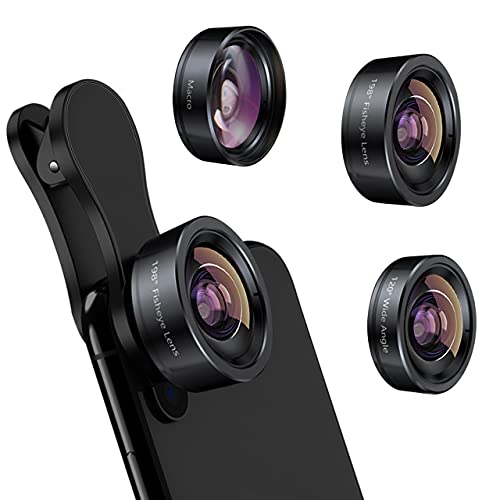
This 3‑in‑1 lens kit adds macro, wide, and fisheye options to any smartphone. The 20x macro lens reveals minute details from about 1.18 to 3.54 inches away, while the 120° wide lens expands the frame for more context, and the 198° fisheye offers a dramatic, creative perspective. Constructed with a durable aluminum shell, the lenses mount via a clip that attaches without scratching the device. The kit’s versatility shines for social photography, travel snapshots, and experimental shots on the go.
The clip‑on design supports quick swaps and compatibility across many iPhone and Android devices. It’s a cost‑effective way to broaden your phone’s photographic capabilities without investing in a dedicated camera system. For hobbyists who want more creative options with minimal gear, this kit delivers noticeable results at a friendly price.
ESR Camera Lens Protector Kit

ESR’s camera lens protectors are designed to shield iPhone lenses from scratches and bumps across multiple models, from the iPhone 14 Pro to the 16 Pro variants. The protective glass is ultra‑tough, aiming to resist impact while preserving photo quality. The individual protectors keep the flash unobstructed, helping maintain color accuracy and exposure. This kit is practical for travelers, parents, and anyone guarding delicate lenses against everyday hazards.
Protection is modular, allowing you to swap protectors as devices evolve. The protectors are thin to minimize distortion and maintain optical clarity. Proper alignment and careful installation are essential to avoid edge gaps and ensure full transparency, but when installed correctly, they preserve the camera’s original look and feel while adding a layer of defense.
Buying Guide
Key purchase considerations help you choose based on how you shoot and what you already own. Start by deciding your platform: a DSLR/mirrorless kit with versatile zooms or a compact smartphone setup with attachable lenses. Your decision will influence weight, cost, and long‑term upgrading paths.
- Compatibility and system: For DSLR or mirrorless, prioritize lenses designed for your camera’s sensor and mount (for example, Canon EF‑S zooms). For mobile, consider clip‑on lenses with reliable mounting and lighting options.
- Focal range and versatility: Standard zooms (like 18‑55mm) cover most everyday scenes, while telephotos (75‑300mm) extend reach for distant subjects. If you shoot landscapes or architecture, wide or macro additions can broaden your toolkit.
- Aperture and low‑light performance: Lenses with larger maximum apertures (for example, f/2.8 or faster) perform better in low light and provide shallower depth of field. Kit lenses with f/3.5‑f/5.6 are adequate for daylight but slower in dim conditions.
- Build quality and portability: If you travel often, lighter, compact lenses and smartphone kits win on convenience. Premium builds add resilience but may come with higher costs.
- Protection and care: Protecting glass and sensors matters in daily use. Lens protectors and cleaning kits can extend the life of lenses and maintain image quality.
- Budget and intended use: Beginners benefit from versatile 2‑lens kits; more experienced shooters may prefer a fast prime or specialty lenses for creative effects. Smartphone lens kits are ideal for quick upgrades without extra bags or gear.
- Maintenance and care: Regular cleaning and safe storage help preserve performance. For standalone lenses, carry a microfiber cloth and a soft brush; for phones, keep protectors clean to avoid scratches on glass surfaces.
In summary, DSLR or mirrorless paths reward flexibility with interchangeable lenses, while mobile setups reward portability and ease of use. Consider your typical shooting environments, whether you prioritize reach, close‑up detail, or protective reliability, and choose a combo that fits your routine without overcomplicating your setup. The five picks above illustrate solid options across both worlds, helping you find a lens approach that aligns with your photography goals.